
Nevado Tres Cruces
High Andean volcanic massif on the Argentina–Chile border, notable for its multiple summits including Tres Cruces Sur (6,748 m) and its history of mountaineering and scientific interest.
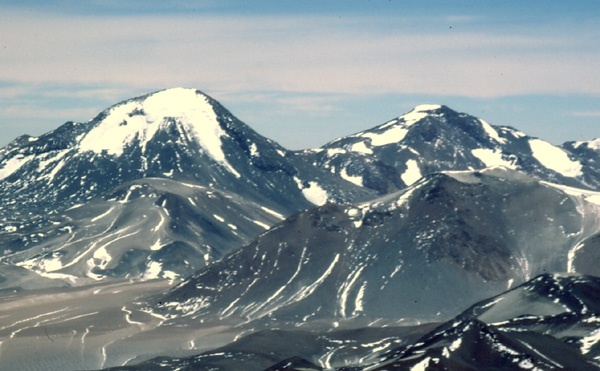
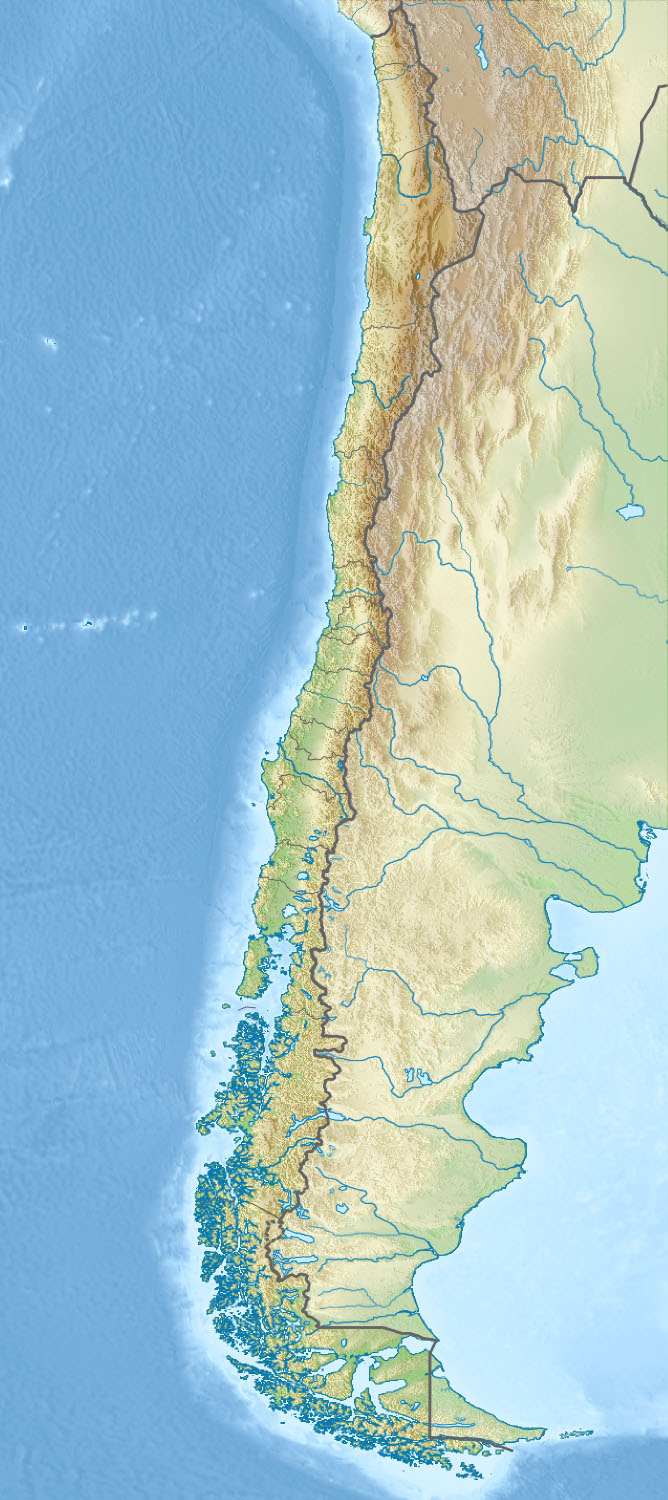
Nevado Tres Cruces is a high-altitude massif in the central Andes that straddles the border between Argentina and Chile. The name refers to a multi-summit volcanic complex and is frequently discussed in geographical and mountaineering literature as a prominent feature of the Andean cordillera. It lies within the arid, high-elevation corridor of the Central Volcanic Zone and is visible from broad areas of the surrounding plateaus and salt flats. For mapping and regional context see massif overview and the wider Andes range.
Image gallery
6 Images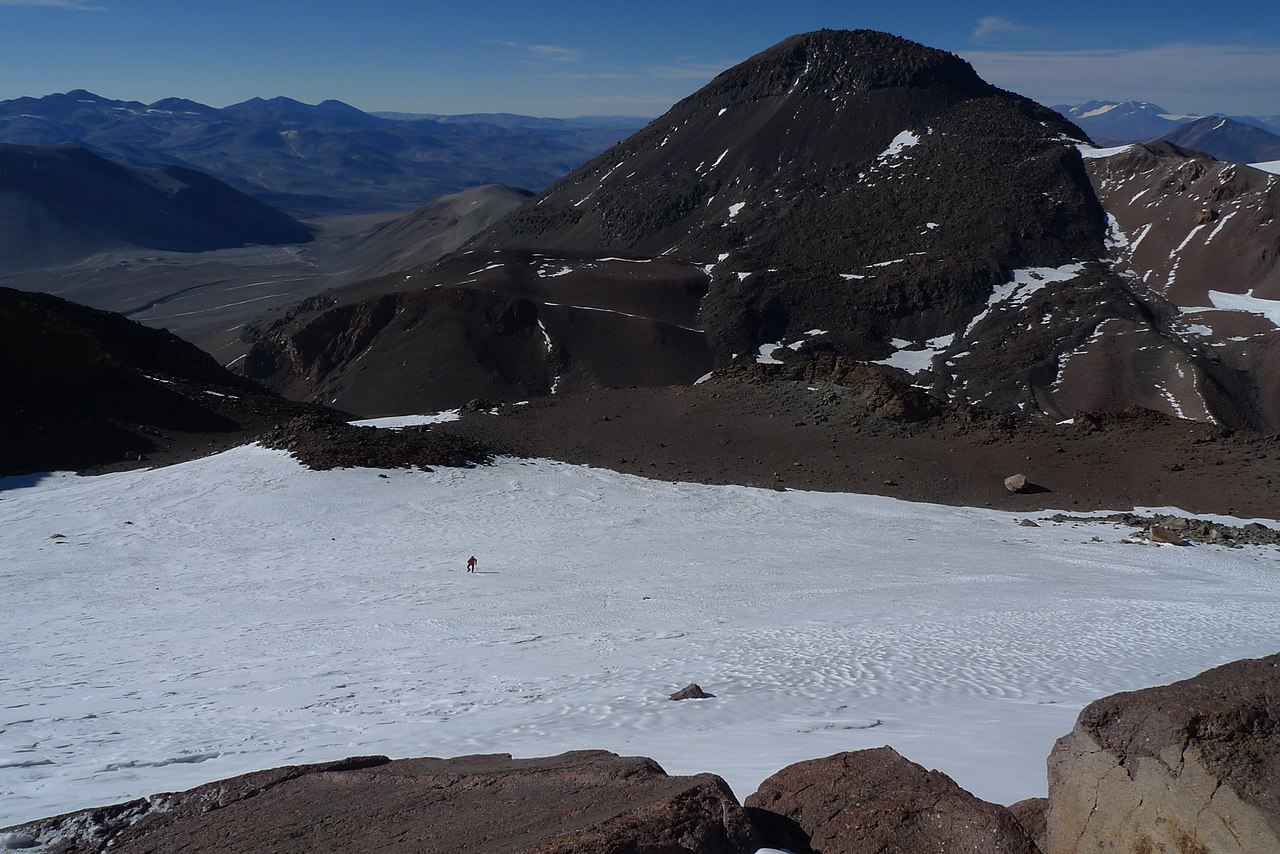



Peaks and elevations
The massif includes several summits; the most frequently cited are:
- Tres Cruces Sur — listed at about 6,748 metres (22,139 ft), one of the higher peaks of the Andes and often noted in rankings of the range's tallest mountains. See reference for regional rankings: Andean height listings.
- Tres Cruces Centro — another major summit, cited at about 6,629 metres (21,749 ft), which forms part of the central crest of the complex. More on the summits: summits and routes.
Geology and volcanic status
The Tres Cruces complex is volcanic in origin and belongs to the volcanic belt that runs along the central Andes. Although classified as a volcanic massif, it has not produced historically recorded eruptions and is generally treated as inactive or dormant in modern registers. Its structure reflects multiple phases of lava effusion and erosion, with glacial and periglacial modification in places. Further geological context is available at volcanic data sources.
Human interaction with Nevado Tres Cruces combines scientific study and mountaineering. The highest summit, Tres Cruces Sur, was first climbed in 1937 by Stefan Osiecki and Witold Paryski, an ascent that is often cited in historical accounts of Andean exploration. Modern expeditions approach from either the Argentine or Chilean sides, requiring careful acclimatization and logistic planning because of altitude and remoteness. Practical route and access information can be consulted through regional guides: Argentina and Chile local resources.
Beyond climbing, the massif is of interest to researchers studying high-altitude volcanism, Andean orography, and paleoclimate records preserved in nearby sediments and seasonal snowfields. Its prominence in the landscape makes it a useful landmark for geological surveys and a subject for environmental monitoring in the high Andes. For additional general information and external references see overview and specialist compilations at regional studies.
Related articles
Author
AlegsaOnline.com Nevado Tres Cruces Leandro Alegsa
URL: https://en.alegsaonline.com/art/69426
Sources
- peakbagger.com : "Tres Cruces, Argentina/Chile"
- summitpost.org : "Cerro Tres Cruces Central"
- books.google.com : The Geology of Chile
- summitpost.org : "Cerro Tres Cruces Sur"