
NBA 2K11 — Michael Jordan edition (2010) basketball video game
NBA 2K11 (2010) is a basketball video game by Visual Concepts and 2K Sports featuring Michael Jordan. Noted for the Jordan Challenge, classic teams, MyPlayer, and broadcast-style presentation across many platforms.
Overview
NBA 2K11 is a basketball sports game and video game released in October 2010. Developed by Visual Concepts and published by 2K Sports, the edition prominently features retired Chicago Bulls legend Michael Jordan and builds several modes and unlockables around his career. It combined refined on-court controls, broadcast-style presentation and a strong emphasis on historical content that appealed to both simulation players and fans of basketball history.
Image gallery
1 Image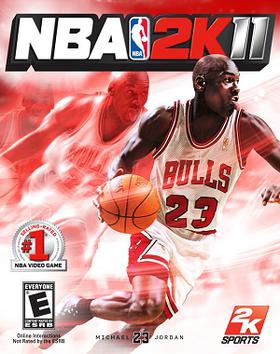
Platforms and release
NBA 2K11 launched on multiple systems to reach a wide audience. Initial release platforms included Xbox 360, PlayStation 3, PlayStation Portable, Windows PC and PlayStation 2, with the Wii version following later in October 2010. This multi-generation availability helped the title remain accessible to users on both current and previous generation hardware at the time of release.
Gameplay and key modes
The series' simulation focus remained central: realistic player movement, team tactics and a presentation that mimicked television broadcasts. NBA 2K11 offered a variety of modes to suit different play styles and objectives:
- Jordan Challenge — a curated set of playable scenarios recreating memorable moments from Michael Jordan's career, with objectives that emphasize historical context and signature plays.
- MyPlayer — a customizable career mode where a created athlete improves skills, earns reputation and progresses through seasons and individual matchups.
- Association/Franchise — long-term team management with trades, lineups and season planning to simulate front-office responsibilities.
- Exhibition and Online — single games, multiplayer matches and community-driven contests that let players test skills against friends and strangers.
- Classic teams and historical rosters — unlockable lineups that allow recreation of past eras and iconic matchups.
Michael Jordan and historical content
As the cover athlete and focal point of the marketing, Michael Jordan appears throughout the game in different roles: as a playable star on classic teams associated with the Chicago Bulls, as the subject of the Jordan Challenge, and as a narrative thread that ties many unlockables together. The inclusion of era-authentic rosters, arenas and presentation elements aimed to evoke the look and feel of games from Jordan's playing days.
Development and series context
Built on the Visual Concepts engine that powered earlier installments, NBA 2K11 introduced improved AI, control refinements and presentation polish while maintaining continuity with the previous entry, NBA 2K10. It continued the series' annual development cycle and was succeeded by NBA 2K12, each title iterating on gameplay mechanics, online features and mode depth.
Reception and legacy
Upon release, NBA 2K11 received widespread praise for its depth, authenticity and the nostalgia offered by the Jordan-focused content. Critics and players frequently highlighted the Jordan Challenge and the quality of the core simulation as standout elements. The game's balance of historical modes, realistic presentation and accessible control options contributed to its reputation as one of the stronger entries in the series and influenced how later basketball simulations approached legendary-player content and retro teams.
Notable features
In addition to signature modes, NBA 2K11 included licensed arenas, era-accurate uniforms, and a soundtrack and commentary aimed at enhancing immersion. Its approach to celebrating a single player's career within a mainstream sports title has been cited as a model for blending nostalgia with modern sports-simulation design.
Related articles
Author
AlegsaOnline.com NBA 2K11 — Michael Jordan edition (2010) basketball video game Leandro Alegsa
URL: https://en.alegsaonline.com/art/68891
Sources
- espn.go.com : "Michael Jordan to appear on 'NBA 2K11' cover"