
PlayStation 2 (PS2)
Sony's PlayStation 2 is a sixth-generation home video game console released in 2000. Noted for broad software support, backward compatibility and strong sales, it remained commercially supported for over a decade.
Overview
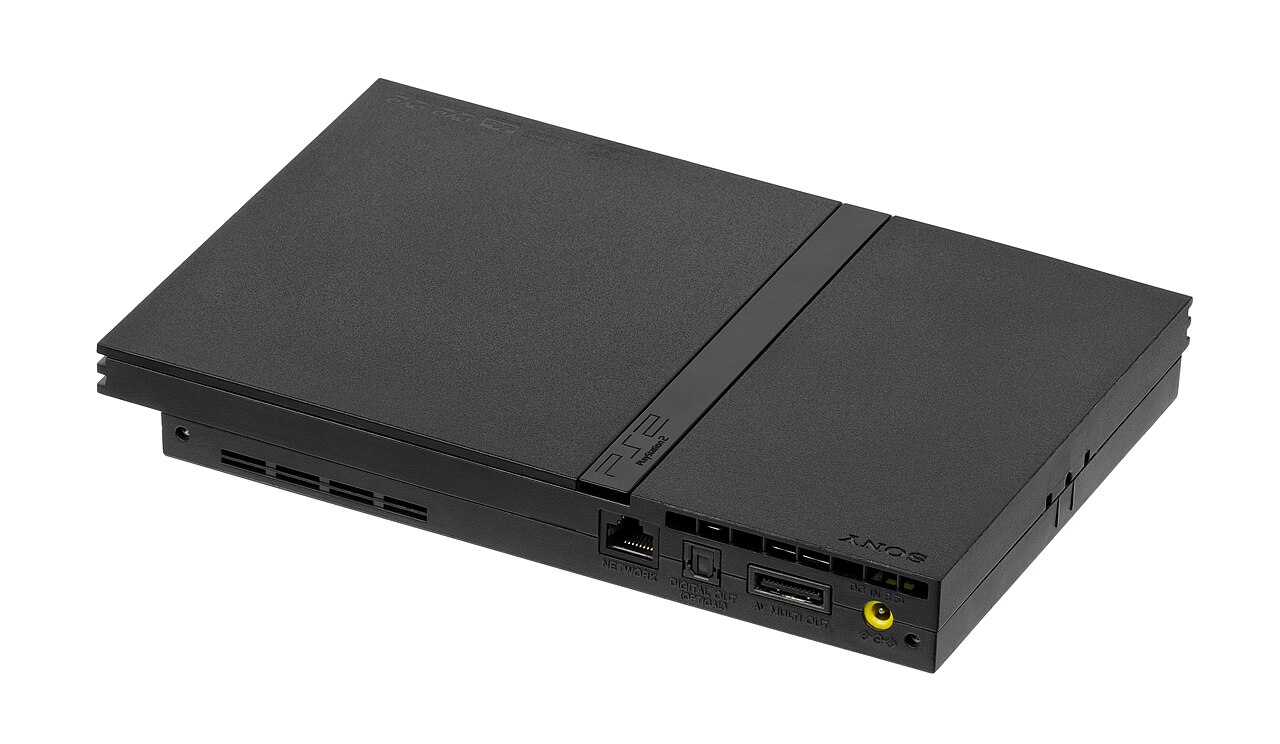
The PlayStation 2 (commonly shortened to PS2) is a home video game console produced by Sony. Launched in March 2000, it succeeded the original PlayStation and competed through its lifespan with systems such as the Sega Dreamcast, Nintendo GameCube and Microsoft Xbox. The PS2 is known for its large and diverse software library and long commercial life, and it is widely recognized as the best-selling home console of all time.
Image gallery
10 Images



Hardware and design
At launch, the PS2 combined a custom central processing architecture with a dedicated graphics synthesizer. Its case was slimmer than many contemporaries and included a DVD-ROM drive, which helped expand its role beyond gaming into DVD playback for many households. The console retained the PlayStation controller layout and introduced revisions that culminated in the DualShock 2 controller, featuring analog sticks and pressure-sensitive buttons for a wide range of game designs.
Compatibility, accessories and connectivity
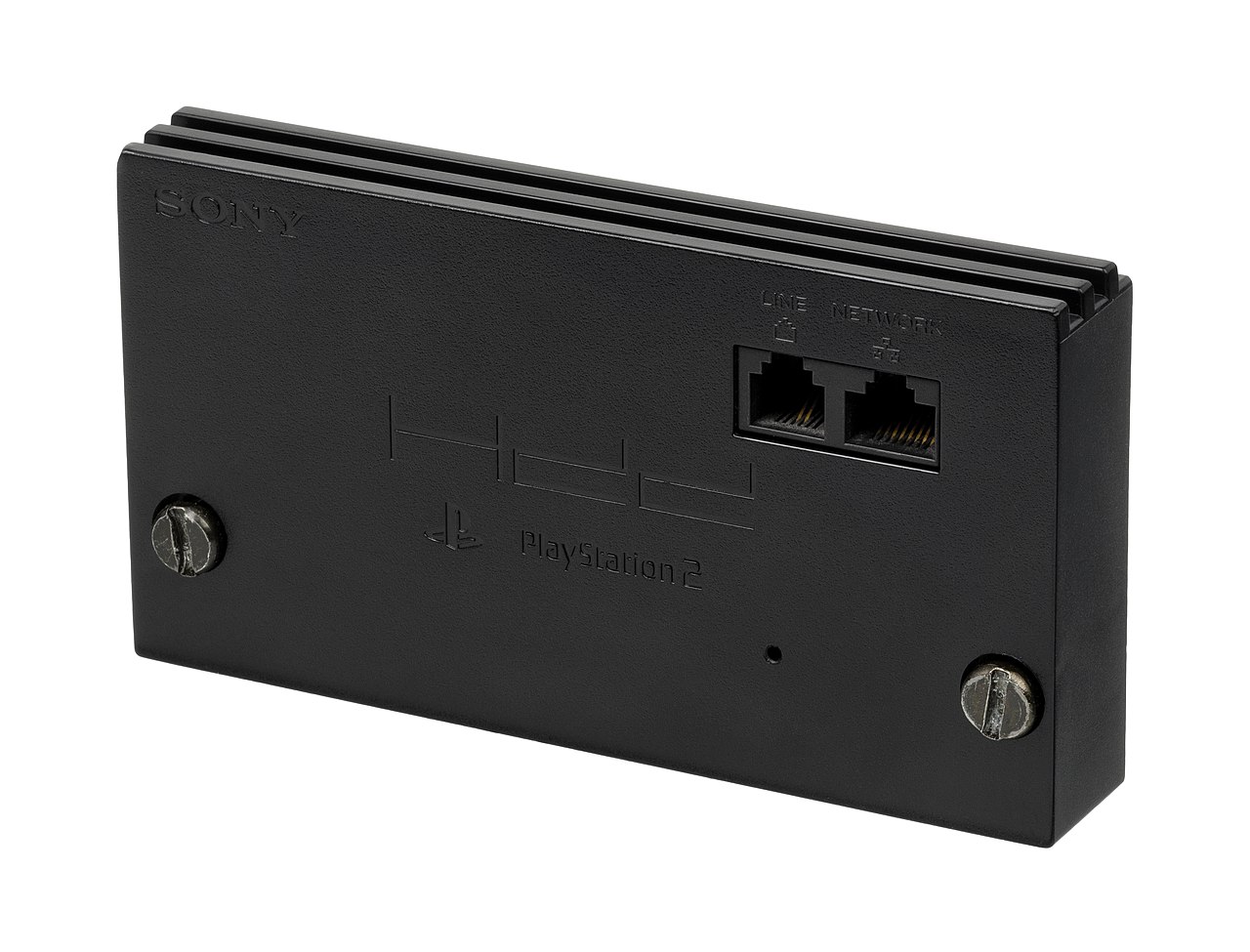
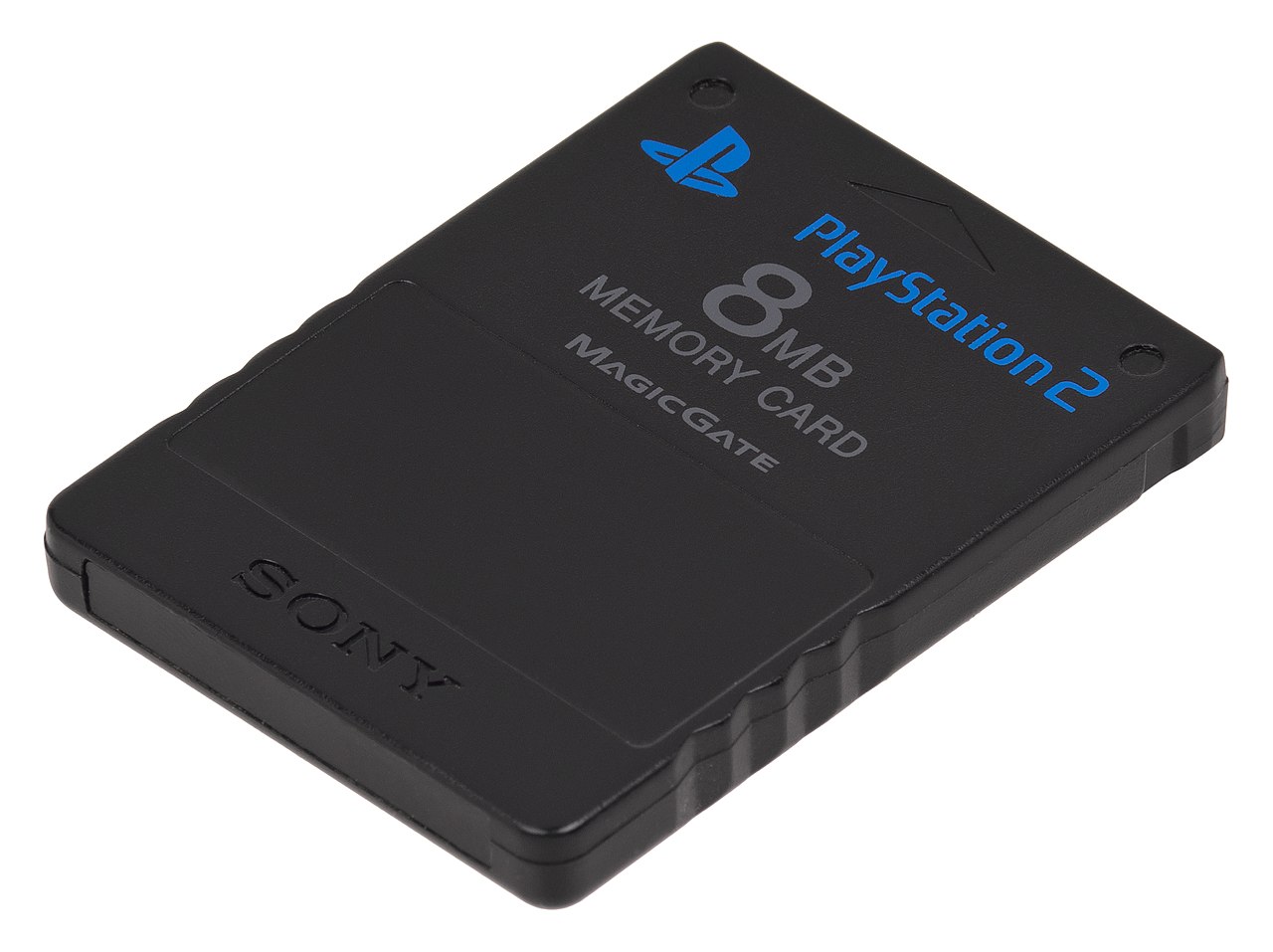
Backward compatibility with original PlayStation titles was a significant selling point, allowing owners to play earlier games from day one. The PS2 supported numerous accessories: memory cards for save data, multitap adapters for expanded local multiplayer, a broadband network adapter for online play on select titles, and later cross-platform features that connected with handhelds such as Sony's PlayStation Portable. Common accessories included the DualShock 2, multitap, and various specialized controllers and peripherals.
Software, notable games and services
The PS2's software catalog covered genres ranging from role-playing and sports to racing and action. System milestones include enduring franchise entries and exclusive titles that helped define the era. Some games provided online modes, and a subset offered cross-compatibility with handheld systems or bundled extras. Sports franchises released late in the system's life, such as FIFA 14, illustrate how support persisted even after the next-generation consoles arrived.
History, sales and discontinuation
Following its release in 2000, the PS2 enjoyed strong global sales and long-term retail presence; cumulative shipments reached well into the tens of millions, making it the highest-selling console in history. Sony later introduced the PlayStation 3 in 2006, but the PS2 remained relevant for many years. Official manufacturing and support were wound down in stages: Sony announced the end of production in Japan in late 2012 and completed global discontinuation shortly thereafter. Online services for the platform continued for a period before being terminated, and repair services were phased out on a schedule set by Sony.
Legacy and distinctions
The PS2 is often cited for its role in popularizing DVD playback on a game console, for its extensive third-party developer support, and for establishing franchises that continued on later hardware. Even after the arrival of the PlayStation 3 and the later PlayStation 4, the PS2 remained an influential system, with developers and players valuing its large library, backwards compatibility, and the accessibility of its catalog. Its lifespan demonstrates how a platform can bridge generations of hardware and remain culturally significant long after its launch.
Quick facts and typical accessories
- Manufacturer: Sony
- Console family: PlayStation line
- Notable competitors: Dreamcast, GameCube, Xbox
- Late-era software examples: FIFA 14 and regionally released titles
- Successor: PlayStation 3 and later PlayStation 4
For further technical or historical details consult dedicated resources and manufacturer documentation. Additional reading and references can be found via manufacturer pages and archival materials linked by platform historians and game preservation projects (Sony, PlayStation).
Related articles
Author
AlegsaOnline.com PlayStation 2 (PS2) Leandro Alegsa
URL: https://en.alegsaonline.com/art/77406
Sources
- guardian.co.uk : "PlayStation 2 manufacture ends after 12 years"
- community.teamxbox.com : "Next Gen Console Wars: Revenge of Kutaragi" · web.archive.org