
Neil Gaiman: life, major works, and literary influence
Encyclopedic overview of Neil Gaiman: biography, major works, themes, adaptations, awards, and public life with pointers to further resources.
Overview
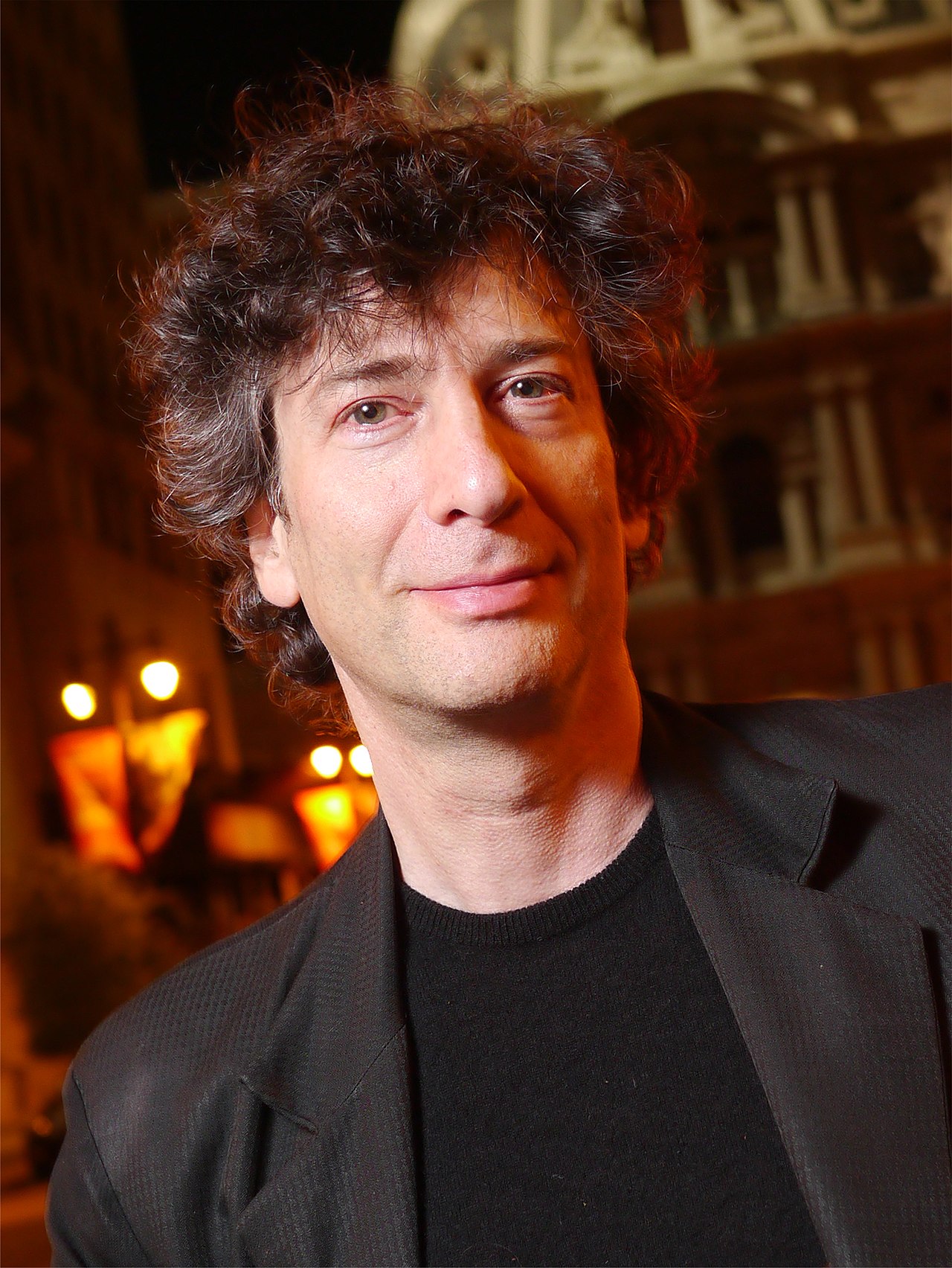
Neil Gaiman (born 10 November 1960) is an English author whose work spans novels, short fiction, comic books and graphic novels, radio and audio drama, stage, and screen adaptations. He first gained wide attention with the comic-book series The Sandman, which helped introduce mature, literary themes to mainstream comics. His best-known novels and novellas include Stardust, American Gods, Coraline, The Graveyard Book and The Ocean at the End of the Lane. Many readers are introduced to his work through collected editions and author profiles that provide bibliographies and publication histories (official biography and bibliography and comics).
Image gallery
10 Images



Life and career
Gaiman began his professional life as a journalist and freelance writer, moving into comics and fiction in the 1980s. He has collaborated with artists, editors and filmmakers, and his projects have ranged from single-issue comic stories to multi-volume series, novels for both adults and younger readers, and audio plays. For readers seeking concise information about his published works and collaborative projects, several compilations and guides are available (selected works).
Major works
- The Sandman — a landmark comic-book series that blended mythology, history and literary allusion across multiple volumes and contributed to a reassessment of comics as a serious art form (series overview).
- American Gods — a novel that juxtaposes ancient and immigrant deities with contemporary American life and cultural memory.
- Coraline and The Graveyard Book — books written for younger readers that incorporate dark-fantasy elements and themes of identity and courage; these works also attracted adult readers and critical recognition (children's literature and awards).
- Stardust — a short novel influenced by fairy tale motifs and romantic adventure.
- Good Omens (with Terry Pratchett) — a comic novel that has become a popular favorite and was later adapted for television (co‑authored works).
Themes and style
Gaiman frequently draws on folklore, myth, and fairy-tale structures, placing ordinary characters in encounters with the uncanny. His voice is notable for its narrative clarity, sly humor and attention to storytelling itself: stories within stories, unreliable narrators, and the consequences of belief recur across his work. He often writes across age boundaries, producing texts that can be read on different levels by children and adults. Critics and readers point to an interest in memory, identity, the nature of gods and heroes, and the interface between myth and modern life.
Adaptations and media
Many of Gaiman’s works have been adapted for other media. Some have become films, television series or stage productions; others have been adapted as radio and audio dramas. Notable adaptations include an animated feature based on Coraline, a television series adaptation of American Gods, and screen and stage projects connected to his novels and short stories. Gaiman has also participated in adaptations of his own work, and his fiction has inspired subsequent creative projects and critical study (adaptations and media).
Awards and recognition
Across genres and media, Gaiman has received major awards in science fiction, fantasy and children’s literature, including the Hugo, Nebula and Bram Stoker awards, and honors such as the Newbery and Carnegie medals. He is notable for winning both the Newbery and the Carnegie medals for the same book, The Graveyard Book. His work has also been recognized in national book awards and by literary organizations; consolidated lists and annotated award records are useful for reference (awards summary).
Personal life and public presence
Gaiman has lived in the United Kingdom and the United States, and he maintains a visible public presence through readings, interviews and social media. He is married to musician and performer Amanda Palmer and has children from a previous marriage as well as a child with Palmer; journalists and profiles have documented aspects of his personal and creative life across several interviews and articles (personal profile).
Legacy and further reading
Gaiman’s influence extends across contemporary fantasy, comics and children’s literature. He is often cited as a gateway author: readers encounter modern comics through The Sandman or discover contemporary fantasy through his novels. For those seeking more in-depth study, annotated editions, collections of interviews and critical essays provide context on his themes, collaborative practices, and adaptations. Libraries, academic journals and publishers offer reading guides and bibliographies to explore the breadth of his work and its reception (further bibliography).
Related articles
Author
AlegsaOnline.com Neil Gaiman: life, major works, and literary influence Leandro Alegsa
URL: https://en.alegsaonline.com/art/69050
Sources
- bbc.co.uk : Neil Gaiman
- wickedlocal.com : "Wedding: Palmer — Gaiman"
- teachingbooks.net : "Author Name Pronunciation Guide – Neil Gaiman" · web.archive.org · webcitation.org
- cbgxtra.com : cbgxtra.com
- theguardian.com : "Neil Gaiman novel wins Book of the Year"