
PlayStation Portable (PSP): Sony’s first disc-based handheld console
Overview of the PlayStation Portable (PSP), its hardware and media, release history, common models, software capabilities, and its legacy in handheld gaming.
Overview
The PlayStation Portable (PSP) is a handheld game system developed by Sony Computer Entertainment as the company’s first portable console to use optical disc media. Launched in Japan in late 2004 and internationally in 2005, the PSP combined gaming with multimedia features—playing games, music, video and displaying photos—on a single compact device.
Image gallery
10 Images



Design and hardware
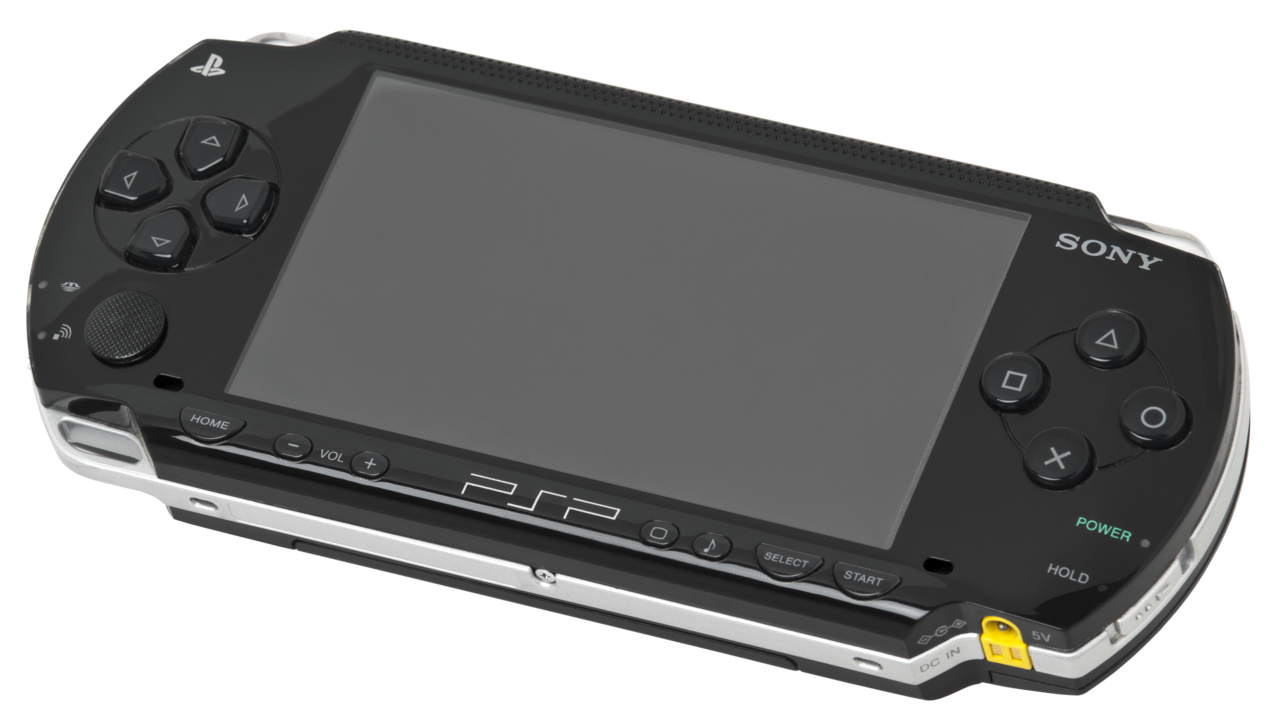
The PSP featured a large, landscape-oriented color screen, game controls including an analog nub and shoulder buttons, and wireless networking for multiplayer and internet connectivity. Storage for user data relied on removable flash cards, and the system connected to computers via USB for content transfer. Several hardware revisions followed the original model, refining screen quality, size and battery life while keeping compatibility with the same game format.
Media and storage
Unlike earlier handhelds that used cartridges, the PSP used a small optical disc format for retail games and movie releases. This disc format offered more capacity than traditional compact discs but less than standard DVDs. For saved games, downloads and user media, Sony used a proprietary removable flash card format. Users could also transfer compatible music, video and image files from a personal computer to the device.
Software, games and services
The PSP supported a diverse library spanning first-party franchises, third-party titles and adaptations of console games. In addition to physical game releases, the platform provided digital distribution and downloadable content through an online storefront. Multimedia playback expanded the PSP’s role beyond gaming, enabling portable video viewing and audio playback, with support for common codecs of the era.
History and models
Announced in the early 2000s and unveiled at major industry events, the PSP saw several iterations: the original flagship model, slimmer and lighter redesigns, improved screens and a later model that emphasized digital distribution over disc drives. Production and regional shipments continued for several years before ending in the mid-2010s, after which the system remained influential in shaping portable entertainment devices.
Legacy and notable facts
The PSP helped popularize handheld systems capable of console-like experiences and multimedia playback. Its use of an optical disc in a portable platform was unusual and provided enough capacity for richer audiovisual content. The console also fostered a broad homebrew and aftermarket scene, and many of its design elements influenced later handhelds and hybrid devices.
Related links
- Manufacturer information
- Console overview
- Japan release details
- North America release details
- European release details
- Multimedia capabilities
- Video playback formats
- Connecting to a computer
- Game and movie distribution
- Optical disc format
- Storage capacity context
- Compact disc comparison
- DVD comparison
Questions and answers
Q: What is the PlayStation Portable?
A: The PlayStation Portable, or PSP, is a handheld video game console made by Sony.
Q: When was the PSP released in Japan?
A: The PSP was released in Japan on December 12, 2004.
Q: When was the PSP released in North America?
A: The PSP was released in North America on March 24, 2005.
Q: How do you transfer music, videos, or pictures to a PSP?
A: To transfer music, videos, or pictures to a PSP, you must use a USB cable to send the files from a computer to it.
Q: What kind of disc do games and movies come on for the PSP?
A: Games and movies come on a disc called the "Universal Media Disc" which holds 1.8 GB.
Q: When did shipments of the PSP end in North America?
A: Shipments of the PSP ended in North America on January 31, 2014.
Q: What was significant about the PSP's media storage?
A: The PSP was the first handheld game console to use a disc as its media storage instead of a cartridge.
Related articles
Author
AlegsaOnline.com PlayStation Portable (PSP): Sony’s first disc-based handheld console Leandro Alegsa
URL: https://en.alegsaonline.com/art/77415
Sources
- store.station.sony.com : "Untold Legends: The Warrior's Code"
- capcom.co.jp : "Platinum Titles"
- ca.ign.com : "Sony Discontinuing PSP"
- nintendo.co.jp : "Consolidated Financial Highlights"