
Ethnic groups of China: overview and the 56 recognized nationalities
Summary of China's officially recognized ethnic groups (56 nationalities), their terminology, major peoples, geographic distribution, historical background and cultural significance.
China is home to a large number of distinct peoples with diverse cultures, languages and religions. The central government officially recognizes 56 nationalities (民族, mínzú), a classification used in census, education and regional administration. The overwhelming majority are Han (汉族, Hàn Zú), who constitute roughly nine out of ten people. The remaining recognized groups are commonly referred to as ethnic minorities and include both large populations such as the Zhuang and small communities numbering only a few thousand.
Image gallery
10 Images


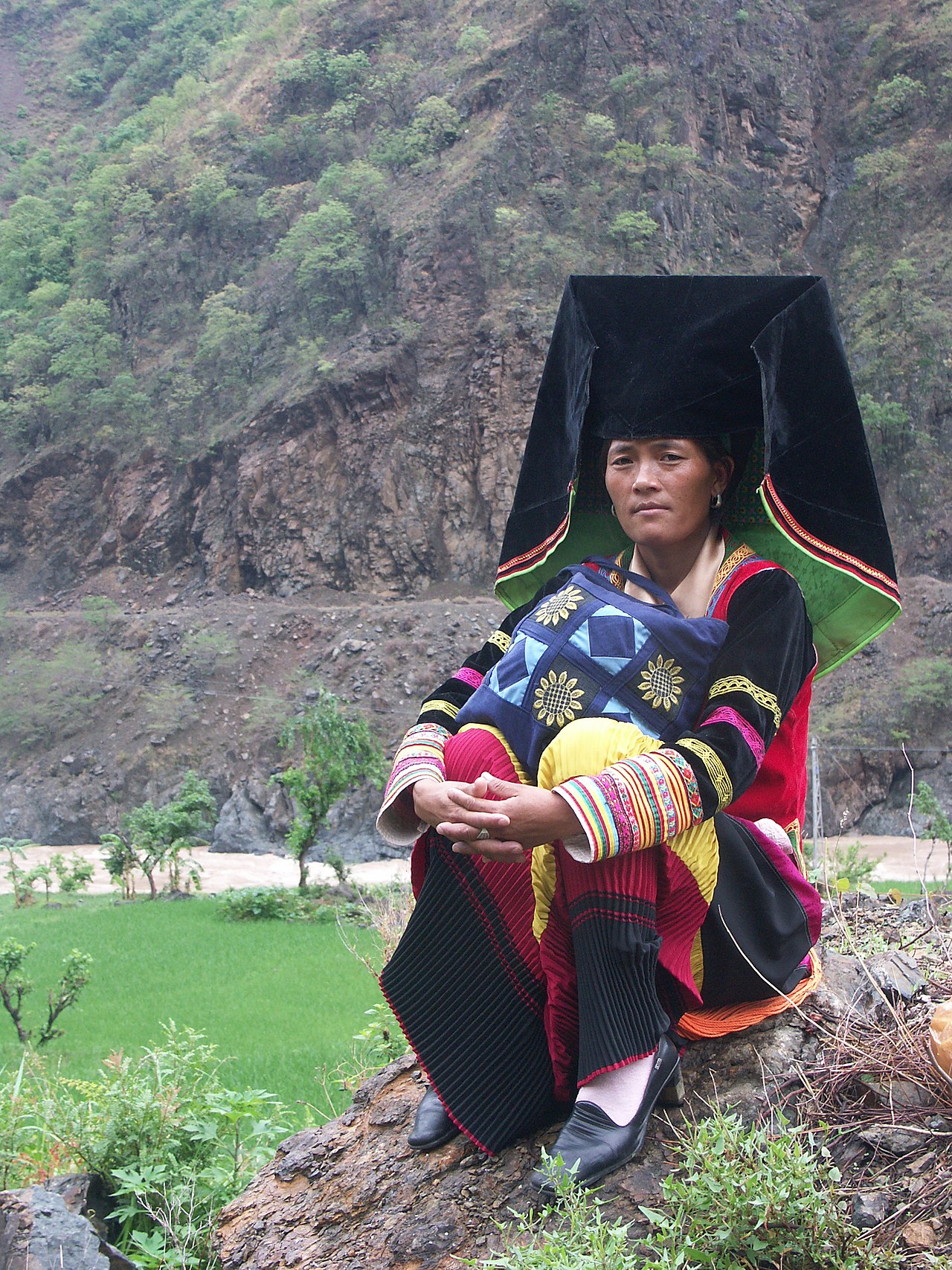

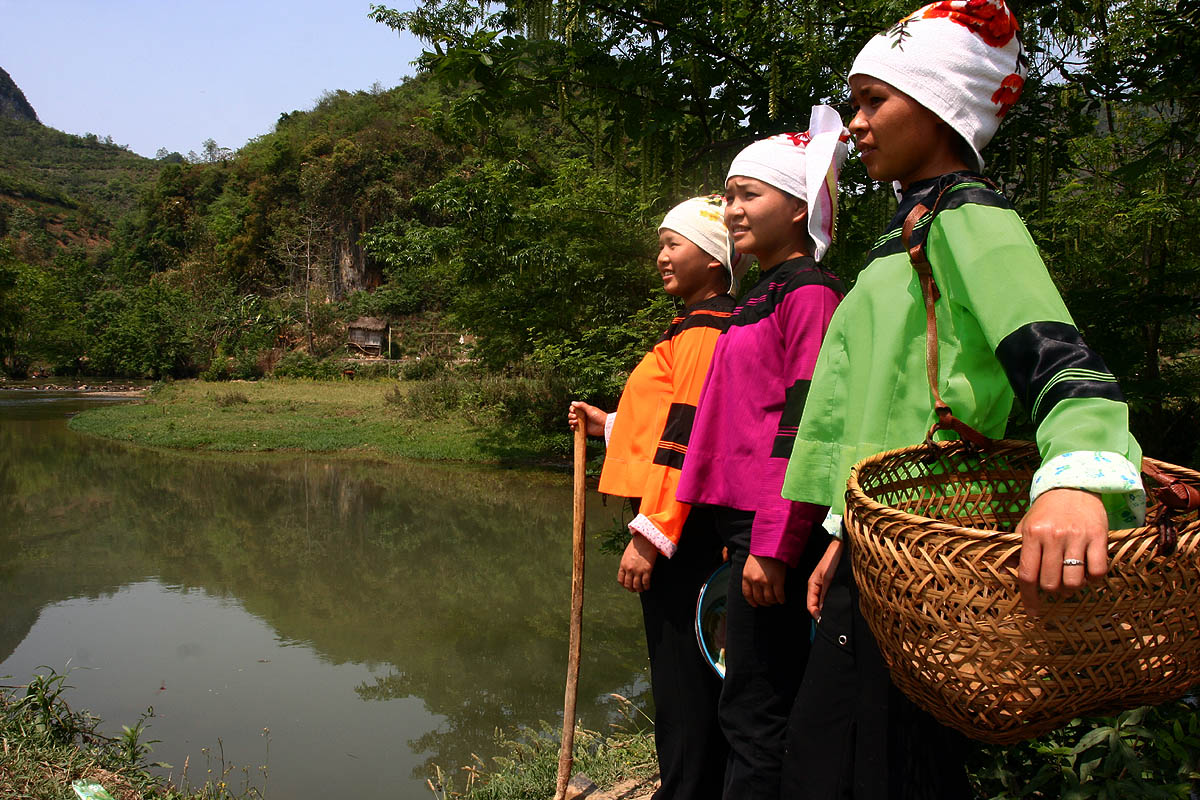
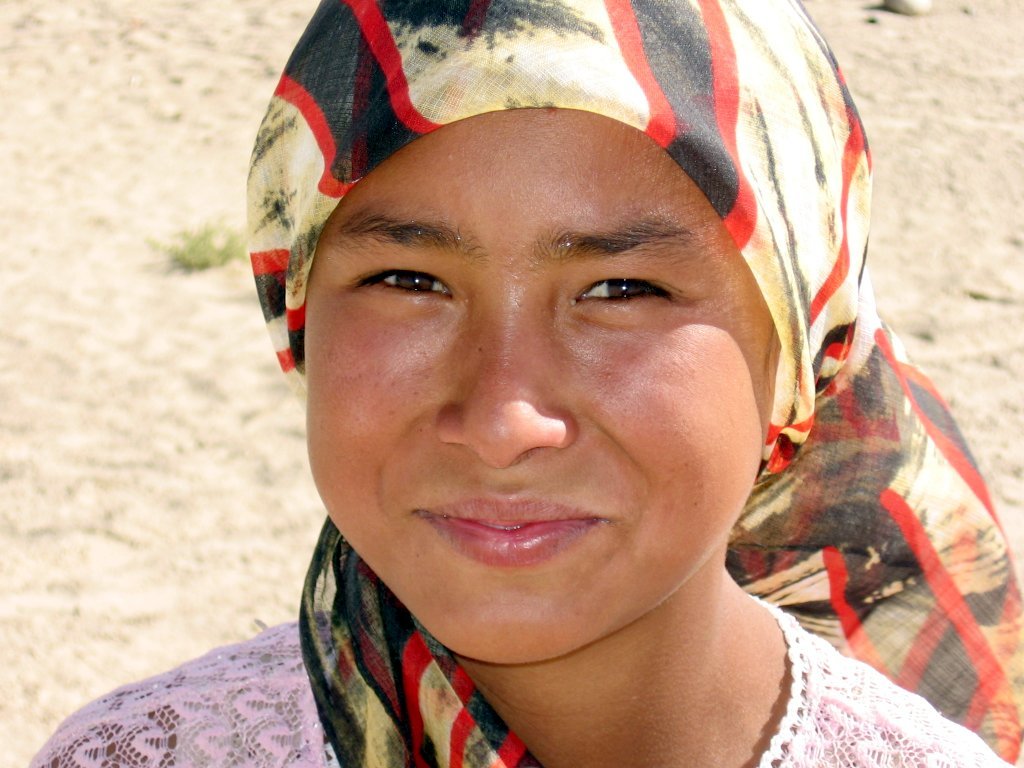

Terms, recognition and policy
The label used in Chinese official terminology—mínzú—does not map precisely to Western concepts of "ethnicity" or "nation"; it covers groups distinguished by language, history, self-identity and sometimes religion. The state's formal list of 56 was produced in the 1950s and has been used since for statistical, educational and administrative purposes. Policies toward these groups vary by era and region and include cultural protections, recognition of minority languages in some schools, and the establishment of autonomous prefectures and regions that provide local administrative space for minority-majority areas.
Major groups and notable communities
Besides the Han majority, the largest minority groups include the Zhuang, Manchu, Hui, Miao (Hmong), Uyghur, Yi and others. Many groups are concentrated in particular provinces or autonomous regions: for example, Tibetans are mainly in the Tibetan Plateau, Uyghurs are concentrated in Xinjiang, Zhuang in Guangxi, and Mongols in Inner Mongolia. Some groups, like the Hui, are dispersed across multiple provinces and are characterized in part by shared religious traditions.
Officially recognized nationalities (56)
- Han (汉族, Hàn Zú)
- Zhuang (壮族, Zhuàng Zú)
- Manchu (满族, Mǎn Zú)
- Hui (回族, Huí Zú)
- Miao (苗族, Miáo Zú) — Hmong
- Uyghur (维吾尔族, Wéiwúěr Zú)
- Yi (彝族, Yí Zú)
- Tujia (土家族, Tǔjiā Zú)
- Mongol (蒙古族, Měnggǔ Zú)
- Tibetan (藏族, Zàng Zú)
- Buyei (布依族, Bùyī Zú)
- Dong (侗族, Dòng Zú)
- Yao (瑶族, Yáo Zú)
- Korean (朝鲜族, Cháoxiǎn Zú)
- Bai (白族, Bái Zú)
- Hani (哈尼族, Hāní Zú)
- Li (黎族, Lí Zú; called Hlai in their language)
- Kazak (哈萨克族, Hāsàkè Zú)
- Dai (傣族, Dǎi Zú) — a Tai group
- She (畲族, Shē Zú)
- Lisu (傈僳族, Lìsù Zú)
- Gelao (仡佬族, Gēlǎo Zú)
- Lahu (拉祜族, Lāhù Zú)
- Dongxiang (东乡族, Dōngxiāng Zú)
- Wa (佤族, Wǎ Zú)
- Sui (水族, Shuǐ Zú)
- Naxi (纳西族, Nàxī Zú) — includes Mosuo (摩梭, Mósuō)
- Qiang (羌族, Qiāng Zú)
- Tu (土族, Tǔ Zú)
- Xibe (锡伯族, Xíbó Zú)
- Mulao (仫佬族, Mùlǎo Zú)
- Kyrgyz (柯尔克孜族, Kēěrkèzī Zú)
- Daur (达斡尔族, Dáwòěr Zú)
- Jingpo (景颇族, Jǐngpō Zú)
- Salar (撒拉族, Sǎlá Zú)
- Blang (布朗族, Bùlǎng Zú)
- Maonan (毛南族, Màonán Zú)
- Tajik (塔吉克族, Tǎjíkè Zú)
- Pumi (普米族, Pǔmǐ Zú)
- Achang (阿昌族, Āchāng Zú)
- Nu (怒族, Nù Zú)
- Evenki (鄂温克族, Èwēnkè Zú)
- Gin (京族, Jīng Zú) — Kinh/Vietnamese
- Jino (基诺族, Jīnuò Zú)
- De'ang (德昂族, Déáng Zú)
- Uzbek (乌孜别克族, Wūzībiékè Zú)
- Russian (俄罗斯族, Éluōsī Zú)
- Yugur (裕固族, Yùgù Zú)
- Bonan (保安族, Bǎoān Zú)
- Monba (门巴族, Ménbā Zú)
- Oroqen (鄂伦春族, Èlúnchūn Zú)
- Derung (独龙族, Dúlóng Zú)
- Tatar (塔塔尔族, Tǎtǎěr Zú)
- Hezhen (赫哲族, Hèzhé Zú)
- Lhoba (珞巴族, Luòbā Zú)
- Gaoshan (高山族, Gāoshān Zú) — Taiwanese aborigines
Geography, culture and contemporary notes
Ethnic communities are unevenly distributed: many minorities live along China's frontiers, in upland or frontier provinces such as Xinjiang, Tibet, Inner Mongolia, Guangxi, Yunnan and Guizhou. Distinct languages, musical styles, clothing and festivals are maintained and celebrated; in some areas minority languages are taught in local schools or used in official signs. Autonomous regions, prefectures and counties provide administrative recognition and a degree of cultural autonomy. People interested in demographic trends, cultural practices or specific group histories can find more detailed material on population statistics, cultural descriptions and traditions, and historical background here. Religions and belief systems across groups are diverse—information on those topics is available elsewhere.
For policy, governance and legal frameworks see sources on the central government administration and the official list of recognized nationalities designations. Some entries in this article link to specialist pages for particular groups, for example the Hui (Huí), the Miao (Miáo), and the Tibetan community (Zàng). Linguistic notes for the Li include references to their own language names and terminology and local language resources here. Other minority groups with historical ties beyond China's borders include the Uzbek communities and the Tatar population.
History and identity are complex: some groups, such as the Manchus, have dynastic histories and played major roles in imperial China, while others have long maintained local autonomy or distinct lifeways. Contemporary scholarship treats China's ethnic classification as a mix of historical, linguistic and political factors; for readers seeking deeper study, specialized ethnographies and regional studies offer the best detail.
Questions and answers
Q: How many nationalities are officially recognized in China?
A: The Chinese government officially recognizes 56 nationalities.
Q: What is the largest ethnicity in China?
A: The Han people make up the largest ethnicity in China, comprising about 90% of the population.
Q: What is the practice of keeping women in inner quarters called?
A: This practice is called "Women's chastity" and was guarded by keeping them in the inner quarters of the house. It was adopted from Han culture by Manchus after they founded the Qing dynasty.
Q: Who declared the Later Jin dynasty in 1616?
A: Nurhaci declared the Later Jin dynasty in 1616.
Q: What were Jurchens (Manchus) doing when Nurhaci declared his Seven Grievances in 1618?
A: When Nurhaci declared his Seven Grievances calling for revenge against Ming for killing his father and grandfather, Jurchens (Manchus) were rejecting their previous status and revolting.
Q: What are some other ethnic minorities that make up a part of China's population besides Han people?
A: Other ethnic minorities that make up a part of China's population besides Han people include Zhuang, Manchu, Hui, Miao (Hmong), Uyghur, Yi, Tujia, Mongolian, Tibetan, Buyei, Dong Yao Li (Hlai), Kazak Dai She Lisu Gelao Lahu Dongxiang Va Sui Naxi (Mosuo), Qiang Tu Xibe Mulao Kirgiz Daur Jingpo Salar Blang Maonan Tajik Pumi Achang Nu Ewenki Gin Jino De'ang Uzbek Russians Yugur Bonan Monba Oroqen Derung Tatar Hezhen Lhoba Gaoshan (Taiwanese aborigines).
Tags
Related articles
Author
AlegsaOnline.com Ethnic groups of China: overview and the 56 recognized nationalities Leandro Alegsa
URL: https://en.alegsaonline.com/art/68731