
Hmong people: history, language, culture, and diaspora
The Hmong are an ethnolinguistic group from southern China with large communities across Southeast Asia and a global diaspora. This article summarizes their language, social structure, migrations, and cultural practices.
Overview
The Hmong are an ethnolinguistic people historically rooted in southern China who today live across China, Vietnam, Laos, Thailand and Myanmar and in sizable diasporas worldwide. In China they are often included under the broader Miao classification in official statistics, while outside China the name Hmong is commonly used. Hmong communities are diverse, with distinct dialects, clothing styles and local histories that reflect centuries of migration and regional adaptation. Overview source Ethnic classification
Image gallery
10 Images


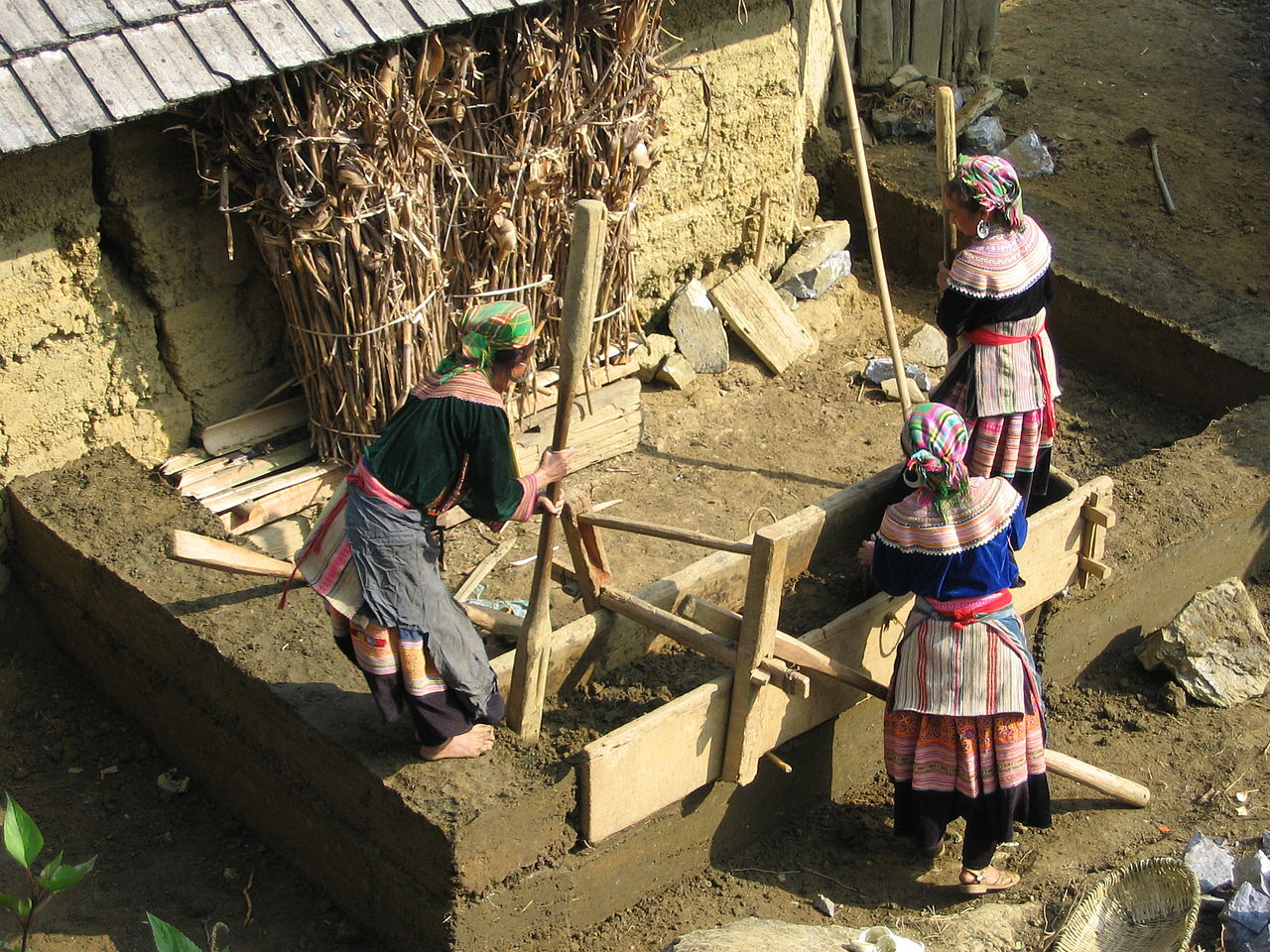


Language and social organization
Hmong languages belong to the Hmong-Mien family and are spoken in several mutually intelligible and non-intelligible varieties. Many Hmong identify by subgroup names derived from traditional clothing or dialect, commonly called White Hmong and Green/Blue Hmong, among others. Social life traditionally centers on clans, kinship, and village councils; clans influence marriage rules and dispute resolution. Linguistic notes Clan structure
History and migration
Historically the Hmong lived in upland areas of southern China. Over centuries, and especially from the 18th century onward, Hmong communities moved into mainland Southeast Asia. In the 20th century geopolitical events greatly affected Hmong populations: during the Laotian conflicts many Hmong allied with Allied forces, and after the communist takeover of Laos in 1975 large numbers sought refuge abroad. Subsequent resettlement established notable communities in North America, Europe and Oceania. Migration patterns 18th-century movement 20th-century history
Culture and traditional practices
Hmong culture is known for elaborate textile arts, intricate embroidery and silver jewelry used in ceremonial dress. Animist beliefs and shamanic practices remain important in many communities, though Christianity and other religions have also spread. Agricultural practices historically included upland rice and swidden cultivation, while festivals—especially the Hmong New Year—play a central role in community life. Typical cultural features include:
- Hand-stitched garments and batik-style cloth
- Shamanic rituals and healing traditions
- New Year celebrations with music, dance and courtship customs
Textile traditions Religious practices Agricultural life
Contemporary communities and issues
Today Hmong populations are found across China and mainland Southeast Asia and in diaspora communities in the United States, France, Australia, Canada and French Guiana, among other countries. Diaspora communities balance preservation of language and ritual with integration into new societies; younger generations often navigate bilingual identities and urban employment. Political recognition, land rights and cultural preservation remain active concerns in different countries. Diaspora in the West Community challenges Cultural preservation Contemporary issues
For readers seeking more detailed studies, consult ethnographic and linguistic research on Hmong-Mien languages, regional histories of southern China and Southeast Asia, and accounts of post-1975 migration and resettlement.
Questions and answers
Q: What is the homeland of the Hmong and Mong ethnic group?
A: The homeland of the Hmong and Mong ethnic group is in China, especially along the Yangtze and Yellow river.
Q: When did Hmong people start moving to other Southeast Asian countries?
A: In the 18th century, Hmong people started moving to other Southeast Asian countries.
Q: Where do Hmong people live today?
A: Today, Hmong people live in all of China, northern Vietnam, Laos, Thailand, and Myanmar.
Q: Why did many Hmong people move to the United States after 1975?
A: After communists took over Laos in 1975, many Hmong people moved to the United States for safety.
Q: What are some other places that some Hmong people moved to after 1975?
A: After 1975, some Hmong people also moved to Australia, France, French Guiana, and Canada.
Q: How do Hmong people divide themselves?
A: Hmong people divide themselves into White Hmong and Green Mhong as well as smaller groups.
Q: Are there any other reasons why some members of this ethnic group have left their homeland besides political reasons?
A: Yes; some members of this ethnic group may have left their homeland for economic or educational opportunities elsewhere.
Related articles
Author
AlegsaOnline.com Hmong people: history, language, culture, and diaspora Leandro Alegsa
URL: https://en.alegsaonline.com/art/44573
Sources
- hmongstudies.org : "What is the actual number of (H)mong in the world?"
- britannica.com : "Hmong people"
- gso.gov.vn : "The 2009 Vietnam Population and Housing Census: Completed Results" · web.archive.org
- factfinder2.census.gov : "American FactFinder"
- censusdata.abs.gov.au : "ABS Census – ethnicity"
- news.bbc.co.uk : "Hmong's new lives in Caribbean"
- www12.statcan.gc.ca : "Census Profile, 2016 Census"