
Natanz, central Iran: oasis city, history and modern significance
Natanz is a small city in central Iran noted for its desert oasis, pear orchards, historic shrines, nearby mining, and a uranium enrichment facility; it lies southeast of Kashan.
Natanz is a small city in the arid central plateau of Iran. It stands within an irrigated oasis that contrasts sharply with the surrounding desert environment. The city lies roughly 40 kilometres southeast of Kashan, and its population is commonly reported in the low tens of thousands. Visitors and writers often note Natanz for its agricultural products, especially locally grown pears, and for the presence of religious and historical sites that reflect a long, layered past.
Image gallery
7 Images


Geography and urban character
Natanz occupies a valley location fed by traditional irrigation and springs, which has allowed orchards and gardens to persist despite the regional aridity. The urban fabric includes modest residential areas, bazaars and workshops, and older religious complexes. The surrounding terrain rises into mountains on several sides, and nearby villages such as the historic mountain settlement of Abyaneh are well known as resort and cultural destinations for domestic tourism.
History and religious heritage
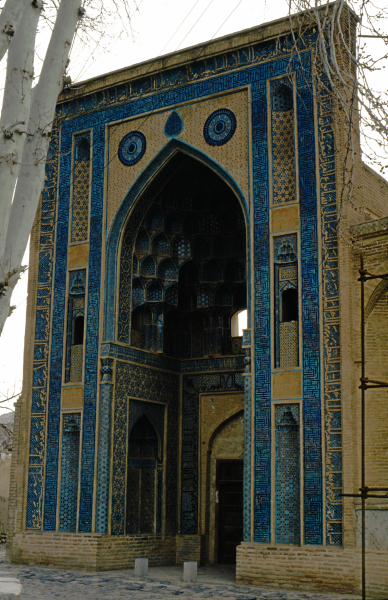
The area around Natanz shows evidence of long human occupation and a succession of religious influences. Before the conversion policies of the Safavid era under state support for Twelver Islam, the region retained communities and traditions associated with Zoroastrianism, the ancient religion that originated in the Iranian cultural sphere. The locality also attracted Sufi figures; one notable shrine commemorates Abdas-Samad Esfahani, a Sufi who is reported to have died there in the late 13th century and whose tomb remains a place of local pilgrimage (shrine, Sufi).
Natanz is also mentioned in accounts of antiquity: the death of the last Achaemenid king, Darius III, is traditionally associated with the region's distant past, reflecting the area's long-standing place in Iranian historical memory.
Economy, resources and modern significance
The economy of Natanz combines agriculture, small-scale trade and services, and links to regional industry. To the east of the city there are mineral workings for industrial minerals such as fluorite and baryte, which supply local processing and broader markets. Southeast of the urban area, a facility for uranium enrichment has been built and is commonly cited in discussions of Iran's nuclear programme; that complex gives Natanz added strategic and political visibility beyond its agricultural and cultural functions.
Tourism and notable sites
- Religious shrines and Sufi tombs that attract local pilgrims and visitors (shrines, Sufism).
- Traditional orchards and seasonal fruit markets, especially for pears.
- Proximity to the red-cliff village of Abyaneh and mountain landscapes suitable for short excursions.
- Industrial and mineral sites to the east, including deposits of fluorite and baryte.
As a small city with an oasis, historic monuments and modern infrastructure, Natanz illustrates many themes of central Iranian towns: adaptation to a dry environment, continuity of religious and cultural traditions, and evolving economic roles in response to both local resources and national priorities. For further reading on the region and its cultural geography, specialized travel guides and regional histories provide more detailed maps and site descriptions.
Additional references and online resources may be consulted for up-to-date demographic and technical information by following authoritative sources and regional repositories (location overview).
Related articles
Author
AlegsaOnline.com Natanz, central Iran: oasis city, history and modern significance Leandro Alegsa
URL: https://en.alegsaonline.com/art/68479