
Darius III — Last King of the Achaemenid Persian Empire
Biography of Darius III (Artashata/Codomannus), his rise to power, wars with Alexander the Great, defeat and death, and his legacy as the final Achaemenid monarch.
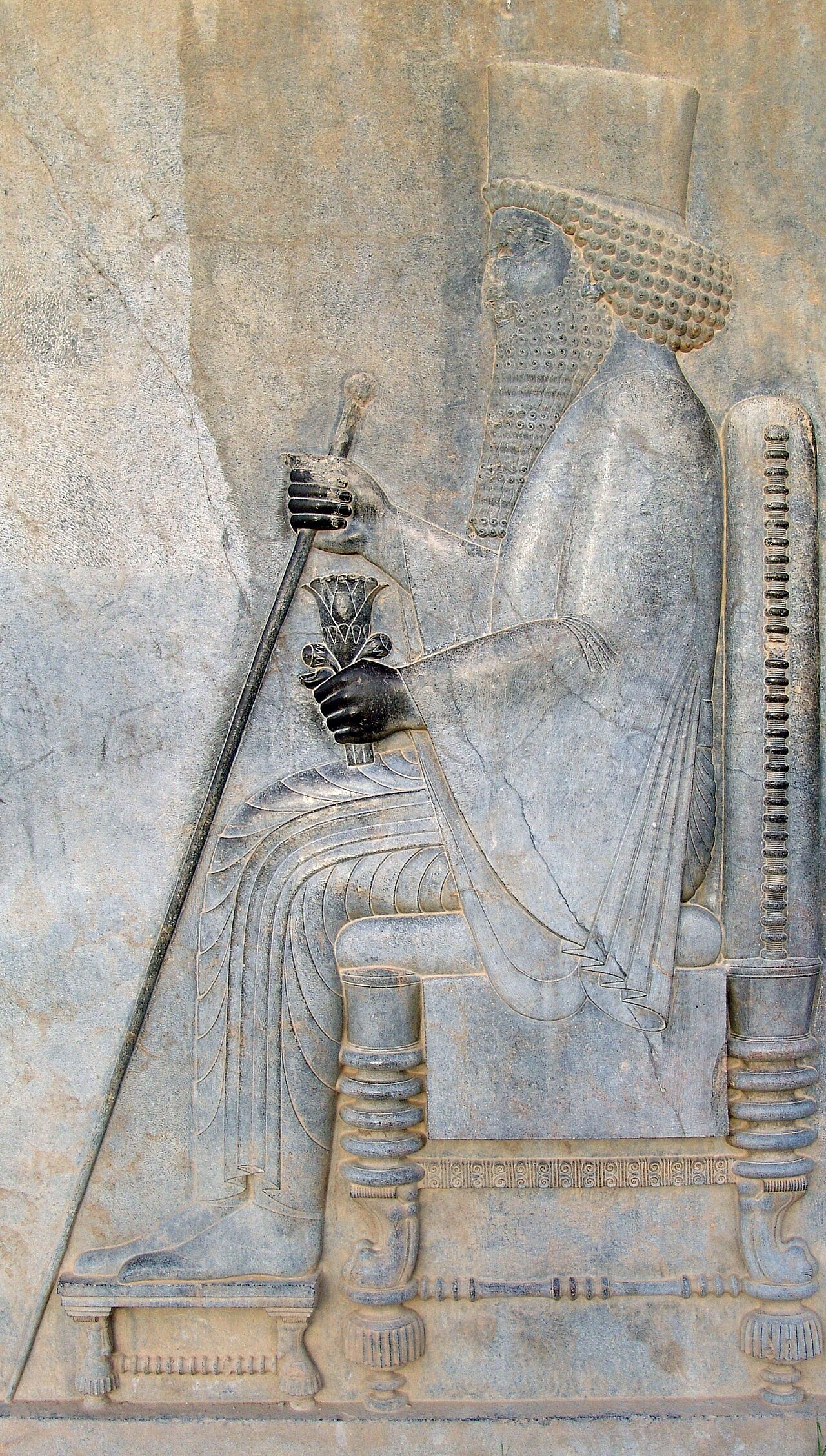
Darius III (born Artashata, called Codomannus in Greek sources; c. 380–July 330 BC) was the final ruler of the Achaemenid Empire. He took the regnal name Darius on accession and is often described as the last Persian Shah of classical antiquity. His reign, from 336 to 330 BC, coincided with the rise of Alexander of Macedon and the decisive collapse of imperial Achaemenid authority across western Asia.
Artashata came to the throne at a moment of internal intrigue and weakened central control. Sources indicate he rose from among the Persian nobility and was elevated after a brief sequence of palace murders and power struggles. He adopted dynastic ceremonial practices and attempted to reassert royal authority over fractious satraps and subject peoples, but his control was tested by revolts and the external threat posed by Macedon.
Image gallery
10 Images



Military conflicts with Alexander
The defining events of his reign were the campaigns waged by Alexander the Great. Darius marshalled large armies drawn from the empire's diverse provinces and confronted the Macedonian king on several occasions. The struggle included pitched battles, strategic withdrawals and attempts at negotiated settlement. Despite superior numbers at times, Persian forces suffered critical defeats that shattered their ability to contest Macedonian advances.
- Key engagements: the confrontation at Issus (333 BC), where Alexander captured members of Darius's family, and the decisive battle at Gaugamela (331 BC), which opened the path to the imperial capitals.
- Darius is recorded to have attempted negotiations and offers to cede territory or pay ransom in order to secure safety for his family and buy time, but such overtures failed to halt Alexander's advance.
After Gaugamela Darius fled east, seeking to gather new forces and preserve the heart of the empire. His flight exposed the fragility of royal command: several regional governors either defected or asserted local autonomy rather than rallying to defend the crown. The breakdown of imperial cohesion accelerated the collapse of centralized Perso-Achaemenid rule.
Darius's life ended violently in mid-330 BC when he was murdered by one of his satraps during the retreat. Reports attribute the killing to the governor Bessus (a satrap of Bactria) and his conspirators, who sought to slow Alexander by removing the Persian ruler and proclaiming their own authority. Alexander later located Darius's remains, treated him with honors and presented himself as the avenger of the fallen king.
Legacy: Darius III represents the terminal phase of the Achaemenid dynasty and the transition from Persian imperial rule to the Hellenistic successor states. Ancient authors offer mixed portraits of him — often sympathetic as a beleaguered monarch overwhelmed by events — while modern scholarship situates his failure amid structural problems in the empire, the energy of Macedonian warfare, and the fractious loyalties of the satrapal system. His reign marks a pivotal turning point in Near Eastern history, after which Persian institutions were adapted by new rulers rather than wholly extinguished.
Further reading and reference materials may be found through general historical surveys and specialized studies of the late Achaemenid period, the Macedonian campaigns, and Persian imperial administration. For introductions to related topics see Persia and comparative summaries of Achaemenid governance and succession.
Persian | Shah | Achaemenid Empire | Persia | dynastic
Related articles
Author
AlegsaOnline.com Darius III — Last King of the Achaemenid Persian Empire Leandro Alegsa
URL: https://en.alegsaonline.com/art/117144
Sources
- books.google.com : The Wars of Alexander the Great