
Kashan: historic Iranian city of gardens, ceramics and rosewater
Kashan is a historic city in central Iran, known for the Sialk mounds, Fin Garden, traditional houses, ceramics, carpets, and rosewater production; a cultural stop between Tehran and Isfahan.
Overview
Kashan is a city in Iran on the central plateau, situated historically in the cultural orbit of Isfahan. It lies roughly two hundred kilometres from Tehran and has long served as a regional market and caravan stop. Contemporary population estimates place the city itself at around 275,000 (2012), with the wider urban area variously reported in the several-hundred-thousand range (metro figures).
Image gallery
10 Images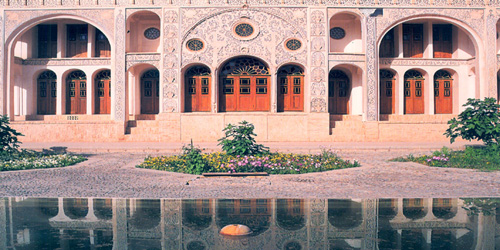



Geography and climate
Kashan stands at the margin of an arid zone, bordering desert landscapes to the south and adjacent to an oasis system that has supported settlement and cultivation for millennia. The town sits along inland routes such as the road linking Qom and Kerman. Local water management historically relied on qanats and springs to irrigate gardens and orchards. The city has a continental, dry climate (arid conditions) with pronounced seasonal contrasts: hot summers and cold winters, marked diurnal temperature swings and low annual rainfall. Its position near the desert makes it an example of settlement at the edge of an ecological transition, with cultivated oases (oasis) sustaining horticulture.
History and archaeology
The region around Kashan has a long record of human occupation. The prehistoric Sialk mounds just outside the modern city contain remains from early farming communities and later Bronze Age settlement, providing evidence for long-term habitation and craft production. In the Middle Ages Kashan was noted as a centre for ceramic and tile production; fragments and historical accounts show the town's contribution to Persian decorative arts. Over many centuries Kashan grew as a craft centre and market town, interacting with broader political and trade networks across central Iran.
Architecture and gardens
- Fin Garden (Bagh-e Fin) — a notable Persian garden combining architecture, water features and plantings, often cited as an example of traditional garden design.
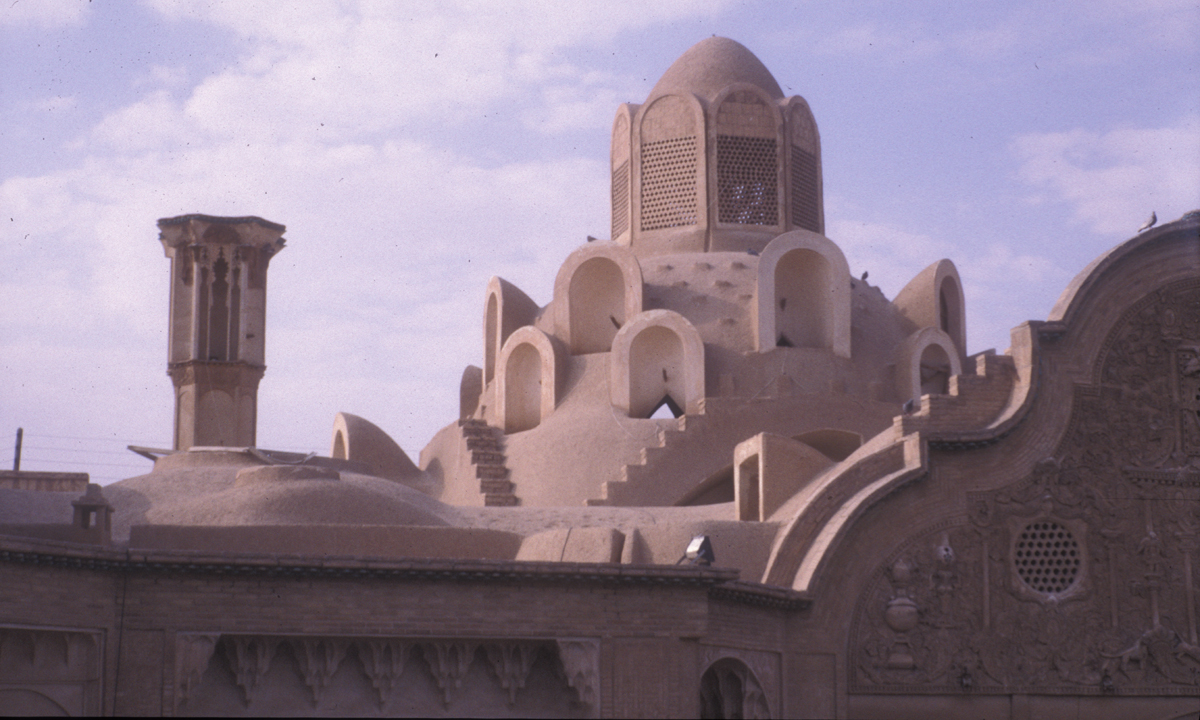
- Historic merchant houses — well-preserved 18th–19th century houses, such as those with windcatchers, central courtyards and elaborate stucco and painted decoration, reflect domestic architecture adapted to climate and social life.
- Sialk mounds and archaeology — archaeological sites that illustrate prehistory and early urban development in the region.
Economy, crafts and culture
Kashan's economy historically and today includes textile production, carpet weaving and ceramic manufacture; the city remains known for handicrafts and decorative tilework. The surrounding gardens produce rose petals and distilled rosewater, an enduring culinary and cultural product associated with annual harvests and local craftsmanship (textiles and crafts are a long-standing feature).
Tourism and visiting
Visitors come to Kashan to explore its gardens, traditional houses, bazaars and archaeological sites, and to observe crafts such as pottery and rosewater distillation. The combination of desert-edge geography, preserved domestic architecture and a history of pottery and tilemaking makes Kashan a distinctive stop on itineraries through central Iran.
Conservation and study
Local and national efforts seek to conserve historic buildings, gardens and archaeological remains while balancing tourism and community needs. Research at sites such as Sialk continues to refine understanding of the region's long history. For practical information and further reading, many resources and travel guides note Kashan's role as a cultural hub between larger cities and its continuing traditions.
More on Kashan | Iran overview | Isfahan region | Tehran connections | local crafts | medieval history | demographic notes | Qom route | Kerman route | desert setting | oasis systems | climate details | summer weather | winter weather
Related articles
Author
AlegsaOnline.com Kashan: historic Iranian city of gardens, ceramics and rosewater Leandro Alegsa
URL: https://en.alegsaonline.com/art/52425