
Fluorite: mineral form of calcium fluoride, properties, uses and history
Fluorite (CaF2) is a widespread mineral prized for its colors, fluorescence and industrial value as the principal source of fluorine. It is used in metallurgy, optics, chemicals and as a collector's gemstone.
Overview
Fluorite is the naturally occurring mineral form of calcium fluoride. Chemically it is represented by the formula CaF2. Its simple composition masks a variety of appearances: transparent to opaque crystals occur in many colors, and some specimens glow under ultraviolet light. Fluorite is the primary commercial source of fluorine and related compounds and plays a central role in several industrial processes.
Image gallery
10 Images




Physical and crystallographic characteristics
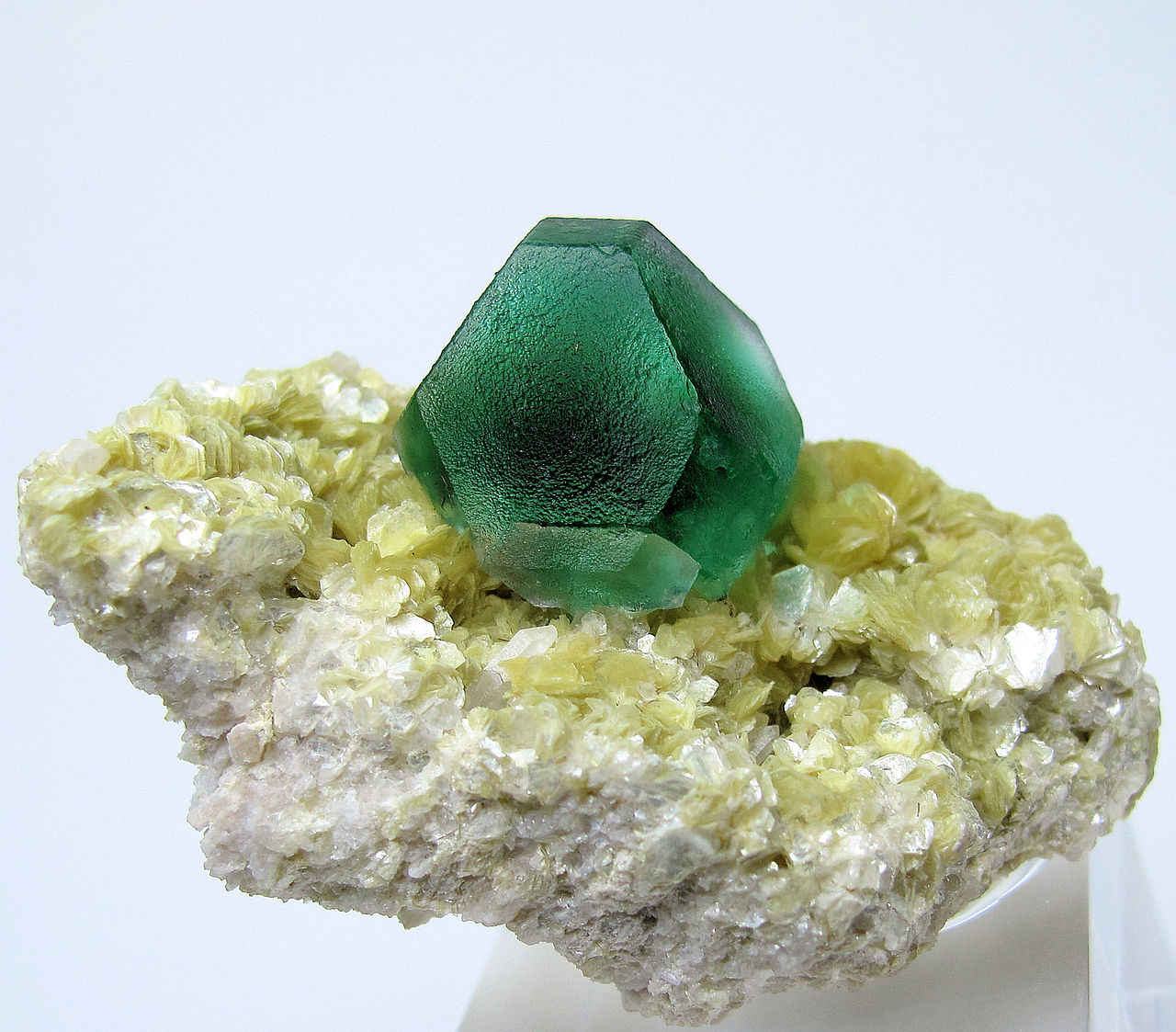
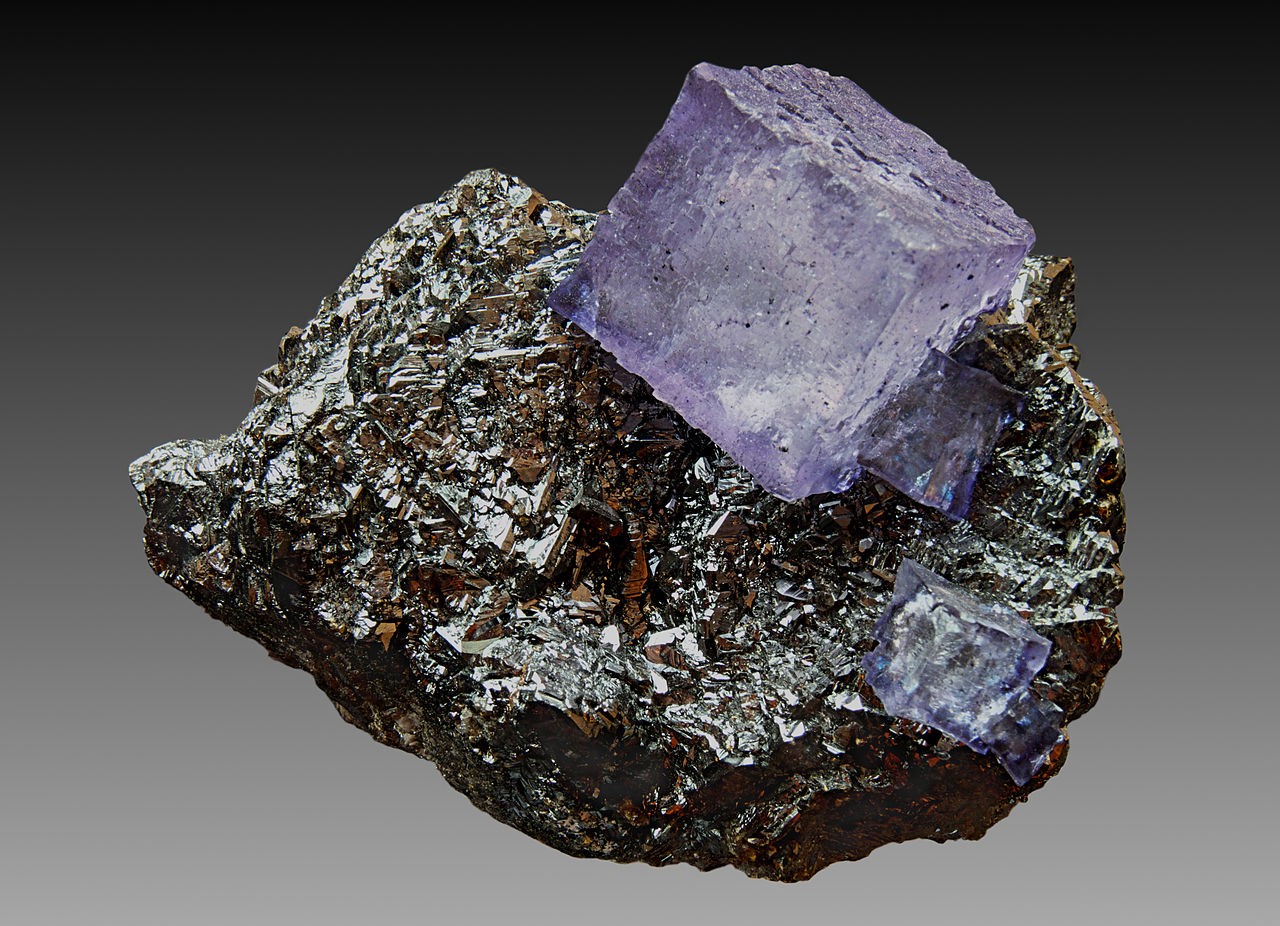
Fluorite crystallizes in the isometric (cubic) system and commonly forms well-defined cubes, octahedra or combinations of those shapes. It shows perfect octahedral cleavage and has a relatively low Mohs hardness of about 4, which makes it easy to carve but vulnerable to abrasion and damage. Coloration ranges from colorless through purple, green, blue, yellow and brown; these colors arise from trace impurities, structural defects and exposure to radiation. Many specimens exhibit fluorescence, a property so notable that the phenomenon was named after fluorite.
Occurrence and mining
Fluorite is widely distributed in hydrothermal veins, carbonate replacements and some igneous and metamorphic rocks. Major modern producers include China, Mexico and Russia, though important deposits are found worldwide. Industrial-grade material—often called fluorspar—is mined for use in chemical manufacture and metallurgy, while gem-quality and fluorescent crystals are sought after by collectors.
Uses and applications
- Industrial chemistry: fluorite is the principal raw material for producing hydrogen fluoride and other fluoride chemicals, which in turn are precursors to refrigerants, fluoropolymers and specialty compounds.
- Metallurgy: used as a flux to lower melting temperatures in steel and aluminum production.
- Optics: optical-grade fluorite has exceptionally low dispersion and is employed in high-end camera lenses and telescopes to reduce chromatic aberration.
- Collecting and lapidary: attractive crystals are cut and polished for display or carved into ornamental objects, though its softness limits use in jewelry subjected to wear.
Health, environment and water
Because it contains fluorine, fluorite is a raw source for fluoride compounds used in water fluoridation and dental products. In some regions natural mineral deposits contribute to the natural fluoridation of groundwater. Proper management of mining and processing is important to minimize environmental release of fluoride and other byproducts.
History and notable facts
The common name fluorspar historically refers to fluorite used as a flux (from Latin fluere, "to flow"). The mineral's fluorescent behavior was prominent in 19th-century studies; the term "fluorescence" derives from fluorite. In addition to its industrial importance as a source of fluorine, fluorite remains valued by geologists and collectors for its clear crystal habits, striking colors and educational value in demonstrating mineral properties.
Related articles
Author
AlegsaOnline.com Fluorite: mineral form of calcium fluoride, properties, uses and history Leandro Alegsa
URL: https://en.alegsaonline.com/art/35281