
Bulb (botany): underground plant storage organ and ornamental/food source
A bulb is a subterranean plant storage organ (a geophyte) that stores nutrients during dormancy and enables annual regrowth. Common in ornamental and food plants, bulbs differ from corms, tubers and rhizomes.
A bulb is a specialized underground storage organ found in many perennial plants. It consists of concentrated reserves of photosynthate and growing tissue that allow the plant to survive a dormant period, then produce a new shoot when conditions return. Bulbs are a common form of geophyte and are distinct from the electrical device also called a lightbulb.
Image gallery
7 Images


Anatomy and types
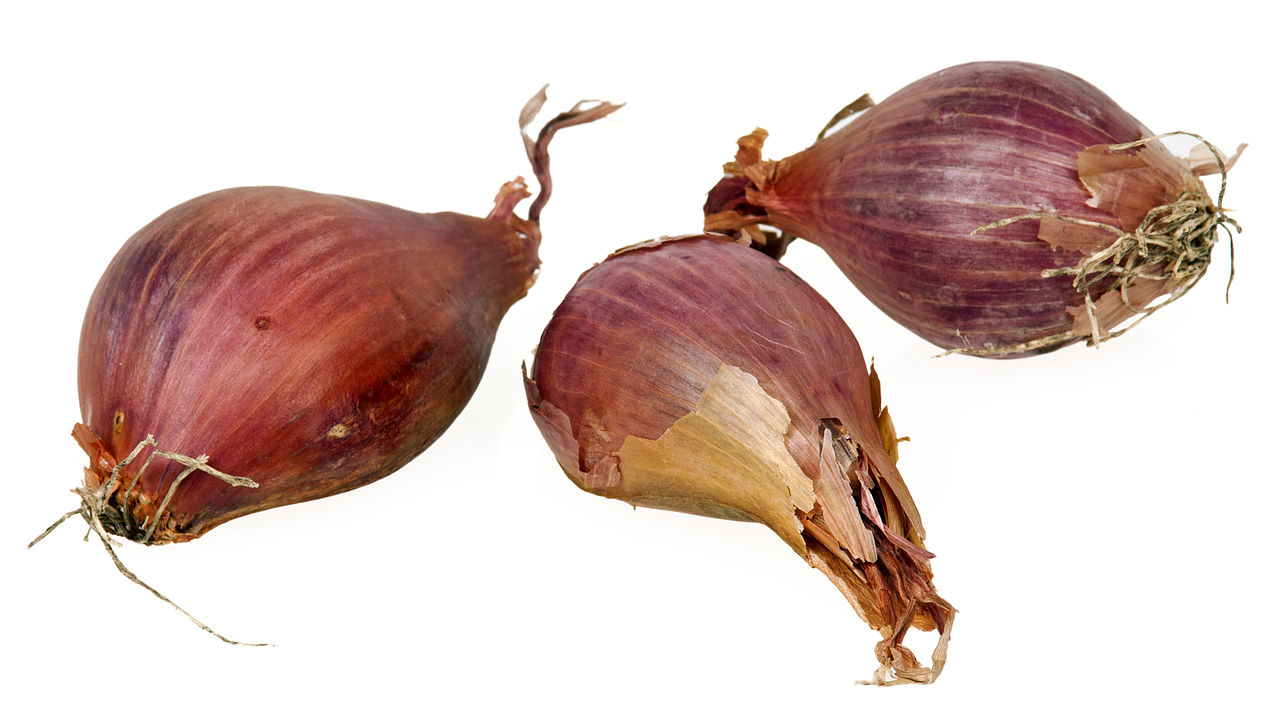
Typical bulbs have a basal plate from which roots emerge, fleshy storage scales (modified leaves) that contain carbohydrates, and an embryonic shoot. Some bulbs are covered by a protective papery tunic, while others are scaly and lack a tunic. Horticulturists often separate bulbs into types such as tunicate (onion-like) and scaly (lily-like).
Examples and cultivation
Many familiar food and ornamental species form true bulbs. Food examples include onions and garlic. Popular flowering bulbs are lilies, tulips and some irises. Bulbs are usually planted into soil at a season and depth appropriate to the species; many require a period of cool temperatures to break dormancy and flower. Growers force bulbs indoors to produce blooms out of season, and bulbs are commonly multiplied by division after several years of growth.
Lifecycle and uses
During dormancy the bulb serves as a storage organ (stored food) so the plant can rapidly renew leaves and flowers when conditions improve. Bulbs support both vegetative regrowth and reproduction by producing offsets or seeds. Humans cultivate bulbs both for culinary use and for landscaping; historical and economic interest in bulbs includes events such as the famed popularity of tulips in Europe.
Related organs and distinctions
Bulbs are one type of underground storage structure and are often compared with other organs:
- Bulbs (this article): layered scales attached to a basal plate.
- Corms: swollen, solid stems with a tunic-like covering.
- Tubers: enlarged fleshy stems or roots (for example, potatoes are tubers).
- Tuberous roots and rhizomes: other forms of swollen roots and horizontal stems.
- Pseudobulbs: storage organs in some orchids, structurally different from true bulbs.
Understanding these distinctions helps gardeners choose proper planting techniques and storage methods. Bulbs can be susceptible to rot and pests, so dry storage and appropriate planting depth are important for longevity. For further basic cultivation and identification guides, consult horticultural resources and species-specific advice available through specialist references and extension services (dormancy and care notes).
For concise reference on related forms and propagation, see additional resources on corms, tubers and geophytes that explain structural differences and typical examples in cultivation or wild habitats.
Related articles
Author
AlegsaOnline.com Bulb (botany): underground plant storage organ and ornamental/food source Leandro Alegsa
URL: https://en.alegsaonline.com/art/15214