
Amaryllidaceae — the amaryllis family of flowering plants
Amaryllidaceae is a family of mostly bulbous monocot flowering plants that includes daffodils, amaryllis, snowdrops and, in modern classifications, the onion group; important ornamentals, food sources, and subjects of study.
Overview
The Amaryllidaceae, commonly called the amaryllis family, is a group of monocot flowering plants notable for many bulbous and perennial species. Members are widely cultivated for their showy blooms and include familiar garden and indoor bulbs. Modern taxonomic treatments broaden the family to include several related groups formerly treated as separate families; for authoritative summaries see taxonomic resources.
Image gallery
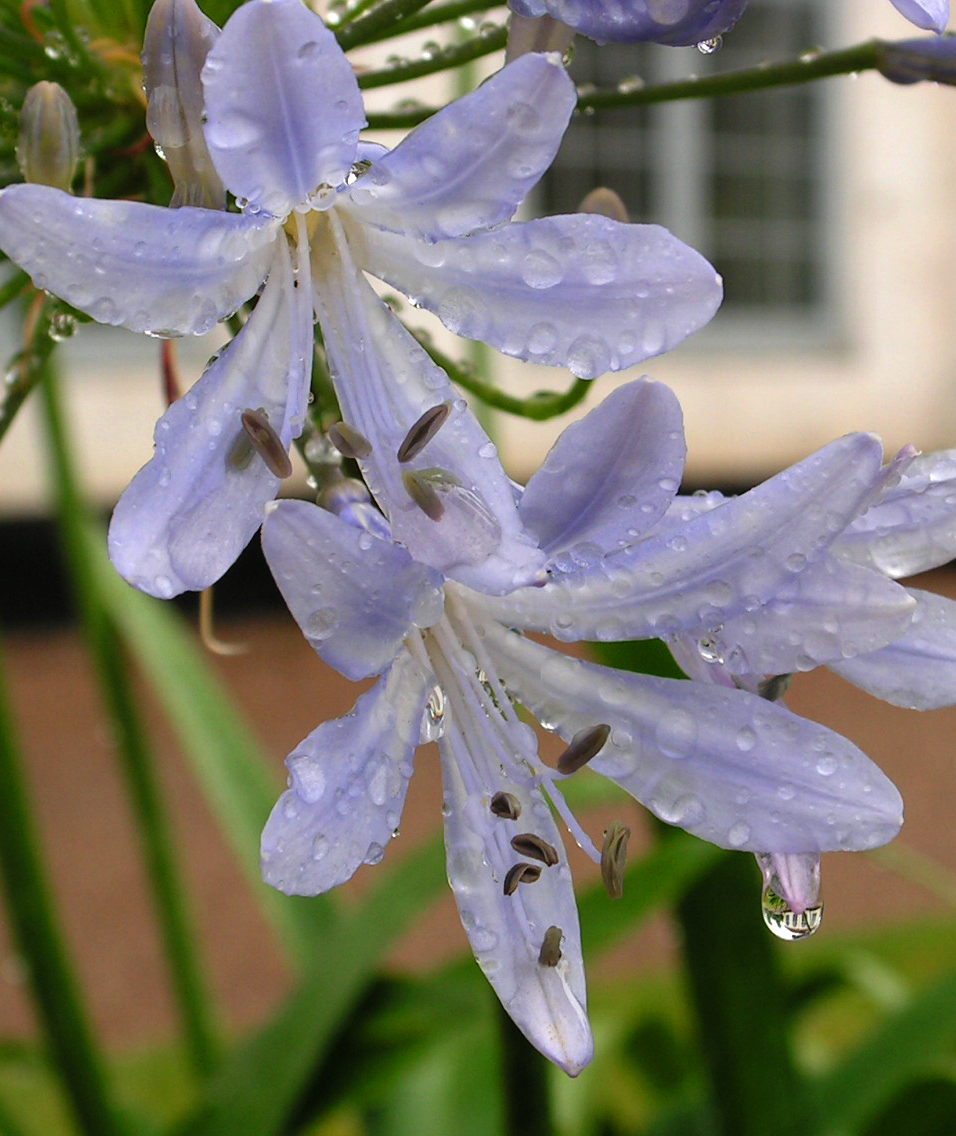
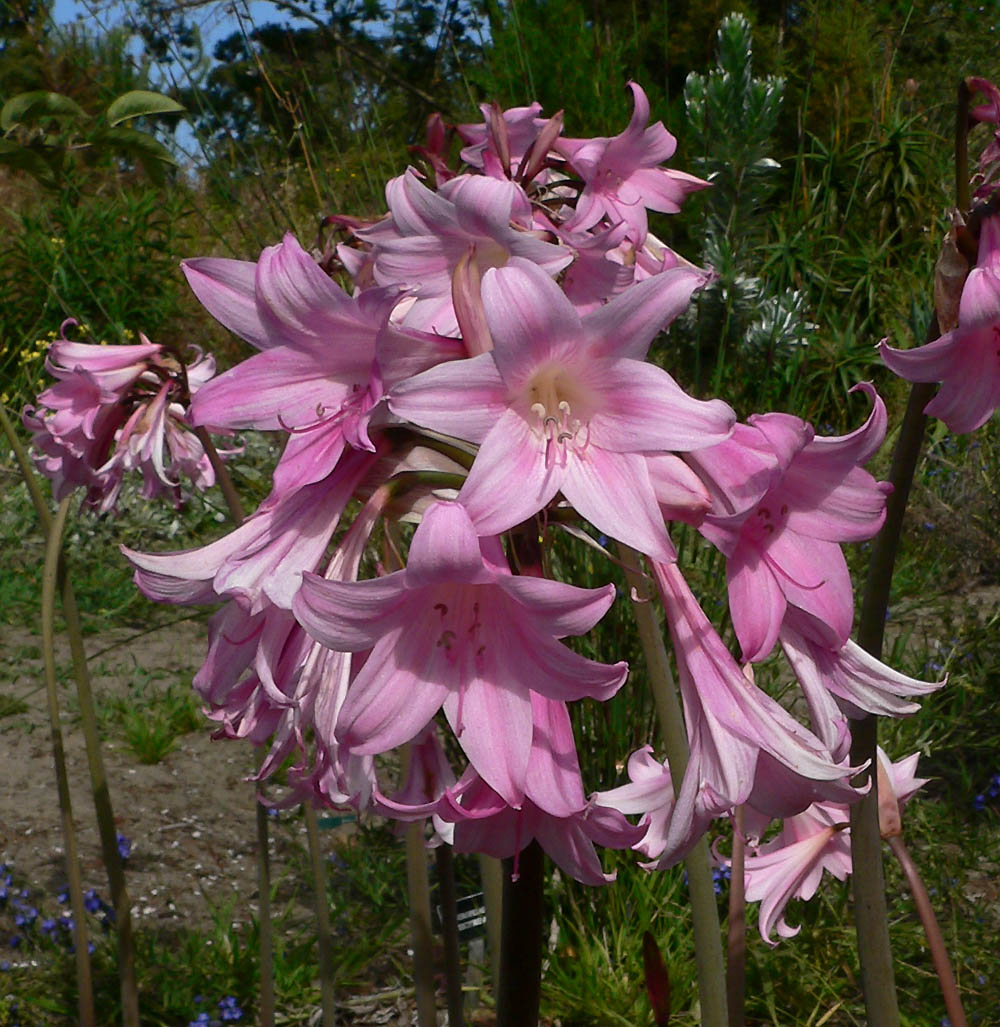
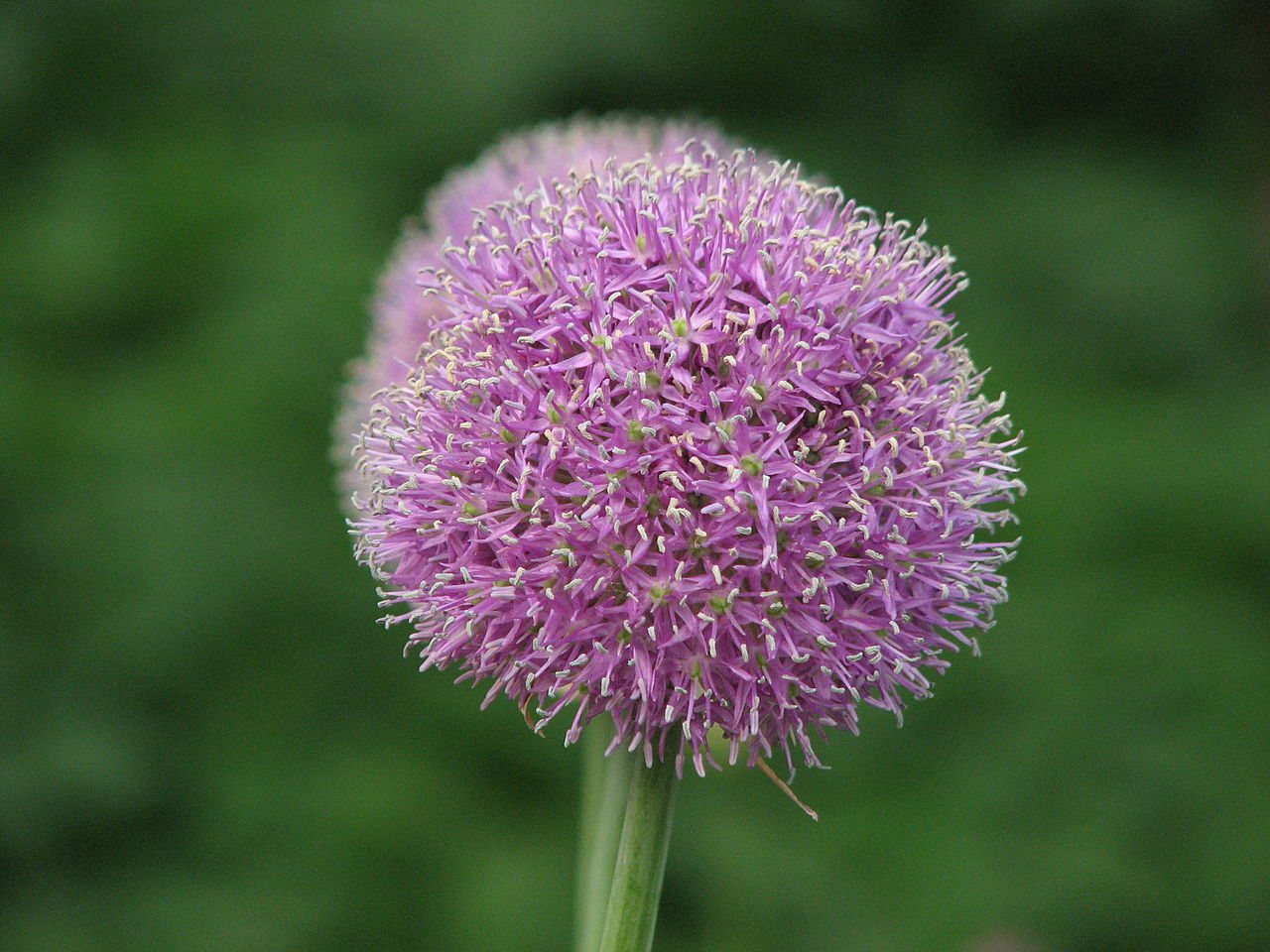
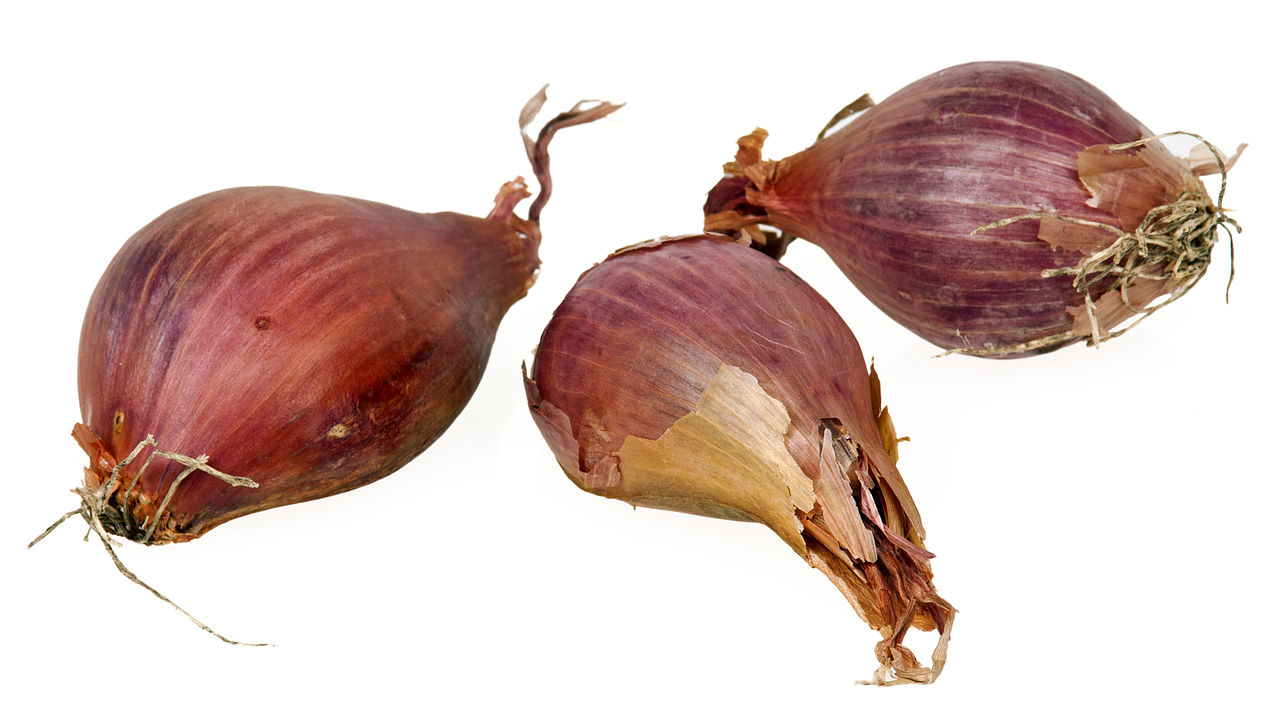
10 Images



Characteristics
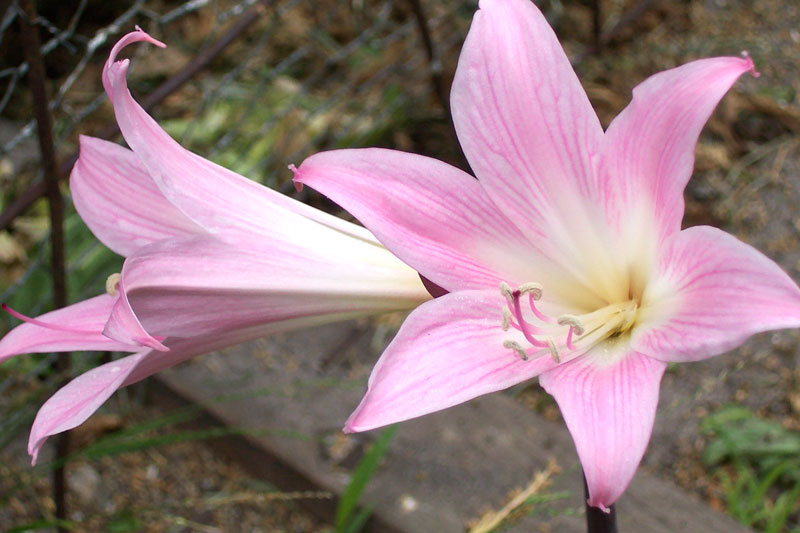
Plants in this family are most often herbs arising from bulbs, tunicate bulbs, or sometimes rhizomes. Leaves are usually basal and strap-shaped, and flowers are typically arranged in umbels, solitary blooms, or spikes. Flowers commonly have six tepals and a variable number of stamens; many species produce conspicuous floral structures adapted for insect pollination. Many members store nutrients in bulbs, which aids survival through seasonal dormancy.
Distribution and historical development
Amaryllidaceae species have a cosmopolitan distribution but are especially diverse in Mediterranean climates, southern Africa, and South America. Historically, botanists have split and merged related groups; for example, plants now placed in subfamilies such as Allioideae (the onion group) and Agapanthoideae were once treated as separate families. Late 20th- and early 21st-century molecular studies prompted the broader circumscription used in contemporary classifications.
Uses and cultural importance
Many Amaryllidaceae are economically and culturally significant. Ornamental genera like Narcissus (daffodils), Hippeastrum and Amaryllis are valued for spring and holiday blooms. The group that includes Allium (onions, garlic, chives) contributes major culinary crops and flavorings when recognized as a subfamily within Amaryllidaceae. Several species produce biologically active alkaloids that have been investigated for medicinal and biochemical applications.
Notable genera and distinctions
- Narcissus — daffodils, widely grown spring bulbs.
- Hippeastrum and Amaryllis — large showy bulbs popular as indoor flowering plants.
- Galanthus — snowdrops, early spring bloomers often prized by gardeners.
- Allium — onions, garlic and related species; culinary staples when treated as Allioideae within the broader family.
Distinguishing Amaryllidaceae from similar monocot families often requires examination of flower structure and ovary position, as well as modern genetic data used in contemporary classification. For gardeners, horticulturists and botanists alike, the family combines striking ornamental diversity with practical crops and interesting chemical properties.
Tags
Related articles
Author
AlegsaOnline.com Amaryllidaceae — the amaryllis family of flowering plants Leandro Alegsa
URL: https://en.alegsaonline.com/art/3236