
N Seoul Tower (Namsan Tower)
Prominent communications and observation tower on Namsan in central Seoul, South Korea. A city landmark with observatories, restaurants, seasonal lighting, and panoramic views across Seoul.
Overview
The N Seoul Tower, commonly called Namsan Tower or Seoul Tower and officially known for sponsorship reasons as the YTN Seoul Tower, is a prominent landmark rising above central Seoul, South Korea. Perched on Namsan (Mt. Namsan), the structure and the site together reach a summit often reported as 479.7 metres above sea level. The tower functions as a broadcast and communications facility and as a public attraction, offering panoramic views, dining, and cultural displays.
Image gallery
10 Images


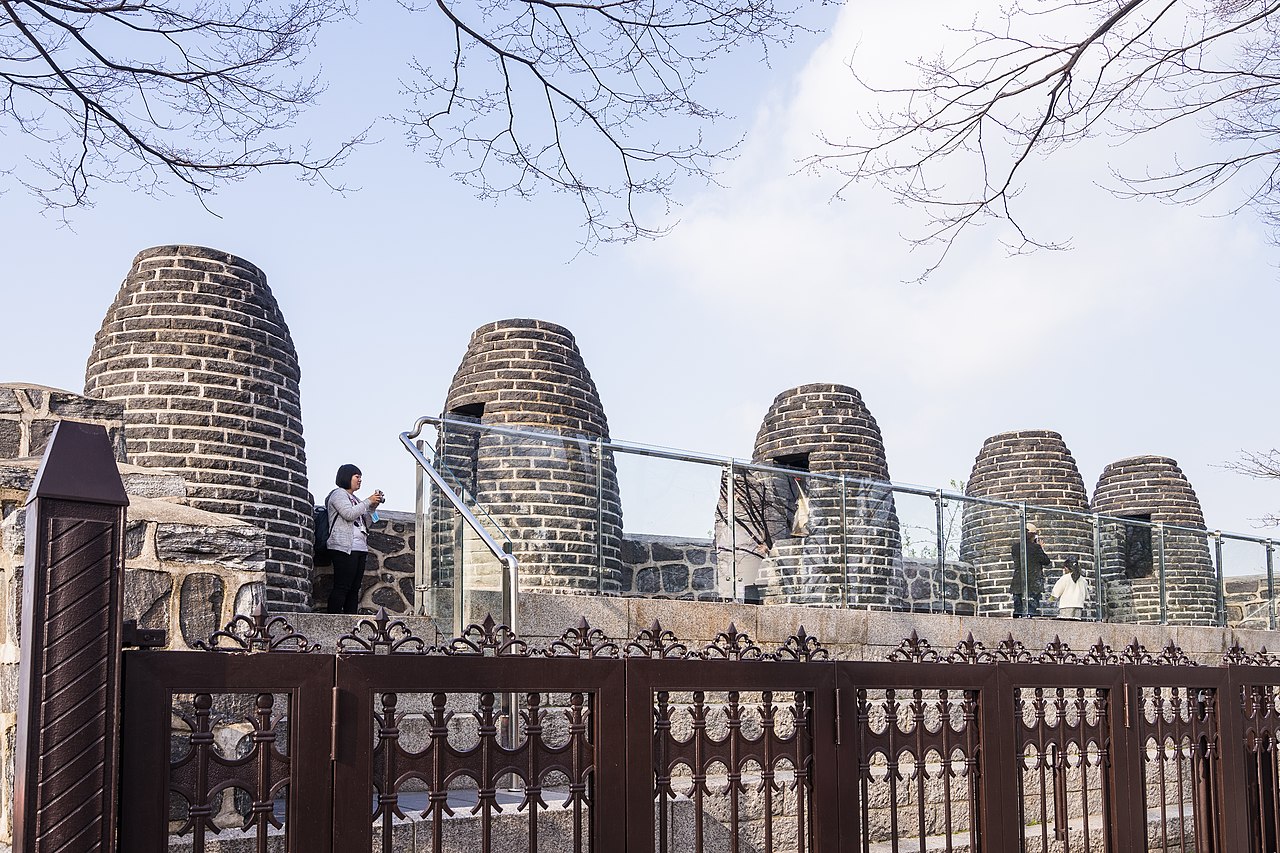

Characteristics and facilities
The complex includes multiple observation levels, indoor and outdoor viewing platforms, cafés, souvenir shops and at least one restaurant with a rotating section designed to give diners changing views of the city. Facilities typically feature telescopes or binocular stations, multimedia exhibits about Seoul’s skyline, and seasonal lighting installations that illuminate the tower after dark. The site is accessible by hiking trails, a public bus route, and a popular cable car that connects the base of Namsan to the tower precinct.
History and development
Built as part of Seoul’s communications infrastructure, the tower later expanded its role into tourism and civic events. Over time it has been renovated and rebranded to strengthen its identity as a symbol of the city and to improve visitor amenities. Partnerships with media and commercial sponsors have shaped its official names and programming, while municipal efforts have emphasized preservation of surrounding parkland and pedestrian access.
Visiting and significance
The tower is a frequent stop for visitors seeking wide views of Seoul’s dense urban fabric, rivers and distant hills. It is also a cultural gathering point: seasonal light shows and exhibitions are common, and a terrace area is known for the so-called "love locks" where couples leave padlocks as tokens. Practical visitor information—such as opening hours, ticketing and special events—can be found through official channels and local tourism pages; for general reference see visitor information and event listings.
Features at a glance
- Function: Broadcast/communications plus public observation and dining.
- Views: Panoramic outlook across Seoul with day and night vistas.
- Access: Hiking trails, cable car, and public transportation options.
- Cultural elements: Lighting programs, exhibitions, and romantic traditions.
Further reading and resources
For authoritative descriptions of the tower’s role in the city’s skyline and for planning a visit, consult municipal and tourism resources. Official naming and sponsorship details can be found via media partners; local maps and directions are available through Seoul guides and transit sites. See the tower’s Korean-language references at official Korean name, location and context links at site details and broader city information at Seoul resources.
Related articles
Author
AlegsaOnline.com N Seoul Tower (Namsan Tower) Leandro Alegsa
URL: https://en.alegsaonline.com/art/68026