
Nanjing Museum
A leading state museum in Nanjing, China, housing extensive collections of Chinese art and antiquities; notable for its historic main building, research role, and location near Purple Mountain.
Overview
The Nanjing Museum is a major cultural institution in eastern China, occupying a landscaped site at the southern foot of Purple Mountain. The museum sits between the historic Zhongshan Gate to the east and the remains of an early Ming imperial palace to the west. Covering a substantial urban plot, it functions as both a public exhibition space and a center for research into Chinese material culture.
Image gallery
10 Images




Origins and development
The museum traces its origins to an early 20th-century initiative led by prominent cultural figures who sought to create a comprehensive national museum. The initial plan envisioned three principal halls—focused on humanities, handicrafts and natural history—but only the main hall for humanities was completed in the original phase. After the political changes of 1949, the institution was reorganized, took the name Nanjing Museum, and entered a sustained period of archaeological work, collection growth, and public programming.
Architecture and layout
The main building was designed with historical reference to traditional northern Chinese roof forms and is notable for its tile-clad roofs and formal, monumental facades that give it a solemn presence. While the first building reflects revivalist architectural influences, the museum complex has expanded over time with additional exhibition spaces, storage facilities and conservation laboratories to meet modern museological standards. Galleries are arranged to support both permanent displays and rotating exhibitions.
Collections and exhibitions
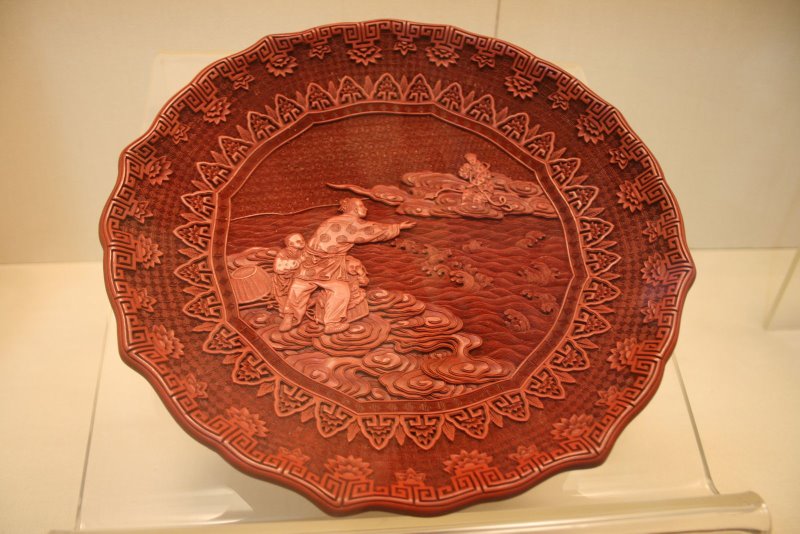
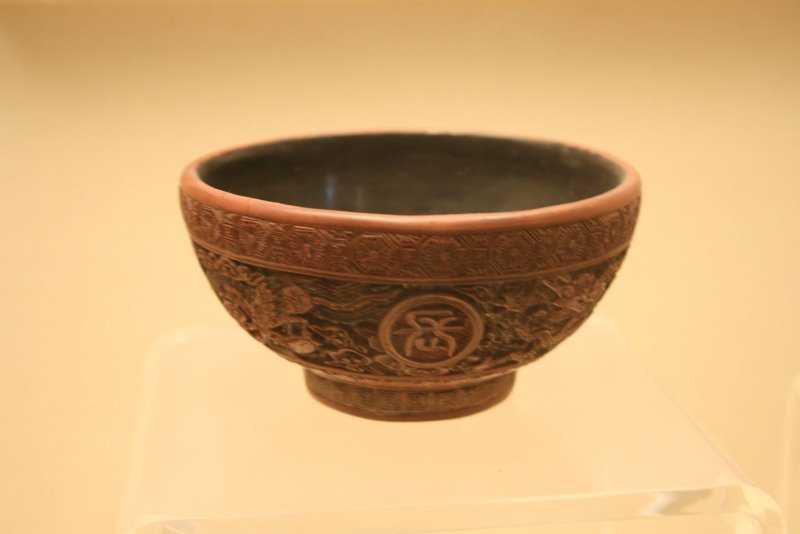
The museum's holdings emphasize Chinese cultural heritage, spanning categories such as bronzes and ritual objects, ceramics and pottery, jade and stone carving, traditional painting and calligraphy, textile arts, and archaeological finds from regional excavations. Permanent galleries present chronological and thematic narratives of Chinese history, while temporary exhibitions allow the institution to display specialized topics and to feature loans from other museums.
Research, conservation and public programs
Beyond display, the Nanjing Museum conducts conservation work, cataloguing and scholarly research. Staff participate in archaeological fieldwork in the surrounding region and publish findings for academic and public audiences. Educational activities include guided tours, lectures, workshops and materials designed for students and families, reinforcing the museum's role as both an academic and civic resource.
Significance and visiting notes
As one of China's earliest state-level museums, it occupies a distinctive place in the country's museum history and cultural landscape. Its proximity to important historical sites makes it a common stop for visitors interested in imperial history and archaeology. Practical visitor information—such as opening hours, ticketing, and current exhibitions—is typically available from the museum itself or through local cultural listings.
- Location: Southern slope of Purple Mountain, near Zhongshan Gate.
- Main focuses: archaeology, fine arts, historical artifacts.
- Functions: exhibitions, research, conservation, education.
Questions and answers
Q: What is Nanjing Museum?
A: Nanjing Museum is a comprehensive state museum covering an area of 70,000 square meters, located at the southern foot of the beautiful Purple Gold Mountain in China.
Q: Where is Nanjing Museum located?
A: Nanjing Museum is located at the southern foot of the beautiful Purple Gold Mountain, with Zhongshan Gate of the city on its east side and the remains of the imperial palace of the early Ming Dynasty on its west side.
Q: Who initiated the establishment of Nanjing Museum?
A: Cai Yuanpei and president of the state Central Research Academy were the ones who initiated the establishment of Nanjing Museum.
Q: What were the original plans for Nanjing Museum?
A: The original plans for Nanjing Museum were to build three exhibition halls including Humanity, Handicraft, and Nature halls. However, only the hall of Humanity was completed, which is the current main building.
Q: What is the style of architecture of Nanjing Museum's main building?
A: Nanjing Museum's main building imitates the style of Liao-Dynasty architecture, with the roof covered with golden tiles and looking solemn and magnificent.
Q: When did the museum enter into a new era of development?
A: The museum entered into a new era of development after 1949, when new China was founded.
Q: When was Nanjing Museum renamed and what significant activities were conducted following its renaming?
A: In March 1950, Nanjing Museum was renamed, and a number of major excavation activities were conducted in the following years.
Related articles
Author
AlegsaOnline.com Nanjing Museum Leandro Alegsa
URL: https://en.alegsaonline.com/art/68250