
Observatory
A facility for systematic observations of natural phenomena, most often astronomical sites with telescopes; sited for clear skies, low humidity and minimal light pollution.
Overview
An observatory is a purpose-built facility for systematic observations and measurement of natural phenomena. While the term most commonly evokes astronomical observatories that study the sky and celestial objects, observatories also serve meteorology, solar research, seismology and atmospheric monitoring. Their design emphasizes stable, repeatable data collection and protection of sensitive instruments.
Image gallery
10 Images

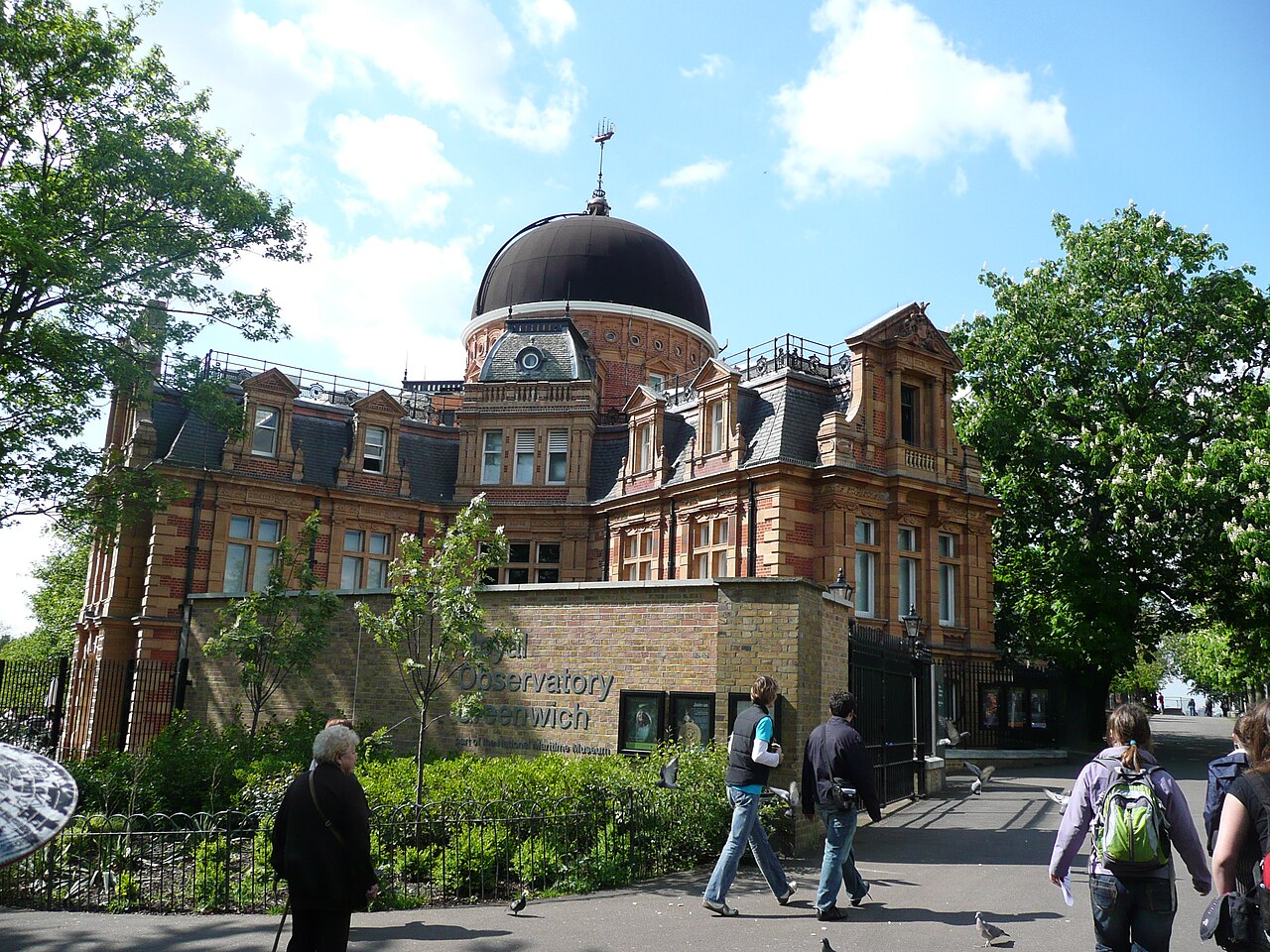


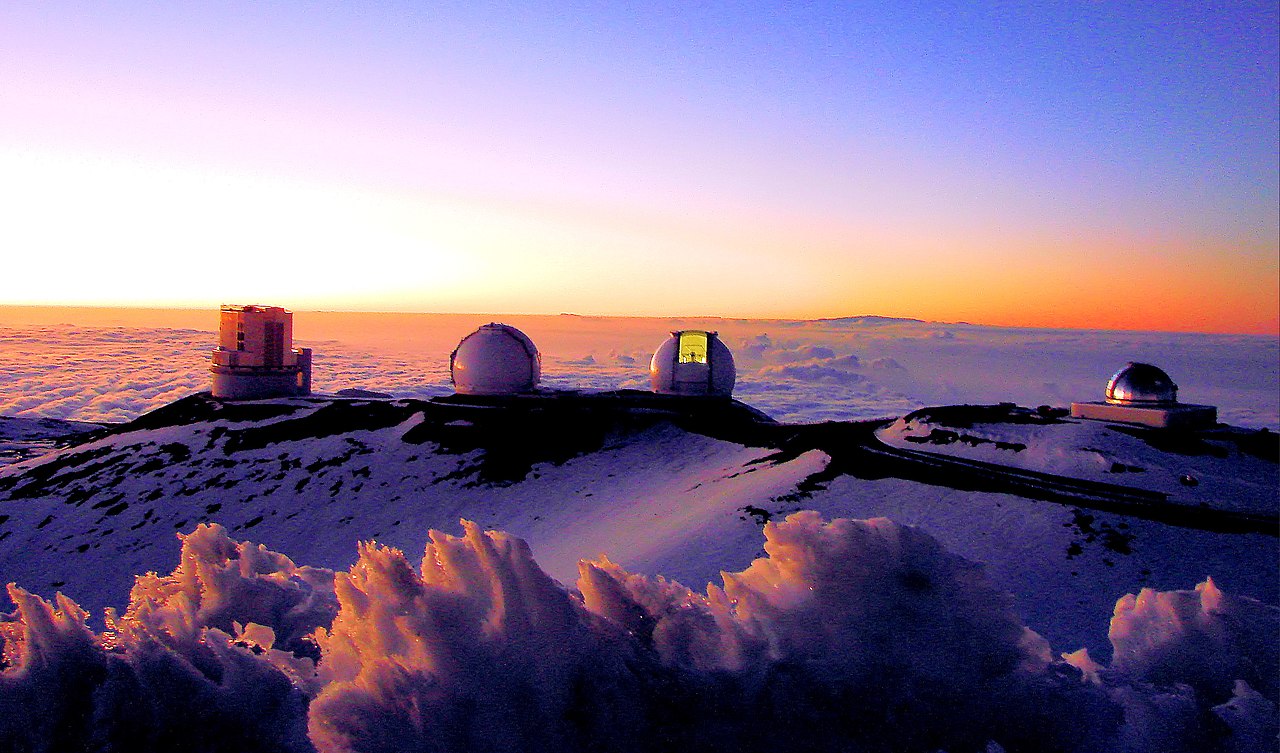

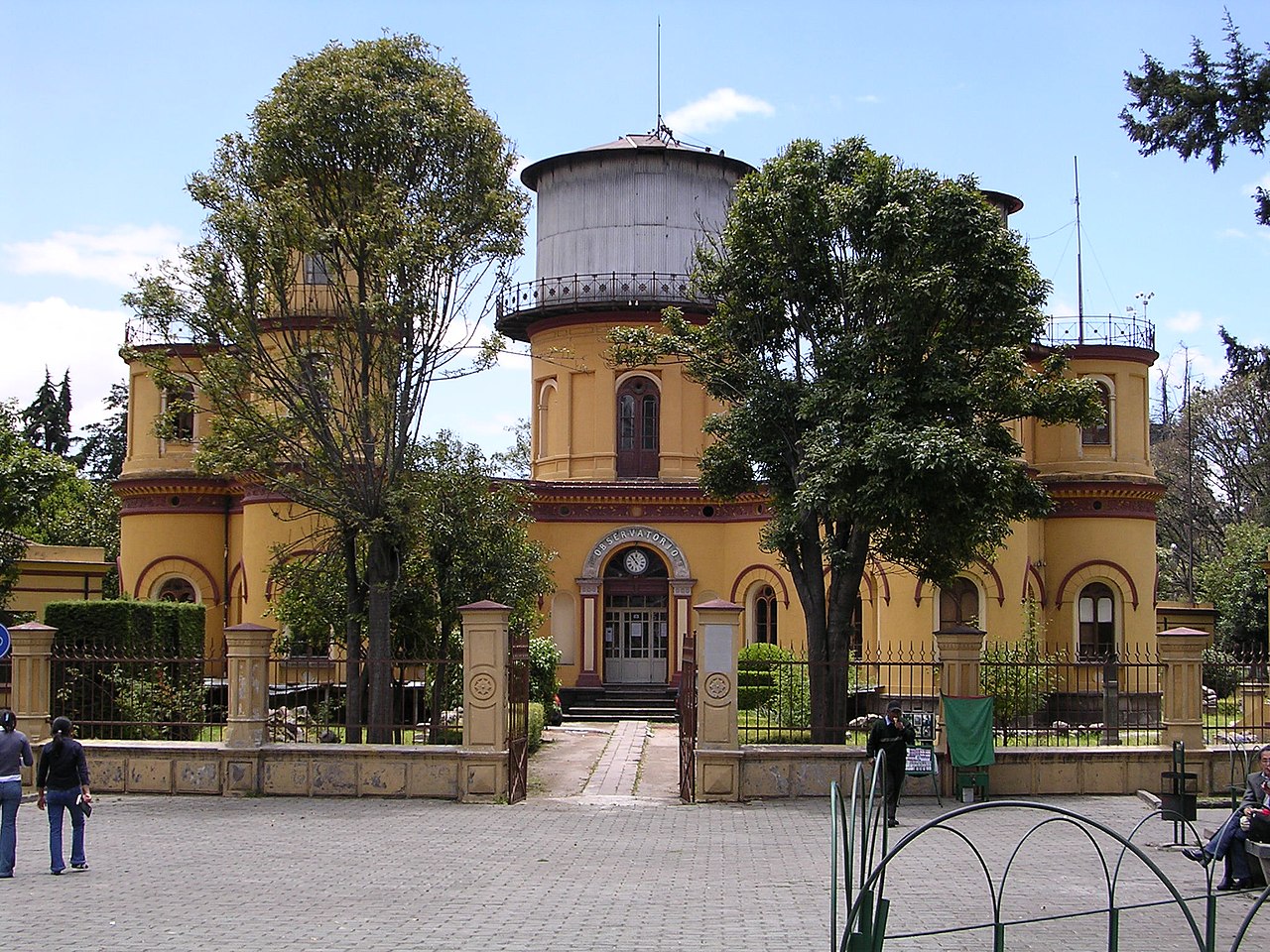

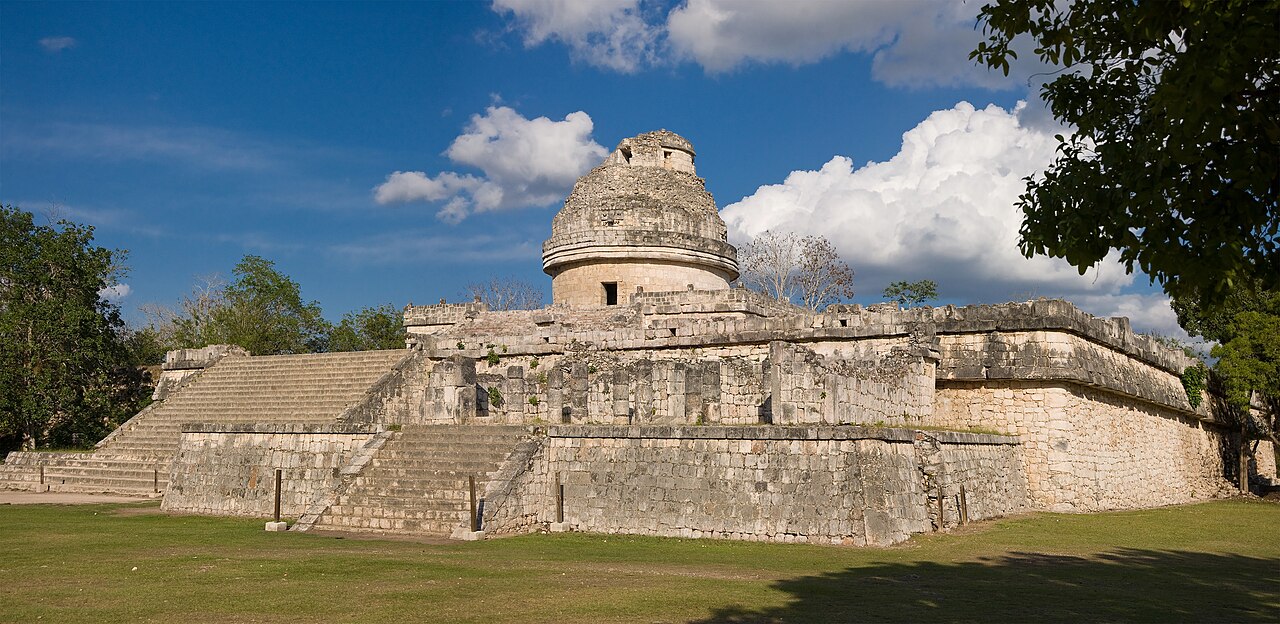
Components and siting
Modern astronomical observatories center around one or more large telescopes or detector arrays, often installed under domes or in retractable enclosures. Supporting facilities include control rooms, instrumentation workshops, data-processing centers and accommodations for technical staff and visiting scientists. The choice of site is critical: many are placed on high mountains or elevated hills to reduce atmospheric turbulence, humidity and absorption, which improves image sharpness and sensitivity.
Why location and light matter
Altitude, climate and local air stability strongly influence observational quality. Dry, high-altitude locations tend to offer clearer, steadier views and lower thermal emission, important for infrared and optical work. Equally important is minimizing urban glow: excessive light pollution makes faint objects harder to detect, so observatories are sited away from cities to help astronomers achieve the best possible signal-to-noise ratios.
History and technological development
From early towers and observatory rooms used for navigation and calendar work, facilities evolved into specialized complexes. Technological advances such as large segmented mirrors, radio dishes, adaptive optics, interferometry and space-based platforms extended reach across wavelengths and improved resolution. These developments transformed observatories into hubs of discovery and precision measurement.
Uses, types and public roles
- Scientific research: charting stars and galaxies, monitoring variable phenomena, discovering extrasolar planets and studying cosmic evolution.
- Specialized types: optical, radio, infrared, microwave, solar and space observatories each target different parts of the electromagnetic spectrum or different phenomena.
- Education and outreach: many observatories host public observing nights, lectures and school programs to bring astronomy to broader audiences.
Today, observatories range from remote mountaintop complexes to distributed networks of small automated telescopes and orbiting instruments. Together they provide complementary capabilities that advance scientific knowledge and practical applications, from timekeeping and navigation to climate monitoring and fundamental astrophysics. For further background, consult observational summaries and facility descriptions at institutional resources such as observational guides and overview pages on astronomical observatories.
Related articles
Author
AlegsaOnline.com Observatory Leandro Alegsa
URL: https://en.alegsaonline.com/art/71797