
Nanjing Temple of Confucius (Fuzimiao) — historic temple and market
Historic Confucian temple complex on the Qinhuai River in Nanjing, China, known for its traditional architecture, ritual halls and a large ancient-market district popular with visitors.
Overview
The Nanjing Temple of Confucius, often called Fuzimiao, is a temple complex dedicated to Confucius. It stands on the north bank of the Qinhuai River in Qinhuai District of Nanjing, in China. The site combines religious, educational and commercial functions and remains one of the city's most visited cultural landmarks.
Image gallery
10 Images



Layout and principal parts
The temple group includes multiple courtyards, ceremonial halls and pavilions arranged along axial courtyards typical of Confucian temple design. Key components commonly cited are the grand Dacheng Hall where rites for Confucius are conducted and a library or lecture pavilion for scholarly activities.
- Dacheng Hall (main ceremonial hall)
- Kuiwen Pavilion (scholarship and inscriptions)
- Memorial tablets and stone steles
History and development
The site originated as a center for Confucian worship and learning centuries ago and was expanded or rebuilt in successive dynasties. Over time it served both as a place for ritual ceremonies honoring Confucius and as an institutional symbol of state-supported education and moral instruction.
Cultural role and contemporary use
Historically the temple hosted rites, examinations, and scholarly gatherings; today it remains a venue for traditional ceremonies, museum displays and cultural events. Its architecture and inscriptions provide insight into the history of Confucian thought and local civic identity.
Market district and notable facts
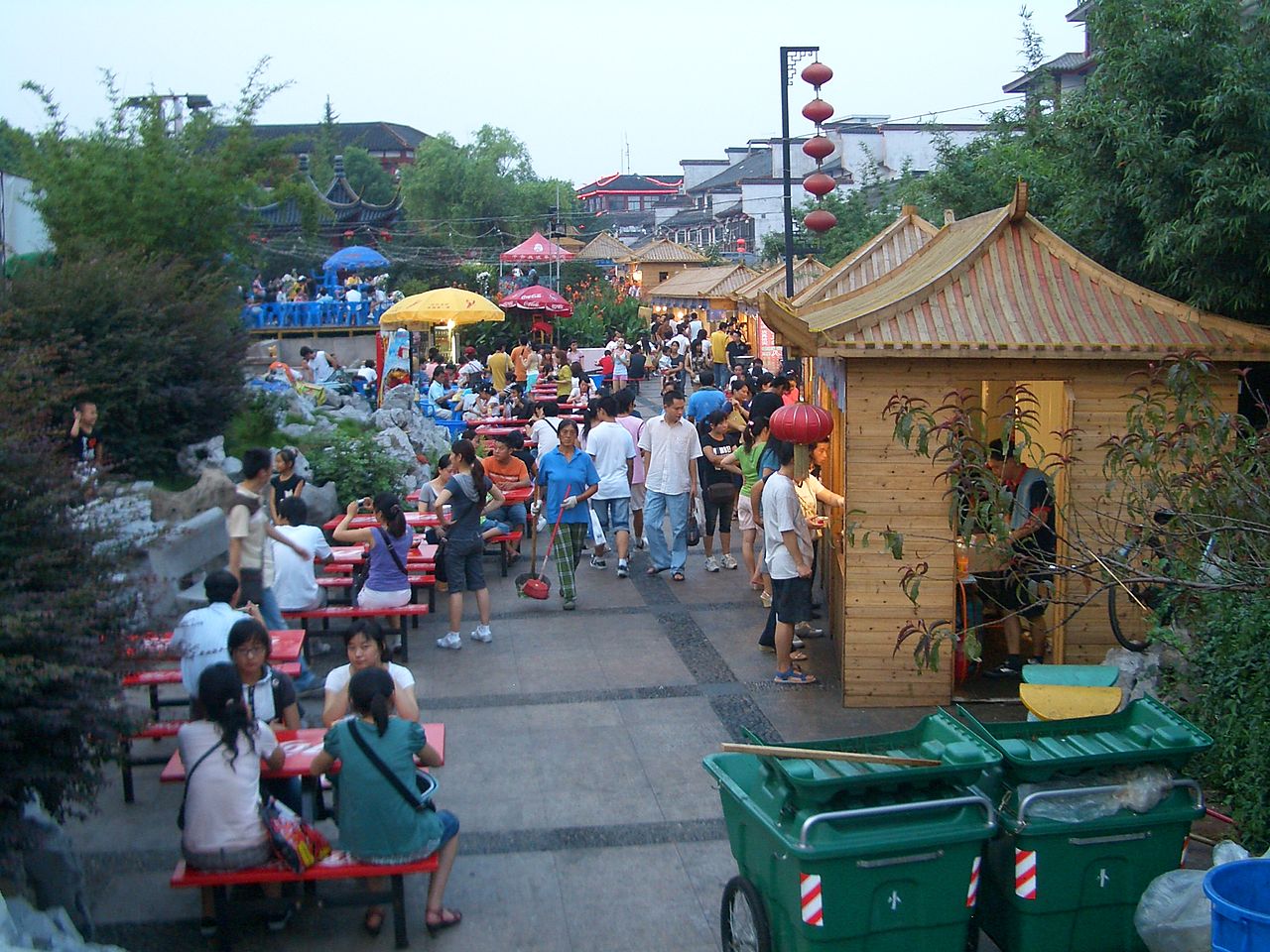
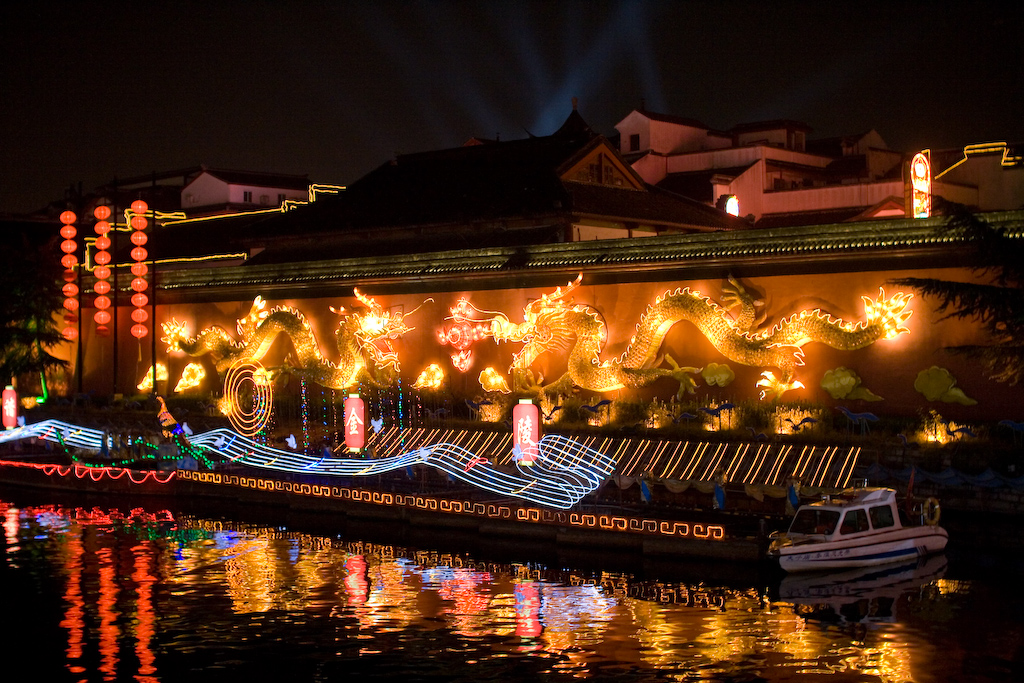
Adjoining the temple is a lively commercial quarter along the Qinhuai River with shops, restaurants and night markets. The area is regarded as one of China's largest preserved traditional market districts and is a focal point for tourism, seasonal festivals and local crafts. Visitors can explore riverside promenades, sample regional cuisine and view historic streets that have long connected commerce and culture in the city. For more on the site's cultural context see the local conservation and tourism resources via traditional market guides.
Distinctions and preservation
The Nanjing Temple of Confucius is valued both as a religious monument and as an urban heritage zone. Conservation efforts aim to balance tourism, religious practice and the preservation of historic buildings while interpreting the complex's layered history for contemporary audiences.
Questions and answers
Q: What is the Nanjing Temple of Confucius?
A: The Nanjing Temple of Confucius is a temple in Nanjing, China that honors Confucius.
Q: Where is the Nanjing Temple of Confucius located?
A: It is located on the north bank of the Qinhuai River in Qinhuai District.
Q: Is the Nanjing Temple of Confucius the largest temple in China?
A: No, it is not. However, it is the largest traditional ancient market in China.
Q: Who is Confucius?
A: Confucius is a Chinese philosopher and politician who lived from 551-479 BCE.
Q: Why was the Nanjing Temple of Confucius built?
A: The temple was built to honor Confucius and his teachings.
Q: What is the Qinhuai River?
A: The Qinhuai River is a river that flows through Nanjing, China.
Q: What can visitors expect to see at the Nanjing Temple of Confucius?
A: Visitors can expect to see traditional Chinese architecture and artifacts related to Confucianism, as well as experience the bustling market atmosphere of the surrounding area.
Related articles
Author
AlegsaOnline.com Nanjing Temple of Confucius (Fuzimiao) — historic temple and market Leandro Alegsa
URL: https://en.alegsaonline.com/art/68252