
Memorial Hall of the Victims in Nanjing Massacre by Japanese Invaders
A national museum and memorial in Nanjing commemorating the 1937–1938 Nanjing Massacre, its victims, exhibitions, history, and role in education, memory, and international discussion.
Overview
The Memorial Hall of the Victims in Nanjing Massacre by Japanese Invaders is a museum and commemorative complex dedicated to the events of the 1937–1938 Nanjing Massacre. Located in Nanjing, China, the institution preserves material evidence, testimony, and historical research while serving as a place of remembrance for the many Chinese victims killed during the assault by the Imperial Japanese Army. The site is commonly referred to in English as the Nanjing Massacre Museum or the Nanjing Massacre Memorial Hall and is widely used for public education and commemoration. Visitors can find official information through the institution's resources represented as Memorial Hall.
Image gallery
10 Images




Site, design and principal features
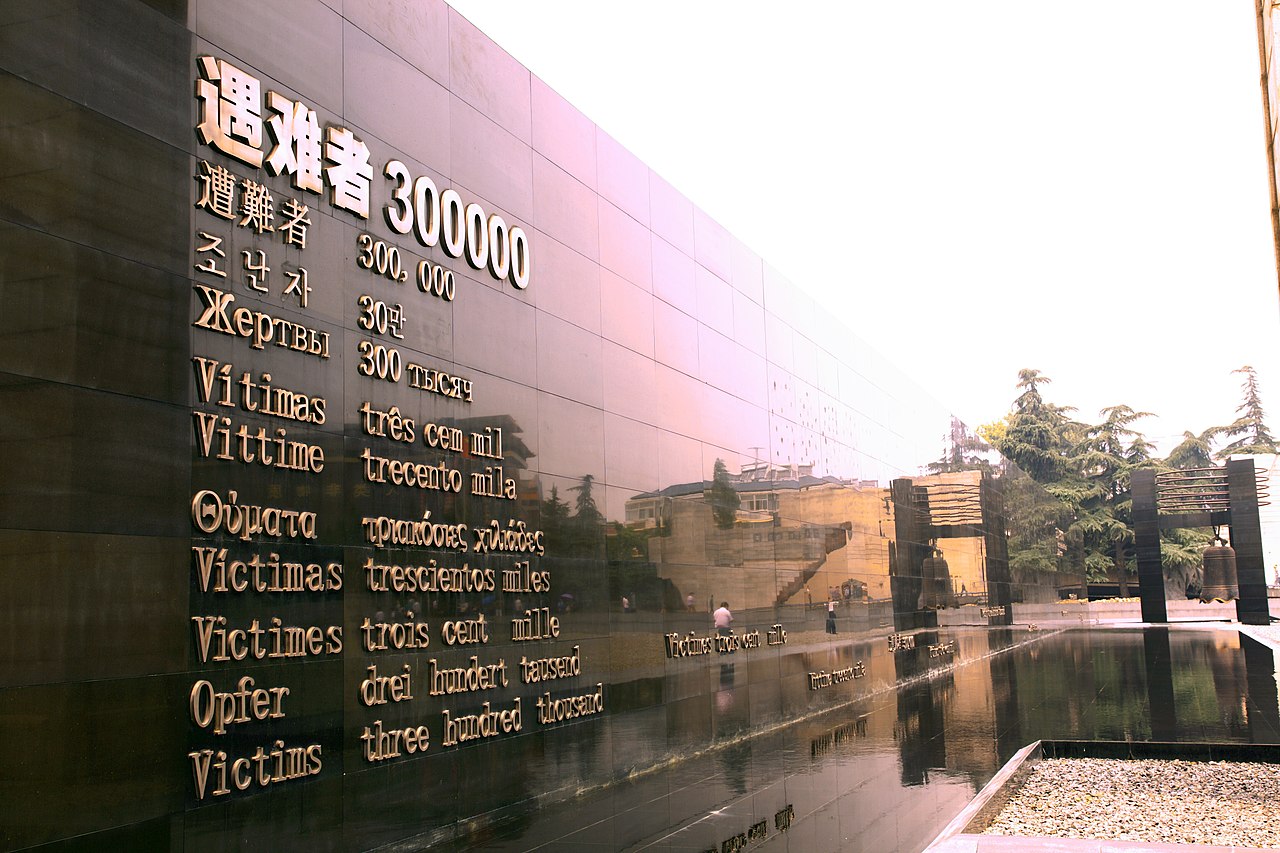
The complex occupies a large urban plot and combines exhibition halls, memorials, and landscaped areas. Its campus includes indoor exhibition galleries, a remembrance park, and symbolic architecture intended to evoke loss and reflection. The permanent exhibitions display a mix of photographs, documents, survivor testimonies, reconstructed scenes, and artifacts; temporary galleries periodically present research, art, or comparative histories. The Memorial Hall is designated as a national-level museum and marks one of the principal sites for public memory of the massacre.
History and development
The Memorial Hall was opened to the public in 1985 at a site associated with mass killings during the 1937–1938 events. It was established in the decades after the war as part of broader efforts in China to preserve historical evidence and to honor those who died. Since opening, the institution has been expanded and renovated several times to improve exhibition capacity and visitor services. The museum's collections and interpretive approaches have also been influenced by ongoing historical research and dialogues among historians, survivors, and the public.
Collections, exhibitions and educational role
Exhibits emphasize chronology, eyewitness testimony, and documentary proof to explain the sequence of events, the scale of civilian suffering, and the local and international responses. The Memorial Hall provides educational programs for schools, guided tours for the public, and resources for scholars. It uses audio-visual displays, photographs, archival documents, and personal objects to present multiple perspectives on the tragedy and to foster historical understanding and ethical reflection.
Significance, visitation and controversies
The site is significant as a national memorial and a destination for both domestic and international visitors. It has been described as a place of mourning and of civic education; by the end of 2017 the institution reported receiving tens of millions of visitors since its opening. The Hall also figures in international discussions about memory, reconciliation, and historical responsibility; debates about interpretation and representation have accompanied its exhibitions, as is common with sites documenting wartime atrocities.
Practical information and further reading
- Architecture and layout: indoor galleries and outdoor memorial spaces.
- Core themes: documentation, commemoration, education.
- Visiting: guided tours, educational programs and research services are available for groups and scholars; check the institution's visitor information pages represented here: Memorial Hall.
The Memorial Hall continues to function as both a historical repository and a place where the public confronts a difficult episode of 20th-century history. Its exhibitions aim to preserve witness accounts and promote informed remembrance, contributing to broader conversations about war, human rights, and the responsibilities of memory.
Questions and answers
Q: What is the Memorial Hall of the Victims in Nanjing Massacre by Japanese Invaders?
A: The Memorial Hall of the Victims in Nanjing Massacre by Japanese Invaders is a museum and memorial hall dedicated to remembering those killed during the 1937-1938 Nanjing Massacre in Nanjing, China.
Q: How large is the museum?
A: The museum covers a total area of 103,000 square meters, with a building area of 57,000 square meters and an exhibition area of 20,000 square meters.
Q: When was it officially opened?
A: It was officially opened on August 15th 1985.
Q: How many people have visited since its opening?
A: By 2017, over 90 million viewers from over 100 countries and regions had visited the museum since its official opening.
Q: What type of museum is it?
A: It is a "National First-Class Museum" built on the site of the Jiangdong Gate mass murder in the Nanjing Massacre.
Q: Who committed this massacre?
A: The Imperial Japanese Army committed this massacre.
Related articles
Author
AlegsaOnline.com Memorial Hall of the Victims in Nanjing Massacre by Japanese Invaders Leandro Alegsa
URL: https://en.alegsaonline.com/art/68248