
Naqsh-e Rustam: Ancient necropolis and rock reliefs near Persepolis
Naqsh-e Rustam is an ancient rock-cut necropolis and relief site in Fars Province, Iran, notable for Achaemenid royal tombs and large Sassanian rock carvings.
Naqsh-e Rustam is a cliffside archaeological complex in the Iranian province of Fars, located a few kilometres northwest of the ceremonial capital of Achaemenid Persia. Its name is recorded in Persian sources and visitors' accounts; for the Persian form see local spelling and pronunciation. The site lies within the broader cultural landscape associated with Persepolis and is often discussed alongside provincial records and inventories of antiquities (site record).
Image gallery
10 Images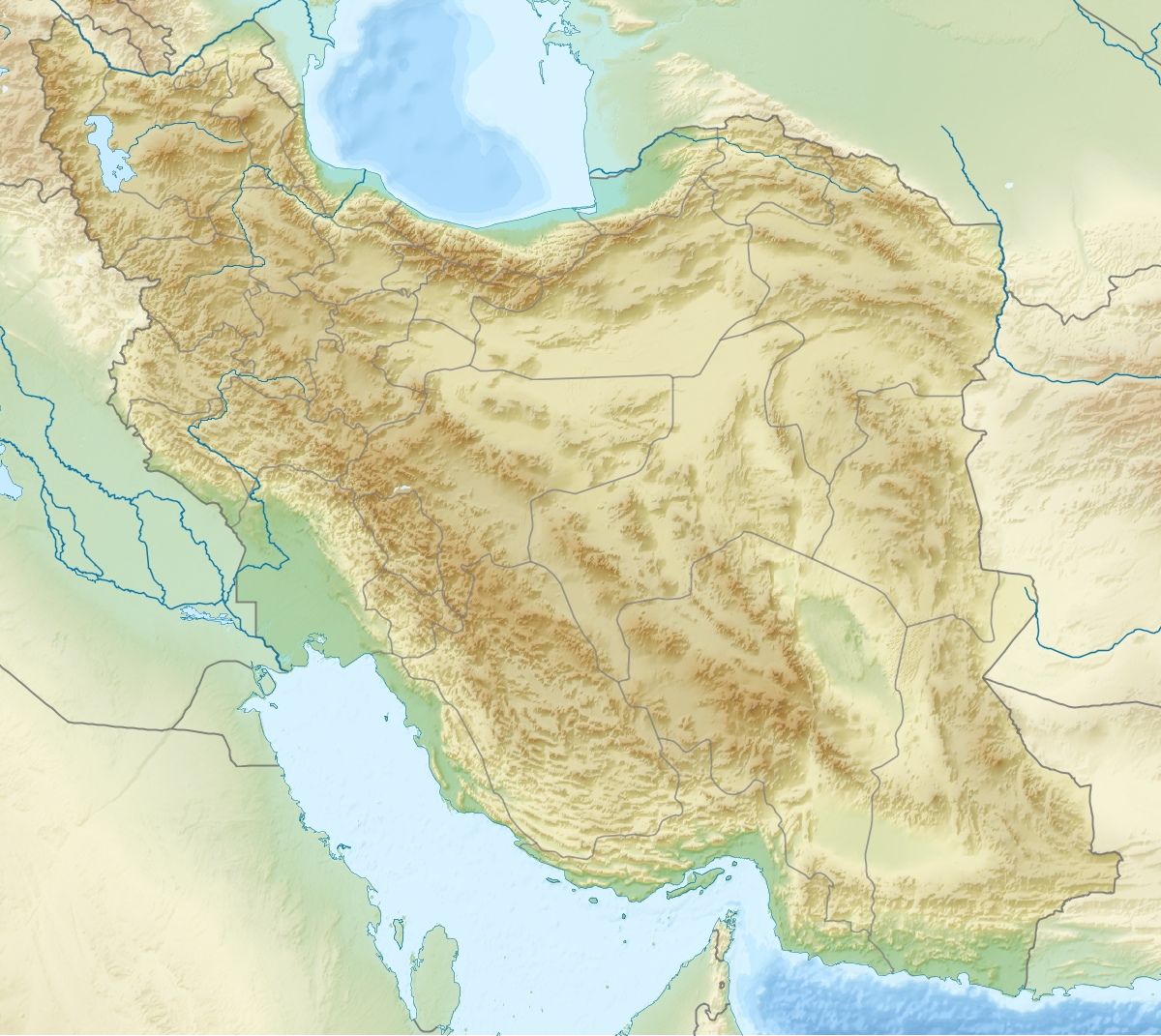


Overview and main elements
The site combines monumental tomb facades carved high into a limestone cliff with a series of large rock reliefs executed at different periods. The most conspicuous features are four cross-shaped tomb-cuttings traditionally attributed to Achaemenid rulers, and several Sassanian reliefs carved lower on the cliff face that depict royal investitures, battle scenes and ceremonial episodes. Naqsh-e Rustam sits within Fars Province, a region that served as the political heartland for multiple Iranian dynasties.
Tombs and architecture
The royal tombs are cut into the scarp and present a cruciform façade that opens to an inner burial chamber high above ground level. The façades are richly decorated with carved panels showing the king standing on a platform supported by attendants and deities, a visual vocabulary shared with other Achaemenid monuments. The interior chambers are small and were originally sealed, their contents removed in antiquity by looters or later reuse.
Sassanian reliefs and iconography
Below the tombs are several large Sassanian reliefs, carved between the 3rd and 7th centuries CE. These portray royal scenes such as a victorious monarch receiving tribute, an investiture in which the sovereign receives a ring or diadem from a deity, and episodes recording triumphs over Roman emperors. The Sassanian imagery is important for the study of late antique imperial ideology and fashion, and it complements the older Achaemenid monumental tradition visible on the cliff.
History, conservation and research
Scholars have long studied Naqsh-e Rustam to understand Persian royal ritual, stone-carving techniques and epigraphic practices. The monuments have suffered weathering, deliberate defacement in various historic periods, and damage from early modern tomb raiding. Conservation projects and archaeological surveys have aimed to stabilize the carved surfaces and document inscriptions and relief details for future research and public interpretation.
Visiting and significance
Today Naqsh-e Rustam is a major cultural and tourist destination for those interested in ancient Iran. Visitors can view the tomb façades and relief panels from the base of the cliff and learn how the site connects to the nearby palaces and ceremonial centers. As an archaeological ensemble, it offers a rare opportunity to compare Achaemenid royal funerary design with later Sassanian imperial imagery in a single setting.
- Main features: Achaemenid rock-cut tombs, Sassanian rock reliefs, epigraphic panels.
- Nearby sites: Persepolis and other monuments in Fars Province.
- Further reading and records: see regional heritage inventories (site record).
- Local names and language notes: see Persian entry (Persian form).
Questions and answers
Q: What is Naqsh-e Rustam?
A: Naqsh-e Rustam is an ancient necropolis situated about 12 km towards the northwest direction of Persepolis in Iran's Fars Province.
Q: How far is Naqsh-e Rustam from Persepolis?
A: Naqsh-e Rustam is located about 12 km towards the northwest direction of Persepolis.
Q: What type of site is Naqsh-e Rustam?
A: Naqsh-e Rustam is an ancient necropolis, which is used as a burial place of powerful people.
Q: Where is Naqsh-e Rostam situated?
A: Naqsh-e Rustam is situated in Fars Province in Iran, about 12 km northwest of Persepolis.
Q: What does the term "necropolis" mean?
A: The term "necropolis" refers to a large, ancient cemetery or burial ground.
Q: Who was buried in Naqsh-e Rustam?
A: Naqsh-e Rustam was used as a burial place by powerful individuals, including kings and shahs, such as Darius I and Xerxes I.
Q: What is the ancient significance of Naqsh-e Rustam?
A: Naqsh-e Rustam is an important historical site in Iran, serving as the final resting place for several powerful leaders and a glimpse into the ancient Persian empire's grandeur.
Related articles
Author
AlegsaOnline.com Naqsh-e Rustam: Ancient necropolis and rock reliefs near Persepolis Leandro Alegsa
URL: https://en.alegsaonline.com/art/68349
Sources
- books.google.com : google books