
Nasir al-Mulk Mosque (Pink Mosque) — Shiraz, Iran
Late‑Qajar mosque in Shiraz noted for its stained glass, polychrome tilework and morning light effects; an important example of Persian decorative architecture and a major visitor attraction.
Overview
The Nasir al-Mulk Mosque, commonly called the "Pink Mosque," is a late 19th‑century mosque in Shiraz, Iran. Commissioned by the benefactor Mirza Hasan Ali Nasir al‑Mulk during the Qajar period, the building is distinguished by prolific polychrome tilework, wooden stained‑glass windows and richly ornamented interiors. The mosque remains both a functioning place of worship and a widely visited cultural site.
Image gallery
10 Images





History
Constructed in the late Qajar era, the mosque reflects the tastes and decorative techniques of that period in Persian architecture. Patronage by a local aristocrat is typical of mosque building in cities such as Shiraz, where private endowments funded mosques and related civic works. Over time the mosque has required conservation work to protect fragile tile surfaces, carved wood and painted elements; repair and maintenance have been carried out intermittently by local heritage bodies and community custodians.
Architecture and decoration
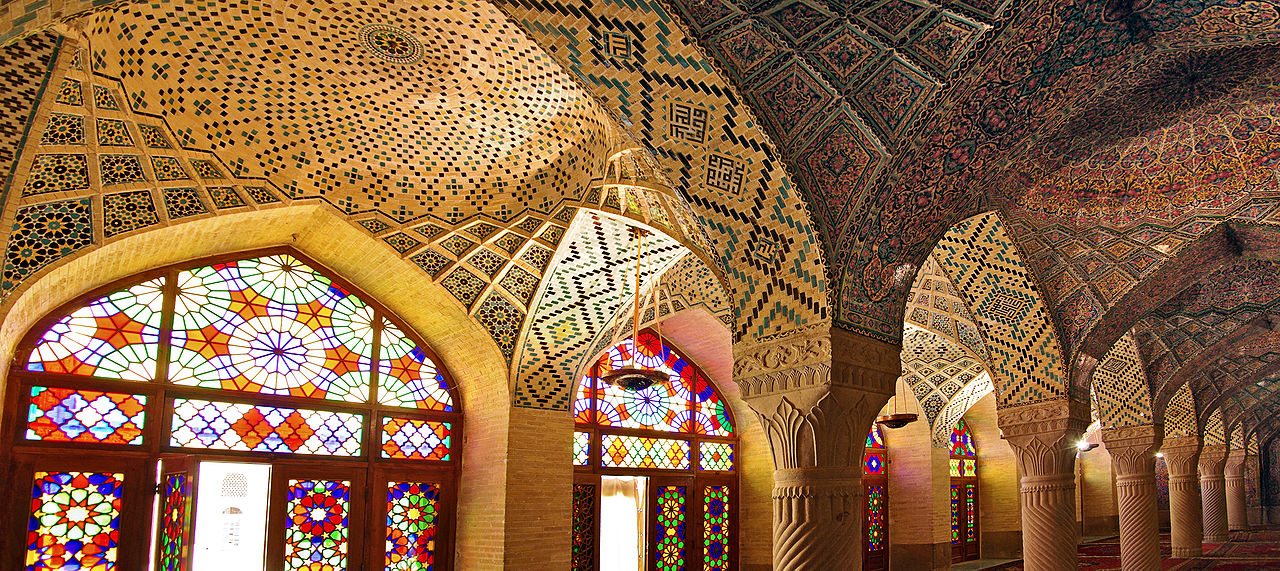
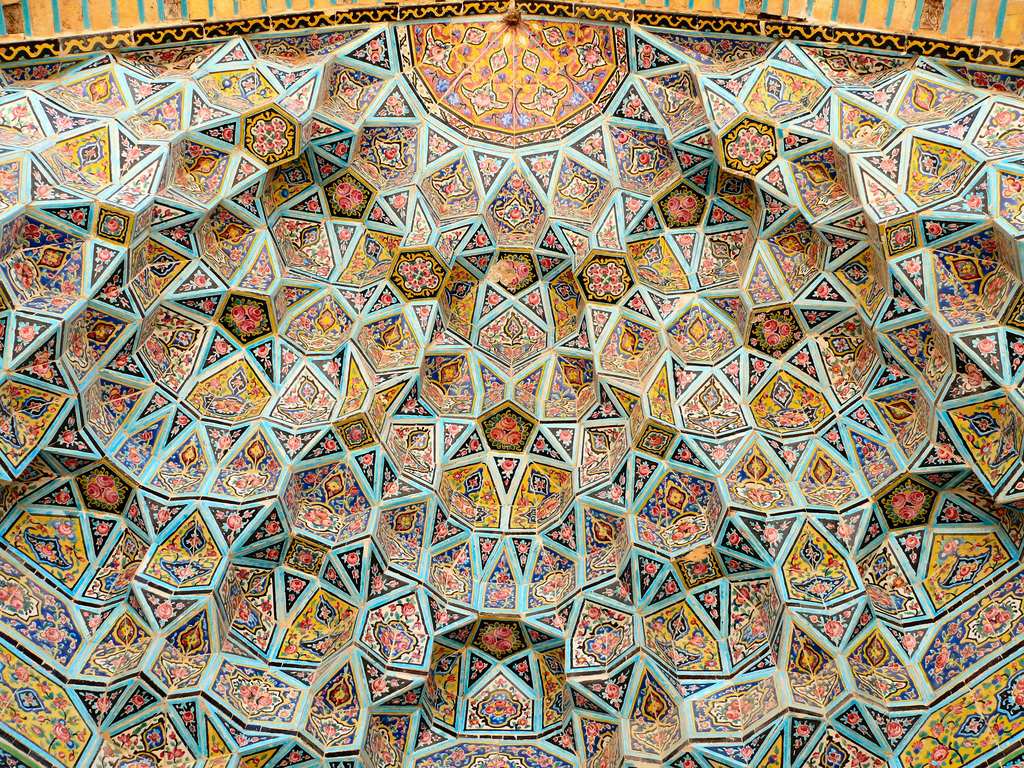
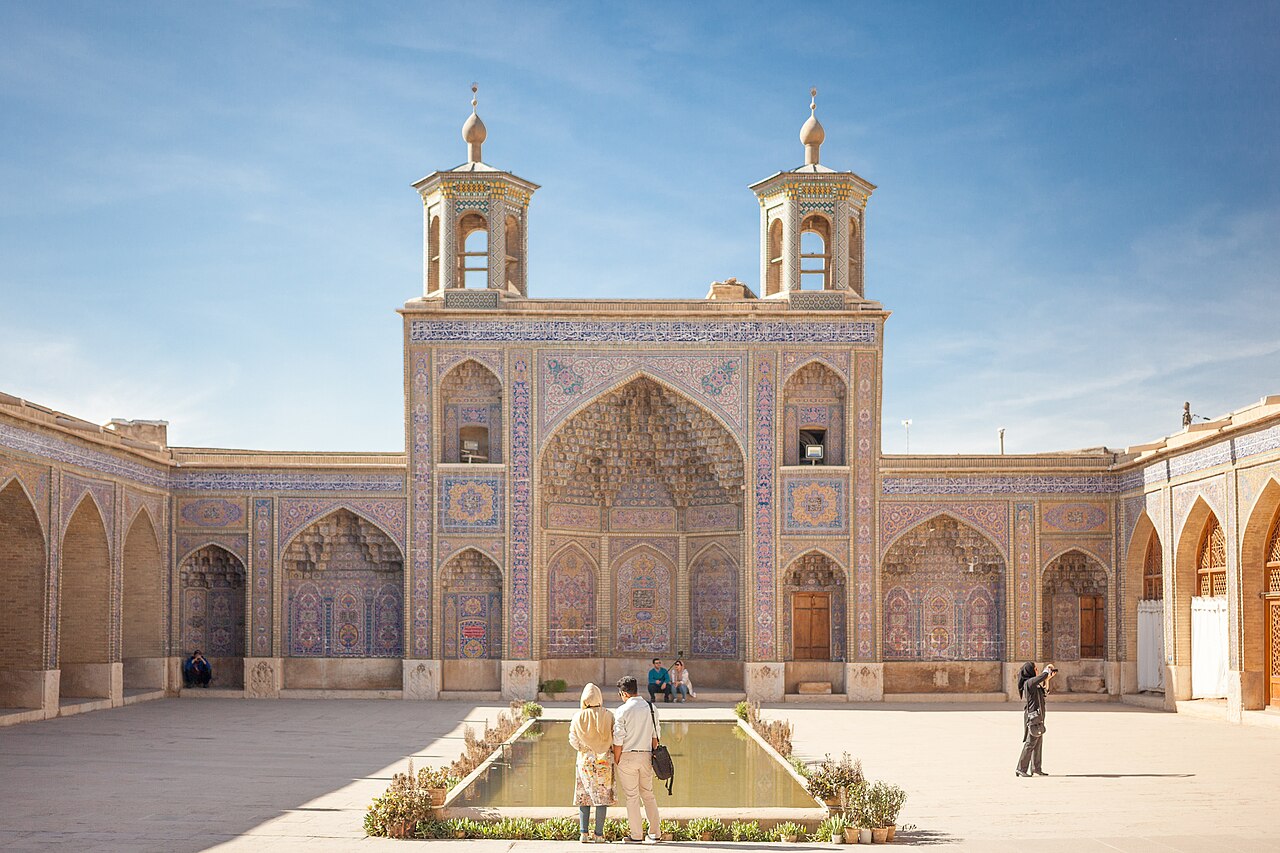
Architecturally the complex follows traditional Persian mosque layouts with a modest courtyard, an imposing portal and an interior prayer hall or shabestan framed by columns and pointed arches. Decorative features include extensive stained‑glass panels set in wooden frames, multicolored tile mosaics with warm pink and rose tones that give the mosque its nickname, carved plaster and calligraphic bands. Ornament combines geometric patterns, stylized floral motifs and Quranic inscriptions, producing a layered visual effect.
Light, color and material
One of the mosque’s best‑known qualities is the play of morning light. When sunlight passes through the colored glass it casts vivid bands of color across carpets and stone flooring, emphasizing the relationship between glazing, surface finishes and interior space. Materials such as glazed faience tiles, painted timber and polished stone all contribute to the changing visual experience through the day.
Significance and conservation
The Nasir al‑Mulk Mosque is often cited in studies of Qajar decorative arts and remains a popular subject for photographers and students of architecture interested in light, color and ornament. Conservation work seeks to balance preservation of original materials with the mosque’s ongoing religious function and heavy visitation; such interventions typically focus on cleaning, consolidation of tiles and repair of wooden windows.
Visitor information
- Best time to visit: early morning, when stained glass produces the most dramatic colored light.
- Etiquette: visitors should observe modest dress and be respectful during prayer times.
- Photography: widely permitted but should not disturb worshippers; tripods or commercial shoots may require permission.
- Access: the mosque functions as both a religious site and a tourist attraction; local information points and guides in Shiraz can provide current visiting arrangements.
For further reading and practical visitor details consult dedicated guides to the mosque and the city of Shiraz or official cultural heritage sources for Iran. The Nasir al‑Mulk Mosque remains one of the most visually striking examples of late Qajar ornamental architecture in the region.
Related articles
Author
AlegsaOnline.com Nasir al-Mulk Mosque (Pink Mosque) — Shiraz, Iran Leandro Alegsa
URL: https://en.alegsaonline.com/art/68443