
Mulatto: term, history, usage and contemporary perspectives
Overview of the term 'mulatto': origins, historical use in colonial caste systems, regional variations, contemporary preferences and why the term is considered problematic by many.
Overview
The word "mulatto" has been used in English and other languages to denote a person of mixed African and European ancestry, typically understood as the child of one Black parent and one white parent. Historically the term described a social and legal category as much as a physical description. Today its acceptability varies: some people accept it as a neutral historical label while many others regard it as outdated or offensive and prefer terms such as "biracial," "mixed race," or "of mixed ancestry". For one short reference about the usage and definitions see terminology overview.
Image gallery
10 Images



Origins and etymology
The etymology of the word is debated. It is widely traced to Spanish and Portuguese words such as "mulato"; some scholars note a possible association with the word for mule, which has contributed to the term's controversial tone. Because origins are contested, careful readers consult linguistic and historical sources rather than relying on a single account—see etymology discussion and historical notes.
Characteristics, forms and related terms
In Romance languages there are gendered forms (for example, Spanish "mulato" and "mulata"). Across different cultures, a wide range of labels exist to describe complexion, ancestry and social status. Preferred modern alternatives include biracial, mixed race, or specifying ancestry (for example, "Black and white"). For discussions about contemporary naming preferences see naming practices and identity studies.
Regional variation and historical usage
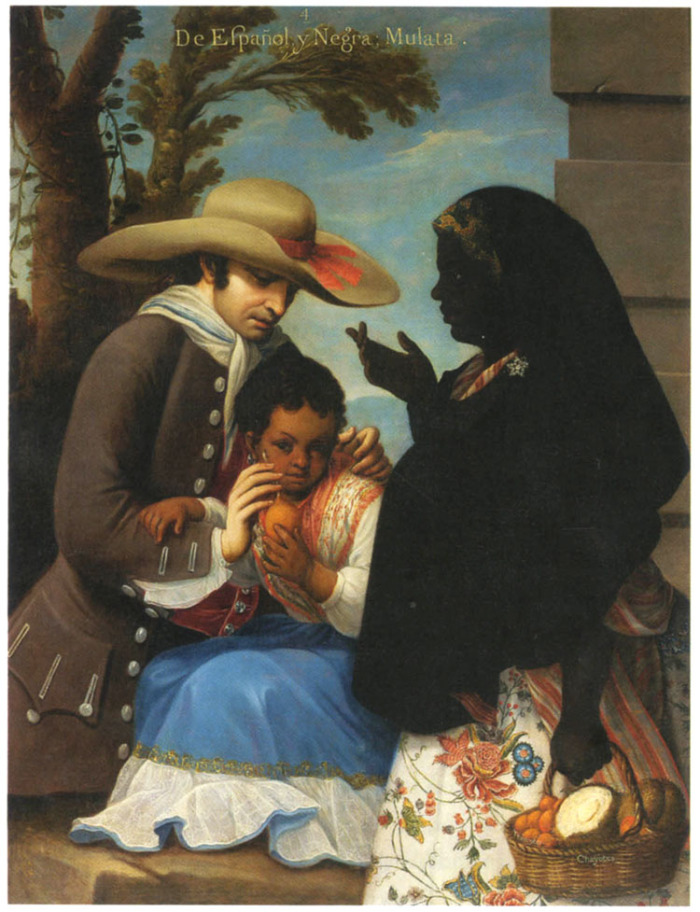
During the colonial era in the Americas, hierarchical caste systems classified people according to ancestry and skin tone; in many Latin American and Caribbean societies this produced detailed terminologies. In some places these descriptors were used primarily for record-keeping rather than moral judgement. Examples of regional contexts include Cuba, broader the Caribbean, and Latin America. The Spanish language use, including the female form, is discussed in language resources: Spanish usage.
Social and cultural context
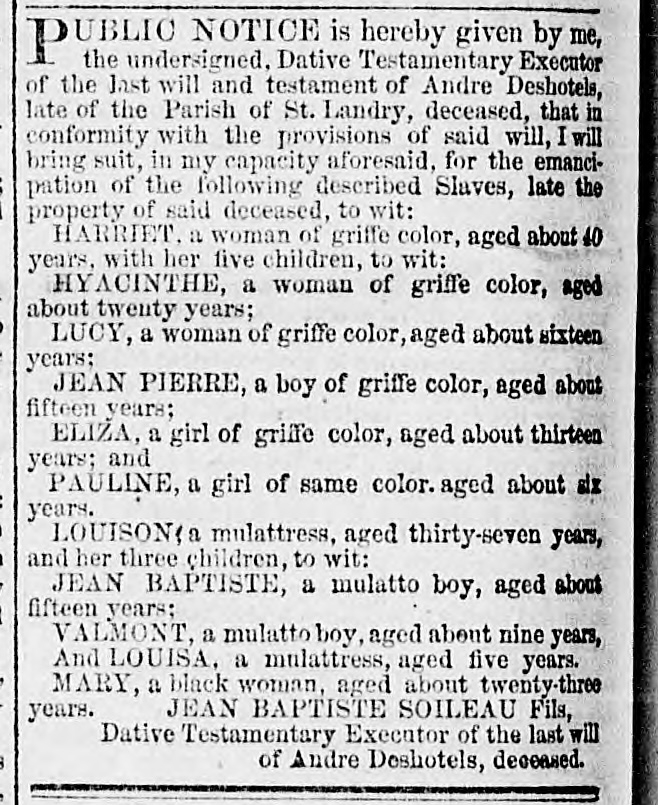
The social meaning of the label has changed over time. In some historical records it appeared on censuses, parish registers and legal documents; in modern social discourse it can carry stigma because of perceived associations with colonial hierarchies or dehumanizing metaphors. Because of such associations many authors and communities advocate for more respectful descriptors; for an analysis of social impact see social research and critical perspectives.
Contemporary usage and distinctions
Today the word remains in use in scholarly, historical and artistic contexts, but its acceptability depends on speaker, audience and region. When writing or speaking about identity, it is good practice to follow the preferences of the people described and to use precise language (for example, naming specific ancestries or cultural affiliations). Useful approaches include:
- Ask individuals how they prefer to be described.
- Use "biracial" or "mixed race" when generalizing, unless a historical term is required for accuracy.
- Provide context when quoting historical documents that use the word.
For further reading and primary sources consult the linked resources above for more detailed etymology, regional studies and contemporary analyses.
Related articles
Author
AlegsaOnline.com Mulatto: term, history, usage and contemporary perspectives Leandro Alegsa
URL: https://en.alegsaonline.com/art/67411