
Word (language and linguistics)
A word is the basic meaningful unit of language, expressed in speech or writing. This article explains forms, meanings, pronunciation, writing systems, formation, uses, and distinctions such as lexeme and morpheme.
Overview
A word is a discrete unit of language that typically carries meaning and can be uttered or written. In speech it is produced by vocal articulation and can be perceived as a sequence of sounds; in writing it is represented by symbols, such as letters in alphabetic systems or characters in logographic systems. Words serve as the primary building blocks for larger expressions: phrases, clauses and sentences.
Image gallery
3 Images
Form and structure
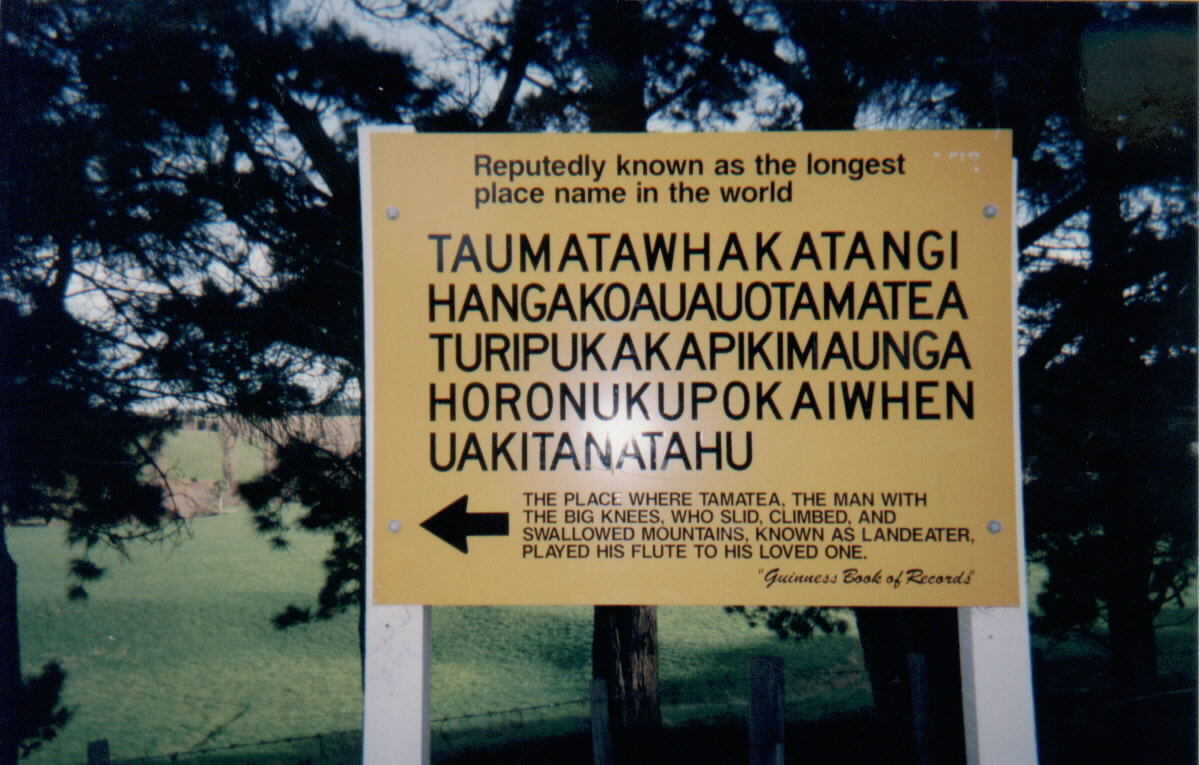
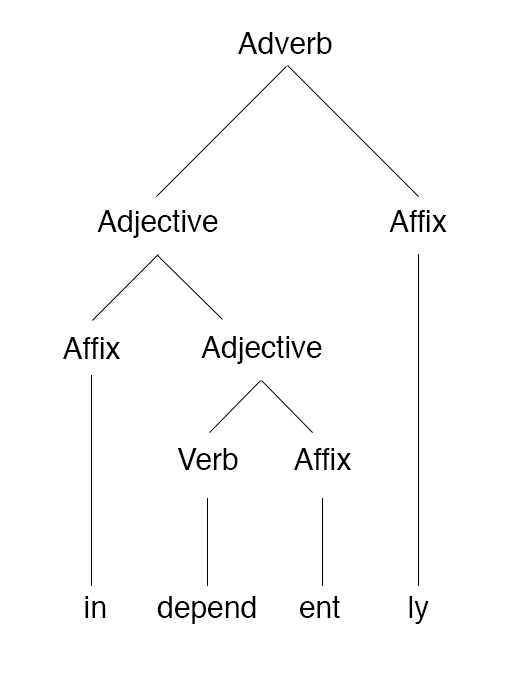
Words vary in length and complexity. Some are single letters (for example the English words a and I), others contain many morphemes. A morpheme is the smallest meaningful unit inside a word; words may be monomorphemic (one morpheme) or polymorphemic (multiple morphemes). Linguists distinguish between a word’s form on the surface (its written or spoken shape) and its abstract citation form or lexeme (the dictionary entry that groups related inflected forms).
Meaning, ambiguity and pronunciation
Many words have more than one meaning (polysemy) or share form with unrelated words (homonymy). Examples include spring, which can denote a season, a coiled object, or an act of jumping, and bank, which can mean a financial institution or a river margin. Some words are homographs that differ in pronunciation and part of speech: wind (moving air) versus wind (to twist). Pronunciation and stress patterns can change meaning and grammatical category.
Writing systems and orthography
How words are written depends on the writing system. Alphabetic scripts represent sound segments using letters; in such systems words are typically separated by spaces. Logographic systems use characters or symbols that correspond to words or morphemes rather than individual sounds. Spelling also reflects historical and regional variation: for example, American and British English spell the same words differently in places (e.g., color vs colour). Orthography and standardization are shaped by dictionaries, education, and publishing conventions.
Word formation and development
New words arise constantly through processes such as compounding (joining two words), derivation (adding affixes), clipping, blending, borrowing from other languages, and acronym formation. Some coined or technical terms become widely adopted and enter general usage; these are called neologisms until they are fully integrated. The term radar, for instance, began as an acronym but is now treated as an ordinary noun in many languages.
Uses and importance
Words are the means by which speakers and writers encode and transmit ideas, facts, feelings and social intentions. They form the lexicon of a language, which can be catalogued in dictionaries and analyzed in corpora. The study of words — their formation, meaning, pronunciation and function — spans disciplines including linguistics, lexicography, cognitive science and language education. Understanding how words behave helps in teaching languages, building search engines, developing natural language processing systems and preserving cultural heritage.
Distinctions and notable facts
- Word vs. morpheme: a word may contain several morphemes; a morpheme is the minimal unit of meaning.
- Token vs. type: a token is an instance of a word in text or speech; a type is the abstract identity of that word form across instances.
- Lexeme: a unit that groups inflected forms (run, runs, ran) under one dictionary entry.
Examples and quick references
- Pronunciation and spoken form: pronunciation
- Alphabetic writing systems: alphabetic
- Letters as building blocks: letters
- Symbols representing whole words: logogram
- Multiple meanings and senses: meaning
- An example object: device
- Inflected verb forms: conjugation
- Words that coincide in form: homonyms
- Pronunciation differences: pronunciation variants
- American spelling convention: American English
- British spelling convention: British English
- The English language: English
- Other languages and vocabularies: other languages
- Ideographic characters: ideogram
- Newly coined words: neologism
- A word that began as an acronym: radar
- Abbreviations formed from initials: acronym
Related articles
Author
AlegsaOnline.com Word (language and linguistics) Leandro Alegsa
URL: https://en.alegsaonline.com/art/109038