
Nanny: role, duties, and employment in child care
A nanny is a childcare professional employed by a household to provide daily care, supervision, education and support for children. This article explains roles, arrangements, history, and distinctions.
Overview
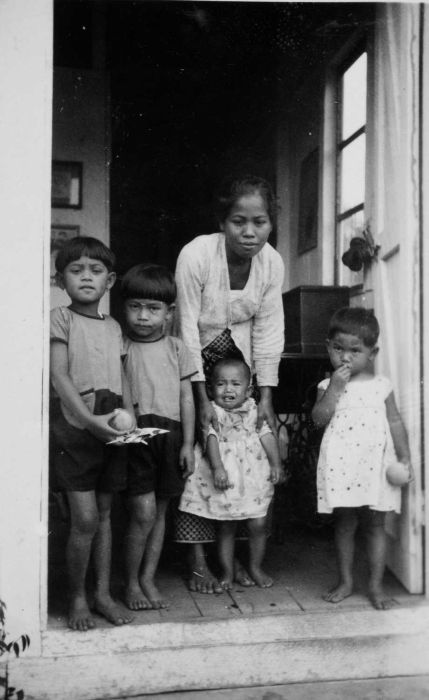
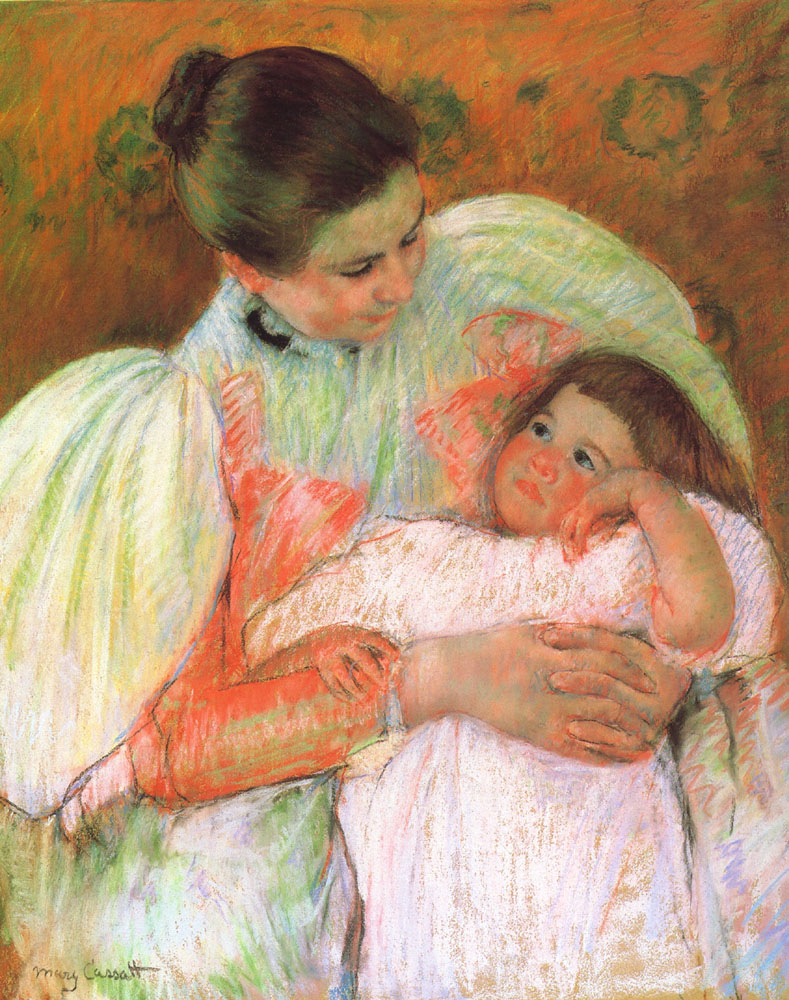
A nanny is a person hired by a household to provide regular, ongoing childcare and support for children. A nanny's work can include supervision, feeding, age-appropriate educational activities, transport and light household tasks related to the children. Families use nannies as an alternative to daycare, after-school care or live-out babysitters when they want a consistent caregiver and individualized attention for their children. For more on care models see childcare options.
Image gallery
3 Images
Typical duties and characteristics
Nanny duties vary by family but commonly include day-to-day childcare, planning activities that support development, managing routines such as naps and meals, and transporting children to school or appointments. Many positions require first aid and child-safety knowledge, good communication with parents, and sometimes household tasks related to the children. Common duties include:
- Feeding, bathing and supervising play;
- Designing play and learning activities;
- Organizing schedules and transporting children;
- Maintaining children’s clothing and toys, and light cleaning tied to childcare.
Employment types and qualifications
Employment arrangements differ: a live-in nanny resides in the family home for much or all of the year, while a live-out nanny commutes. Some families hire part-time nannies for specific hours. Nannies may be employed directly by parents, through an agency or as private contractors. Agencies and training programs offer certifications and background checks; parents often request references or qualifications and may consult nanny agencies and resources.
Gender, attire and professional norms
Although the role has traditionally been filled by women, many men work as nannies and are sometimes called "manny" or simply male nannies. Gender diversity in childcare has increased over time and affects hiring practices in some regions. Some employers ask nannies to wear a uniform or a specific dress code while on duty; others prefer casual attire suited to active work with children. See examples of employer policies at male and female nanny roles and uniform and dress guidelines.
History and distinctions
The role of a live-in caregiver has historical precedents in domestic service, but modern nannies focus on child development and family partnership rather than general household service. Nannies differ from babysitters (short-term, occasional care), governesses (historically focused on formal education), and au pairs (often cultural exchange placements with defined limits). Employers and caregivers negotiate duties, hours, compensation and boundaries to clarify expectations.
Importance and considerations
Families choose nannies for continuity of care, individualized attention, and flexibility. When selecting a nanny, families should check references, verify training, agree on schedules and responsibilities, and consider legal and tax implications of domestic employment. For information about family placement and hiring practices, consult local resources and family support services.
Related articles
Author
AlegsaOnline.com Nanny: role, duties, and employment in child care Leandro Alegsa
URL: https://en.alegsaonline.com/art/68266