
Nahuatl — the Uto‑Aztecan language of central Mexico
Nahuatl is a group of related Uto‑Aztecan languages once used by the Aztec state and still spoken by around 1.5 million people in Mexico. It has complex morphology and many loanwords in English and Spanish.
The Nahuatl name applies to a set of related varieties of a Uto‑Aztecan language spoken chiefly in central and southern Mexico. Once the lingua franca of the Aztec (Mexica) political and cultural sphere, Nahuatl survives today in numerous community dialects. Estimates commonly place active speakers at about 1.5 million, concentrated in rural and urban indigenous communities where it continues as a living mother tongue and cultural medium.
Image gallery
10 Images


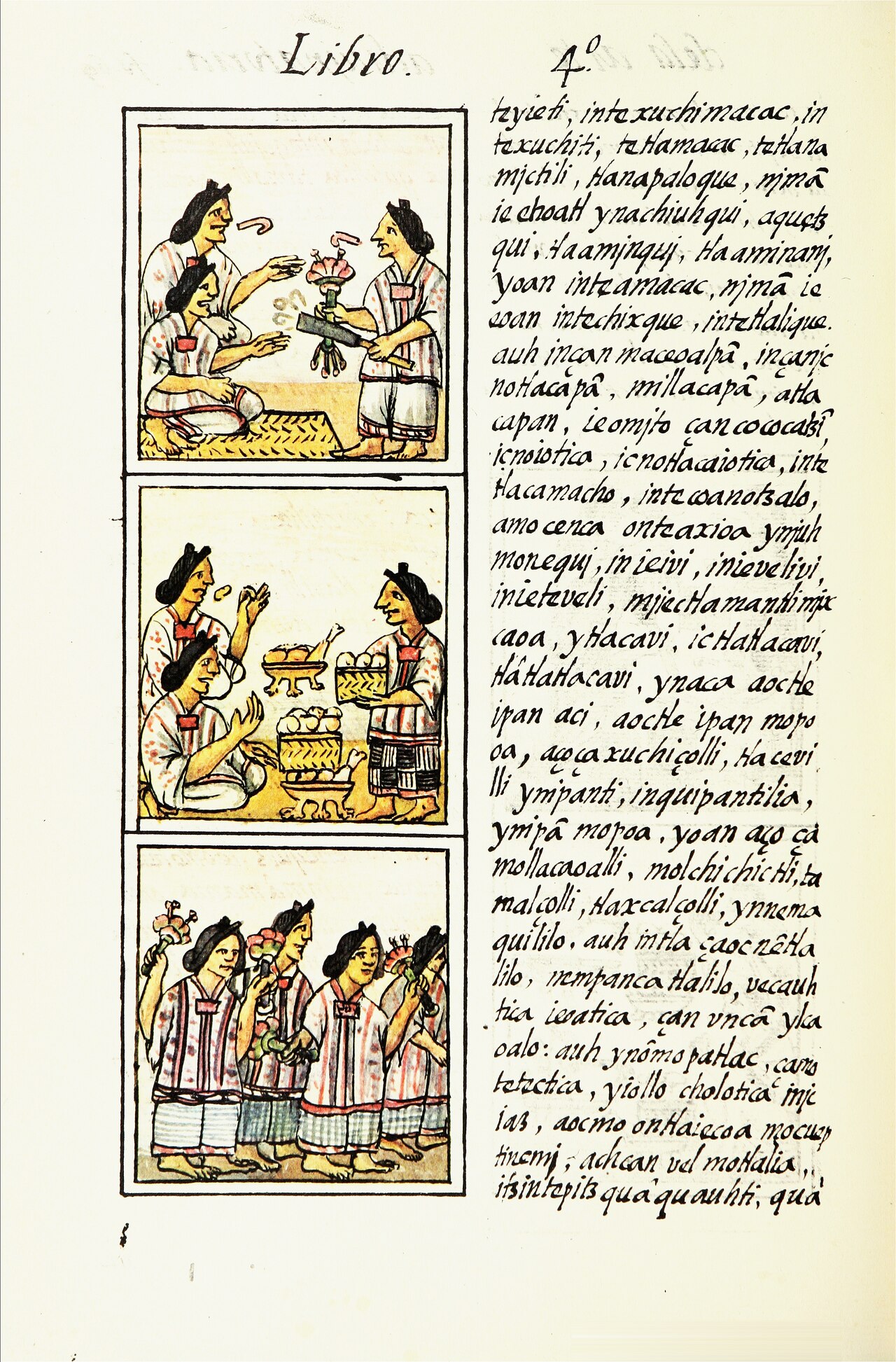



Classification and linguistic features
Nahuatl belongs to the Uto‑Aztecan family and shows several characteristic features: it is largely agglutinative, builds words with a sequence of prefixes and suffixes, and commonly forms long compound words. Phonologically it preserves the distinctive lateral affricate often written "tl" in Latin orthography. Vowel length and stress patterns have played different roles across dialects and in the historical (Classical) language.
- Typology: agglutinative, head‑marking morphology.
- Notable sound: the tl cluster (a lateral affricate) and varied vowel length.
- Grammar: rich verb morphology marking person, aspect, and directionality.
History and development
Nahuatl was the administrative and literary language of large pre‑Columbian states and became the principal indigenous language encountered by Spanish colonizers. In the colonial era, native speakers and missionary scribes recorded large amounts of material—legal documents, historical chronicles, and translations—producing an extensive written record known as Classical Nahuatl. Over centuries the language diversified into multiple regional varieties, some mutually unintelligible, reflecting local innovation and contact with Spanish and other indigenous languages.
Geography, status and varieties
Modern Nahuatl varieties are found across several Mexican states in communities both rural and urban. Mexican law recognizes indigenous languages and supports bilingual education in many regions, while grassroots and academic programs promote maintenance and revitalization. The term "Nahuatl" therefore covers a dialect continuum with important internal differences between central highland speech and peripheral varieties.
Uses, literature and influence
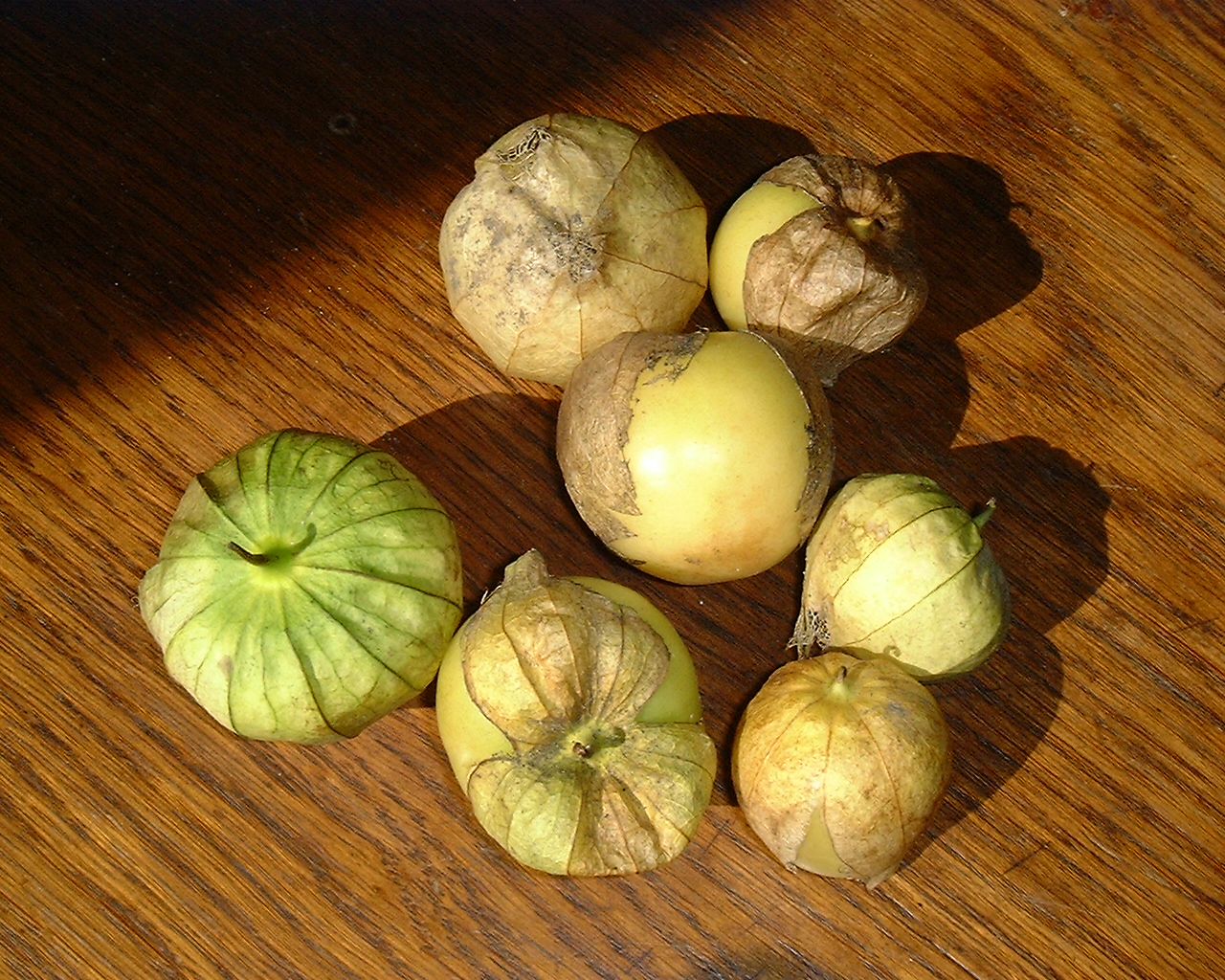
Nahuatl remains vital in oral traditions, ritual contexts, local media, and community education. A substantial corpus of pre‑ and post‑contact texts supplies historians and linguists with evidence of cultural life and grammar. The language has also contributed widely used loanwords to Spanish and English; common examples include:
- chocolate, tomato, avocado, chili
- coyote, ocelot
Contemporary efforts combine community teaching, standardized orthographies, media content in Nahuatl, and university programs to support intergenerational transmission. The language's long history, structural richness, and cultural significance make it a prominent subject of study in linguistics, anthropology, and Mesoamerican history.
Related articles
Author
AlegsaOnline.com Nahuatl — the Uto‑Aztecan language of central Mexico Leandro Alegsa
URL: https://en.alegsaonline.com/art/68124
Sources
- diputados.gob.mx : "General Law of Linguistic Rights of Indigenous Peoples"
- inali.gob.mx : "Instituto Nacional de Lenguas Indígenas homepage"
- glottolog.org : "Aztec"
- omniglot.com : "Nahuatl (nāhuatl/nawatlahtolli)"
- worldcat.org : 8034800
- compapp.dcu.ie : "IRIN-International homepage"
- mexica.net : "Nahuatl Borrowings in Mexican Spanish Vocabulary"