
Mountain man: explorers and trappers of the North American West
Independent trappers, guides and explorers who worked across the Rocky Mountains during the 19th‑century fur trade era and later became scouts, guides and settlers.
Overview
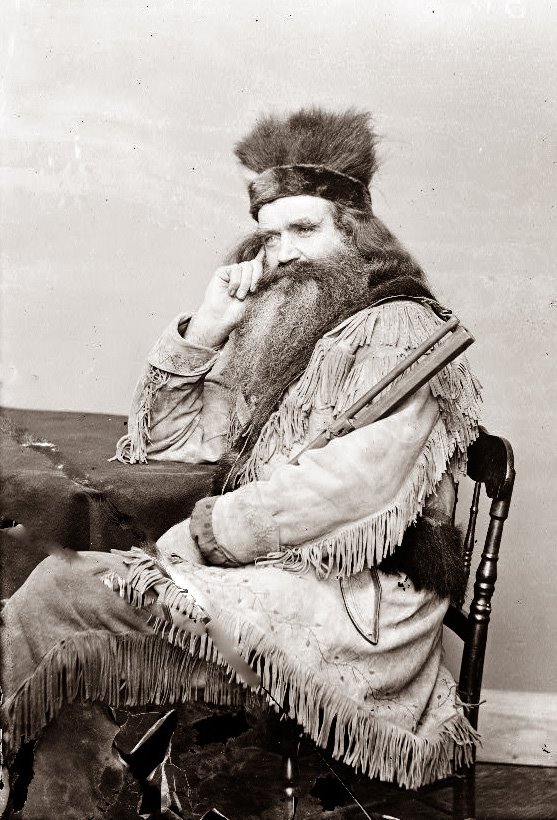
The term "mountain man" refers to itinerant hunters, trappers and frontier explorers who operated across the interior West of North America during the early to mid‑19th century. These individuals ranged from independent trappers to employees of fur companies. Their lives combined long periods of solitary wilderness travel with seasonal rendezvous where pelts, supplies and news were exchanged. Mountain men are closely associated with the Rocky Mountains and the opening of overland routes that would later be used by emigrant wagon trains.
Image gallery
8 Images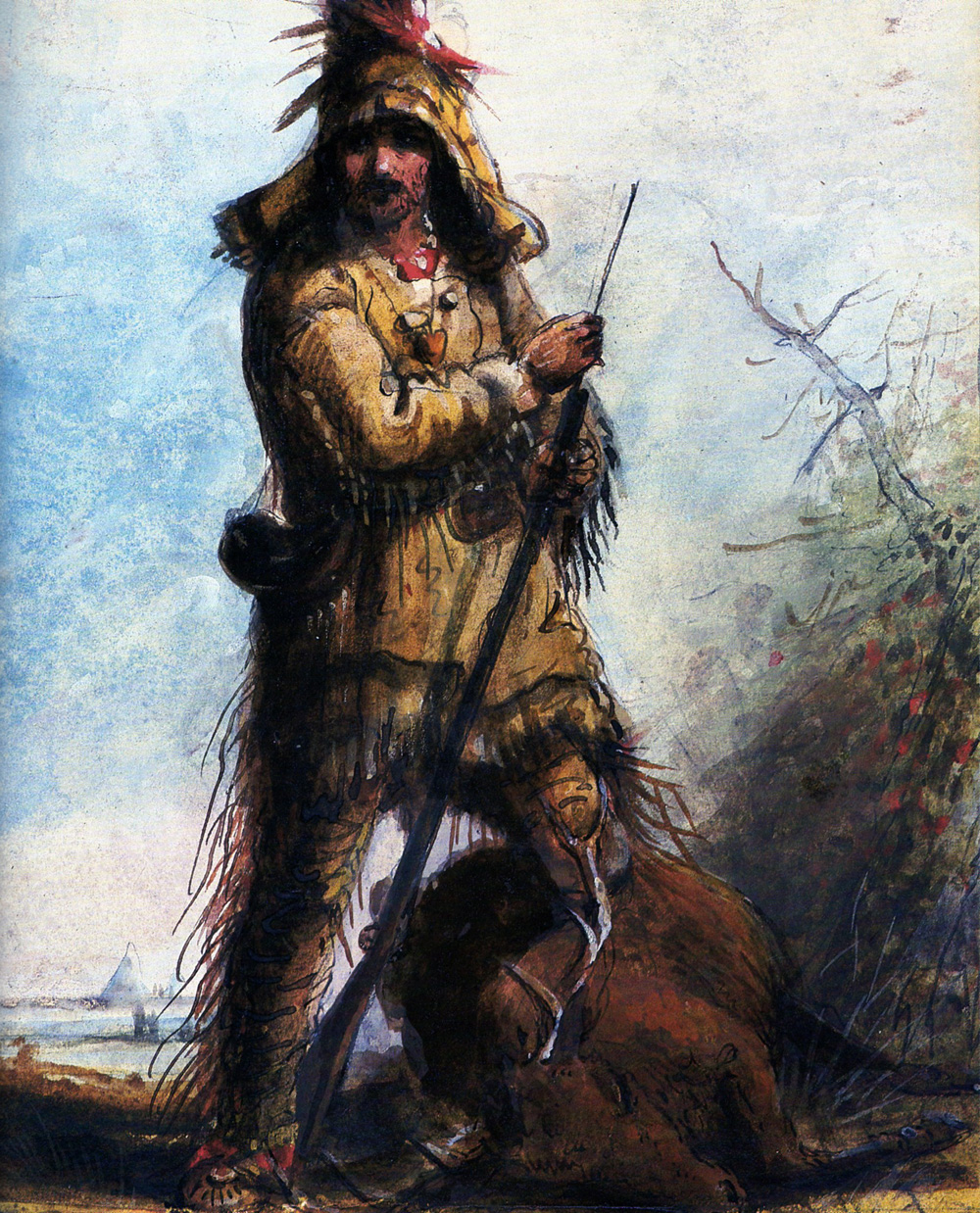



Characteristics and activities
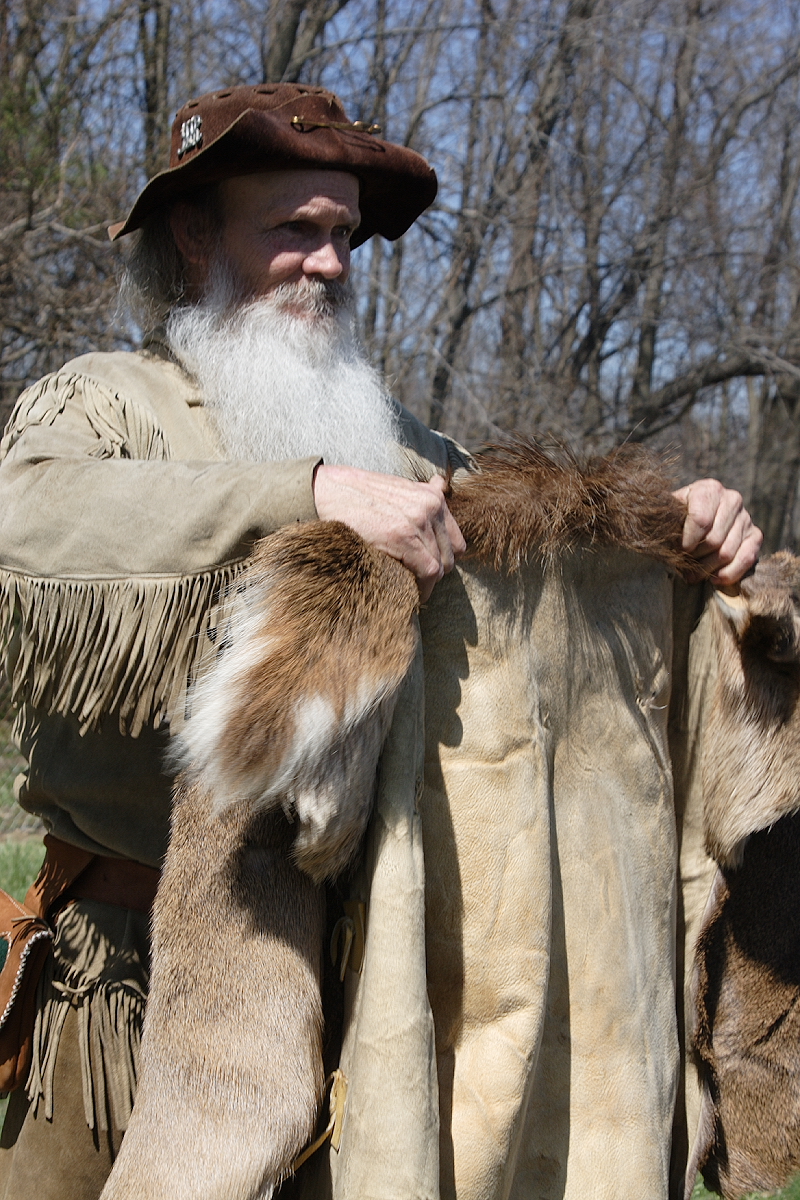
Mountain men usually mastered skills necessary for survival in remote country: wilderness navigation, animal tracking, hide preparation, and negotiation with Indigenous nations. Many made a living by trapping beaver and other fur‑bearing animals, but they also hunted for food, gathered wild plants, and repaired or built trading equipment and shelters. A distinct feature of their work was a seasonal rhythm: time spent in the field trapping was punctuated by periodic gatherings or trips to trading posts to sell furs and resupply.
Notable figures and places
Several individuals became prominent in popular memory for their exploration, frontier skills or role as guides. Well‑known names include Jim Bridger, Kit Carson and Jedediah Smith. Others, such as William Sublette, became influential in the trade by establishing forts and trading posts that served trappers and later emigrants. The Rocky Mountain region and the network of rivers and trails through it provided the main stage for their activities.
Historical development and decline
The mountain man era grew out of the fur trade that expanded into the interior in the late 18th and early 19th centuries. By the middle of the 19th century demand for certain furs—most notably beaver for hatmaking—declined in European and American markets. Overtrapping had also reduced local populations of some species. As the profitability of trapping fell, many mountain men adapted by taking on new roles: serving as Army scouts, guiding wagon trains across the continent, working as scouts for surveyors, or settling into civilian life in newly established towns.
Legacy and importance
Mountain men contributed to geographic knowledge of the western interior by mapping trails, crossing passes and identifying river routes. Their knowledge proved valuable to later migrants, traders and the U.S. military. While popular culture often romanticizes their solitude and ruggedness, their lives were complex and frequently depended on trade networks and interactions with Indigenous peoples and entrepreneurs. Some of the routes and forts associated with mountain men later became parts of emigrant trails such as the Oregon Trail.
Further reading and resources
- Trapping and trade practices
- Geography of the western territories
- North American interior routes
- The Rocky Mountains region
- Biographies of Kit Carson and contemporaries
- History of the fur trade
- Economic changes in the mid‑19th century
- European fashion and demand for furs
- Shifts in hatting and clothing trends
- Mountain men as Army scouts
- Scout roles in frontier conflicts
- Wagon trains and emigrant trails
- Settlement and community formation
- Forts and trading posts on the Oregon Trail
Author
AlegsaOnline.com Mountain man: explorers and trappers of the North American West Leandro Alegsa
URL: https://en.alegsaonline.com/art/67133