
Guide — roles, types, history and practical uses
A concise guide to what guides are: people who lead others in travel, education, outdoors, work or personal growth. Covers roles, skills, history, common examples, and how guides differ from leaders or instructors.
A guide is any person who leads, directs, or aids others toward a place, activity, understanding, or goal. In everyday usage the term covers a wide range of functions: a person who helps visitors explore a city, an expert who leads a climbing route, a teacher who orients students, or a mentor who supports personal development. The role combines practical knowledge with interpersonal skills and a responsibility for the people being led.
Image gallery
4 Images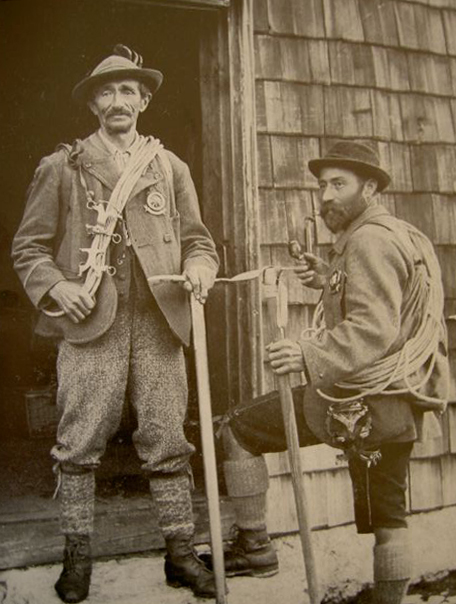


Common characteristics and tasks
- Knowledge: factual, local or technical information needed for the task.
- Navigation and safety: route finding, risk assessment and emergency planning.
- Communication: clear explanation, interpretation, and adaptation to different audiences.
- Service and stewardship: hospitality, accessibility, and protection of places or information.
Guides operate in both the physical, everyday world and in metaphorical senses: a person working with travelers and tourists is a familiar example (traveler and tourist guide), while other guides lead toward knowledge or personal change. A reference to "real-world" guiding appears in many descriptions of the role (real-world guides). In more figurative or educational contexts the same term emphasizes facilitation and mentorship (figurative guidance).
History and development
Guiding is as old as travel and exploration. Early human groups used local experts to cross unfamiliar terrain and locate resources. As societies grew, specialized roles developed: religious or philosophical guides, professional porters and scouts, and later licensed guides in tourism and mountaineering. Modern professional guiding often includes formal training, certification, and ethical standards to protect clients and environments.
Guides serve many purposes: they orient visitors at cultural sites, interpret natural environments, ensure safety on outdoor expeditions, and mentor individuals in academic or vocational settings. Examples include museum docents, mountain guides, tour leaders, workplace trainers, and spiritual advisors. Guidance may aim to convey facts, cultivate skills, or foster insight and wisdom (knowledge and wisdom).
Distinctions and notable facts
- Guide vs leader: a guide often focuses on direction and expertise for a specific route or topic; a leader may shape broader strategy or group dynamics.
- Guide vs instructor: instructors teach skills in a structured program; guides emphasize situational decision-making and interpretation.
- Professionalization: many fields require training, insurance, or certification to work as a paid guide.
Choosing an effective guide means matching their experience to your needs, checking credentials where appropriate, and clarifying expectations about safety, learning goals, and costs. Whether literal or metaphorical, guides make unfamiliar places and ideas easier to navigate and help people reach intended destinations more confidently.
Author
AlegsaOnline.com Guide — roles, types, history and practical uses Leandro Alegsa
URL: https://en.alegsaonline.com/art/41259