
Mount of Olives — history, religious importance, and notable sites
The Mount of Olives is a ridge east of Jerusalem's Old City revered in Judaism, Christianity and Islam. It contains ancient tombs, churches, the Garden of Gethsemane and a major Jewish cemetery.
Overview
The Mount of Olives is a prominent ridge immediately east of Jerusalem's Old City. Known in Hebrew as Har HaZeitim and in Arabic as Jebel az-Zeitun, the mount rises to about 809 metres (2,654 ft) above sea level and offers a sweeping view across the Old City and the Temple Mount. It takes its modern English name from the olive trees that long covered its slopes; these olive groves and the adjacent olive-pressing terraces are central to the site's landscape and symbolism.
Image gallery
10 Images





Religious significance
The Mount of Olives holds profound meaning for the three Abrahamic faiths. For Jews, the mountain is associated with messianic expectation and is the location of a historic cemetery where generations hoped to be buried facing Jerusalem. For Christians, many events in the life of Jesus are remembered here — including prayers at the Garden of Gethsemane and traditions of the Ascension. For Muslims, the site has resonances in local tradition and contains shrines and historic mosques. Pilgrimages, liturgies and funerary customs have shaped the mount's religious landscape for centuries.
Notable sites and archaeology
The ridge contains a dense concentration of historical and religious landmarks. Important locations include:
- Garden of Gethsemane, a grove traditionally associated with Jesus' final night of prayer.
- Church of All Nations, built on the slopes near the garden and containing ancient rock features.
- Chapel of the Ascension and other small shrines commemorating Christian traditions.
- Byzantine, Crusader and Ottoman-era remains, together with ancient burial caves and rock-cut tombs uncovered by archaeologists.
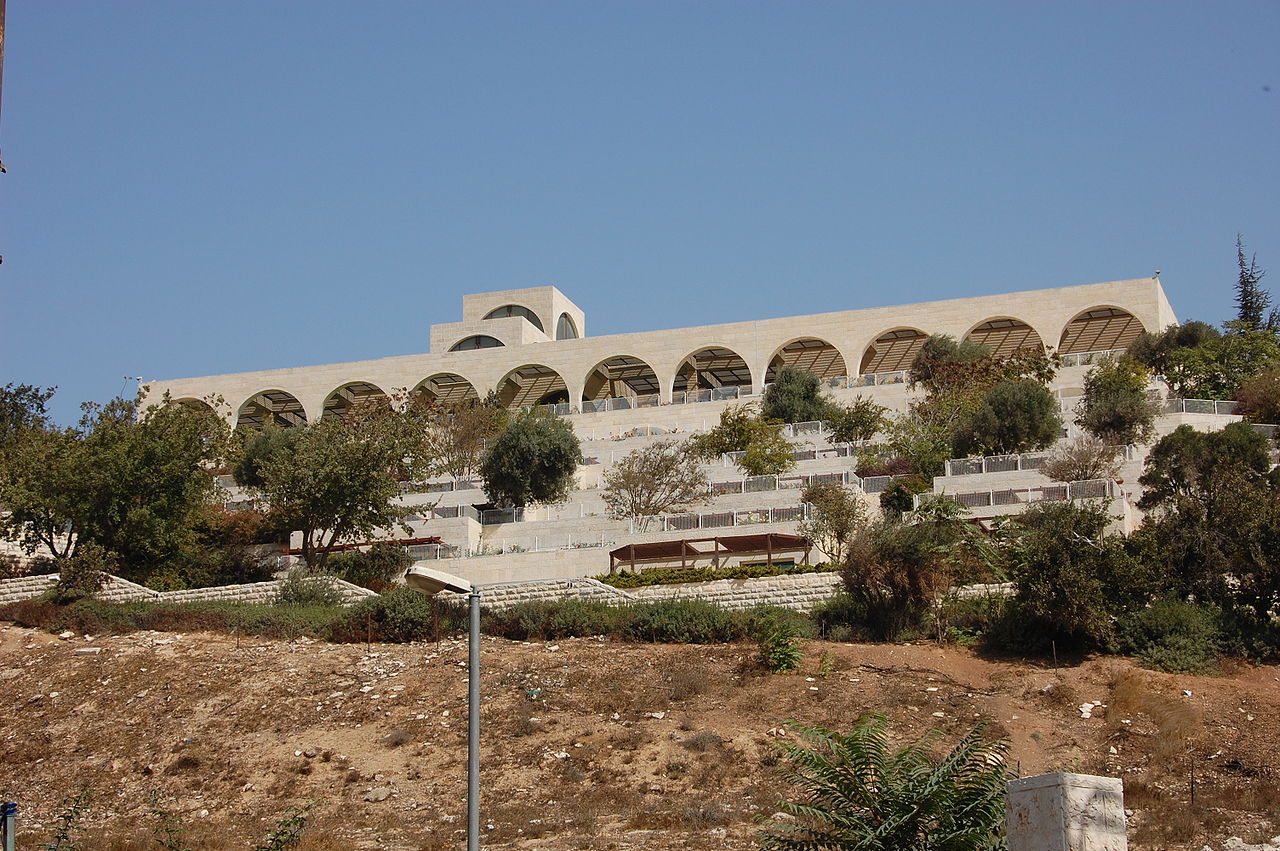
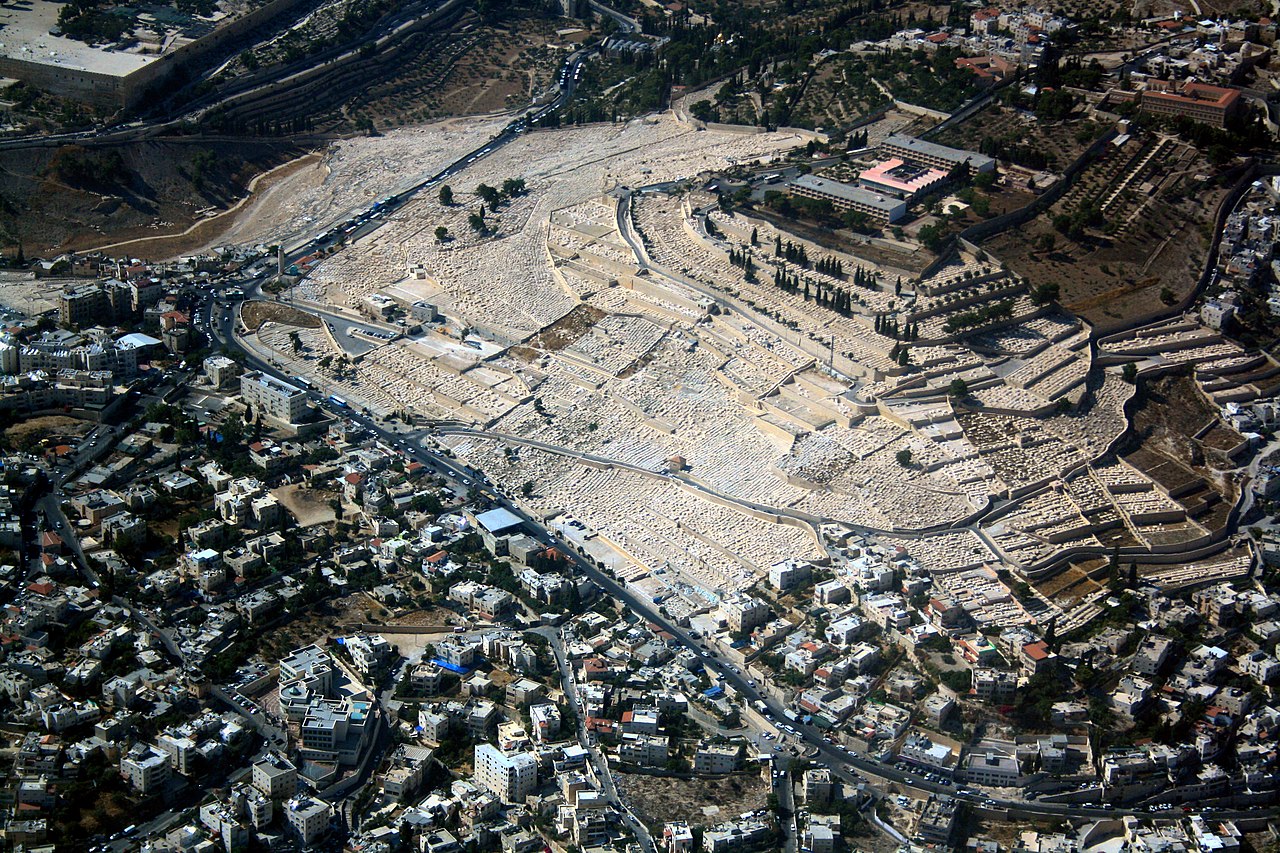
- The extensive Jewish cemetery on the western slope, often described as one of the largest Jewish cemeteries in the world, with graves dating back many centuries.
History and development
The Mount of Olives has been part of the Jerusalem landscape since antiquity. It appears in biblical texts and in later Christian pilgrimage accounts from the Byzantine period onward. Over time the site acquired churches, monasteries and graveyards; the agricultural terraces that once supported olive groves gave way in places to built monuments and pathways. Archaeological work has documented continuous human activity in the area from antiquity through the medieval period to the present.
Modern context and access
Today the Mount of Olives remains a focal point for worshippers, tourists and local residents. It lies immediately adjacent to the Old City and is commonly associated with East Jerusalem and with the broader territory often referred to in modern descriptions as the West Bank. Visitors commonly enter from the city or approach by road; viewpoints along the ridge provide one of the most photographed panoramas of Jerusalem. The site continues to be maintained by diverse religious communities and municipal authorities, and it attracts scholarly attention for both its archaeology and its living traditions.
For further reading on names, local traditions and detailed site descriptions see resources linked under the place names: mountain, Hebrew name, Arabic name, and background materials on each religious community's connection to the mount: Jewish, Muslim, and Christian.
The Mount of Olives remains a living landscape where archaeology, worship, and memory intersect, preserving layers of history while remaining an active site of pilgrimage and local life.
Related articles
Author
AlegsaOnline.com Mount of Olives — history, religious importance, and notable sites Leandro Alegsa
URL: https://en.alegsaonline.com/art/67061