
Mount Parnassus (Parnassos) — sacred mountain of central Greece
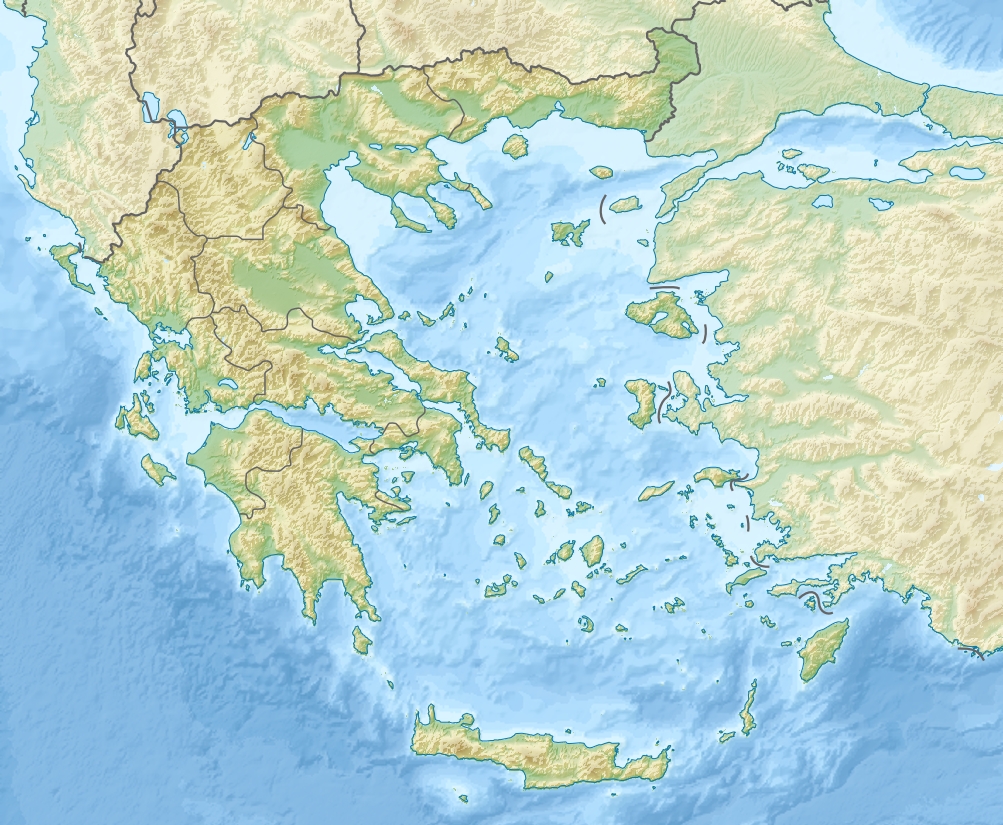
Mount Parnassus, a prominent limestone massif north of the Gulf of Corinth in central Greece, is famed for its role in Greek myth, its natural karst landscape, Delphi on its slopes, and modern outdoor recreation.
Overview
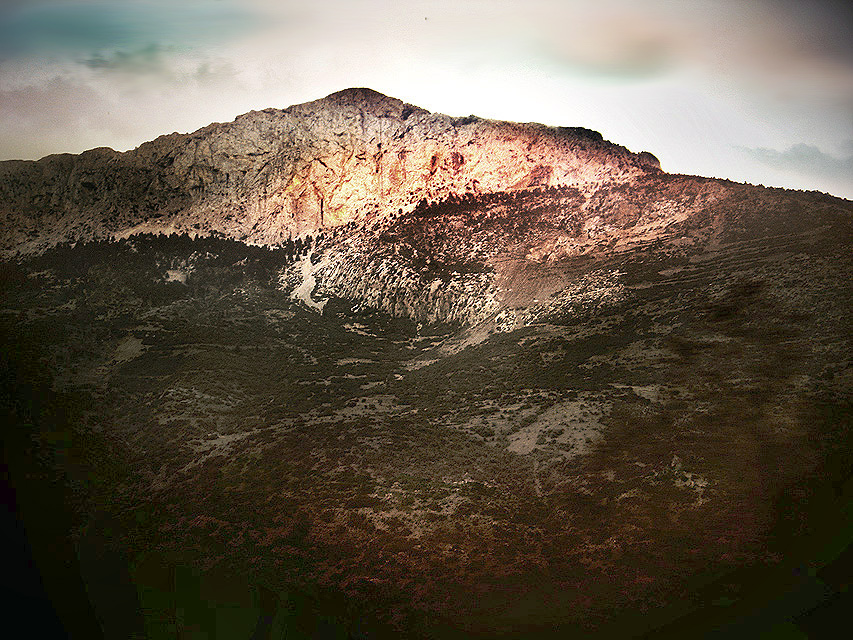
Mount Parnassus (Greek: Parnassos) is a prominent limestone mountain range in central Greece, rising above the northern shore of the Gulf of Corinth. Its highest summits reach alpine heights (roughly 2,457 m), and its western slopes cradle the ancient sanctuary of Delphi. The massif is chiefly composed of compact limestone, which has shaped steep cliffs, plateaus and cave systems.
Image gallery
8 Images



Myth and cultural importance
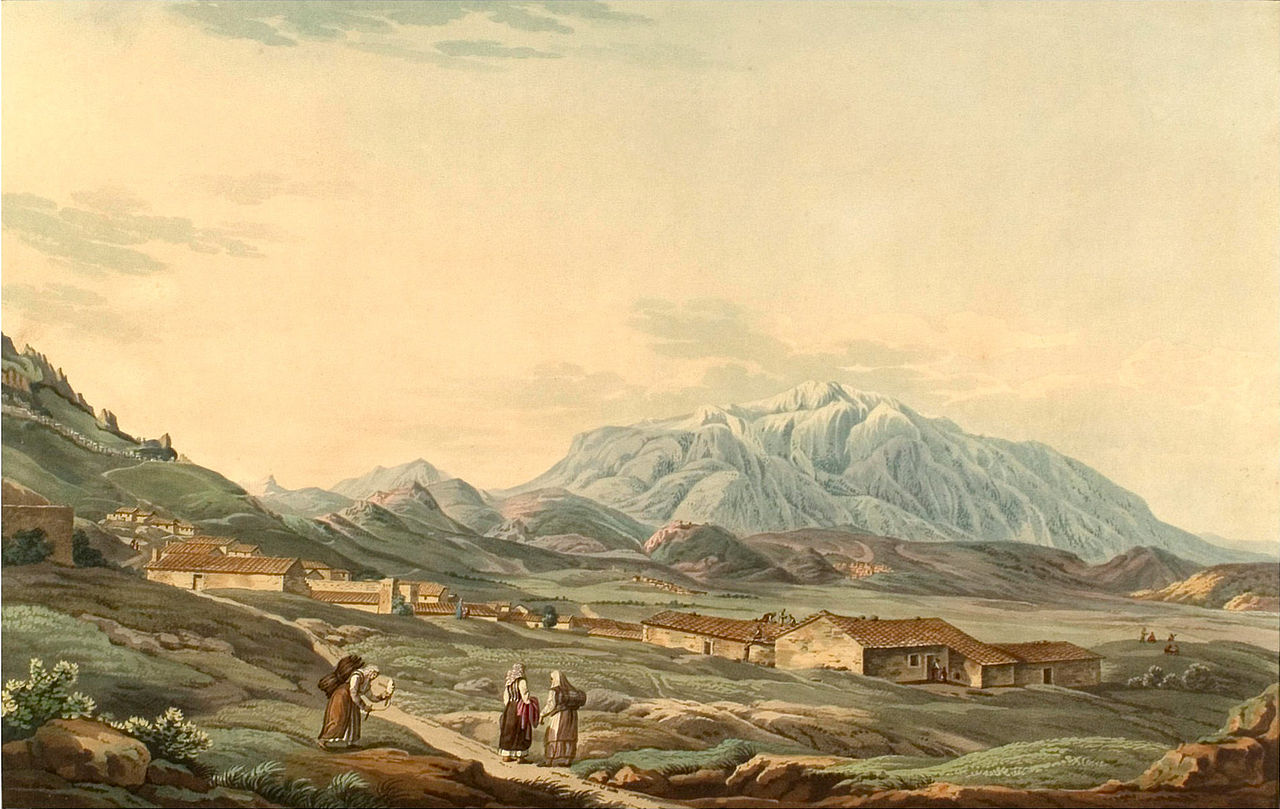
In Greek mythology Parnassus was closely associated with artistic inspiration and ritual. It was regarded as sacred to Apollo and traditionally cited as the dwelling place of the Muses, patrons of the arts and sciences. Myths also connect the mountain with the Castalian Spring, prophetic activity at Delphi, and with tales such as the refuge of Deucalion and Pyrrha after the flood.
Physical features and ecology
The mountain shows classic karst features: caves, sinkholes and rugged ridgelines. Vegetation changes with altitude, from Mediterranean scrub and oak woodlands at lower levels to fir and alpine grasslands near the peaks. The area supports diverse wildlife typical of Greek mountains, including raptors and endemic plants. Large tracts are managed for conservation and sustainable tourism.
Human use and attractions
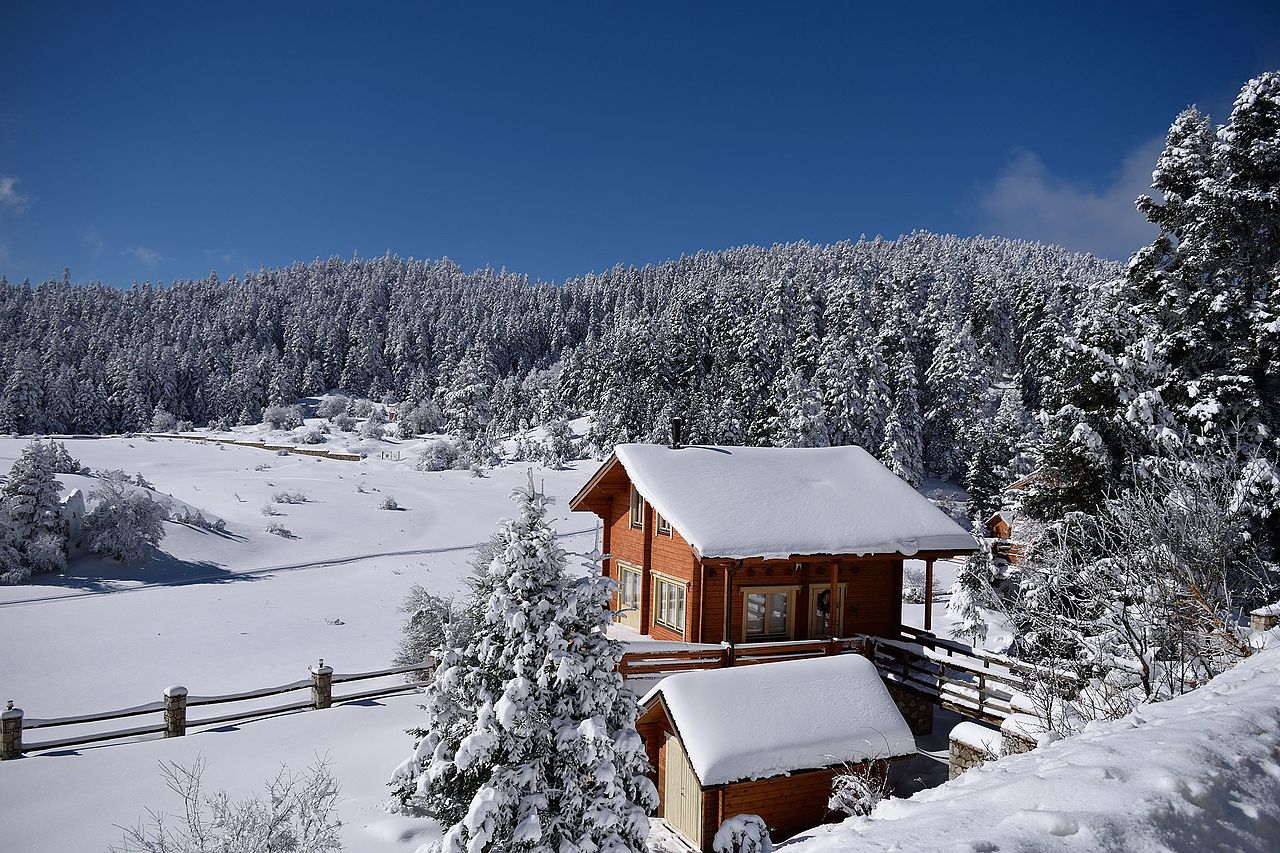
Parnassus has long combined religious, cultural and practical uses. Its slopes host the archaeological site of Delphi, seasonal shepherding and, in modern times, a popular ski resort near the town of Arachova. Hiking trails, cave visits and winter sports attract visitors year-round, while local towns provide access and services.
Notable facts and distinctions
- Delphi, on the mountain's slope, was one of ancient Greece's most important sanctuaries.
- The Corycian Cave and the Castalian Spring are notable natural and ritual locations.
- Parnassus has inspired poets and artists; the mountain's name became a symbol of poetic achievement.
Visiting and conservation
Today Parnassus is valued both for cultural heritage and outdoor recreation. Visitors can explore ruins, follow marked trails, ski in winter, or study its geology and flora. Ongoing conservation efforts aim to balance visitor access with protection of fragile habitats and archaeological sites. For more information on geology, history and travel options see resources linked for further reading: limestone geology, regional geography, mythology summaries, Apollo cult, and the Muses and the arts.
Related articles
Author
AlegsaOnline.com Mount Parnassus (Parnassos) — sacred mountain of central Greece Leandro Alegsa
URL: https://en.alegsaonline.com/art/67067
Sources
- peaklist.org : "Europe Ultra-Prominences"
- parnassos-ski.gr : The Parnassos Ski Centre
- commons.wikimedia.org : Mount Parnassus