
Assassination of Martin Luther King Jr.
On April 4, 1968 Martin Luther King Jr. was fatally shot in Memphis. The killing, the conviction of James Earl Ray, later investigations, and enduring controversy shaped U.S. history and civil rights memory.
Overview
On the evening of April 4, 1968, civil rights leader Martin Luther King Jr. was fatally shot while on the balcony of the Lorraine Motel in Memphis, Tennessee. King, a leading advocate of nonviolent protest and a Nobel Peace Prize laureate, was transported to a nearby hospital but was pronounced dead later that day. His assassination shocked the nation, prompted widespread mourning and unrest, and had a decisive influence on the course of American politics and civil rights law.
Image gallery
10 Images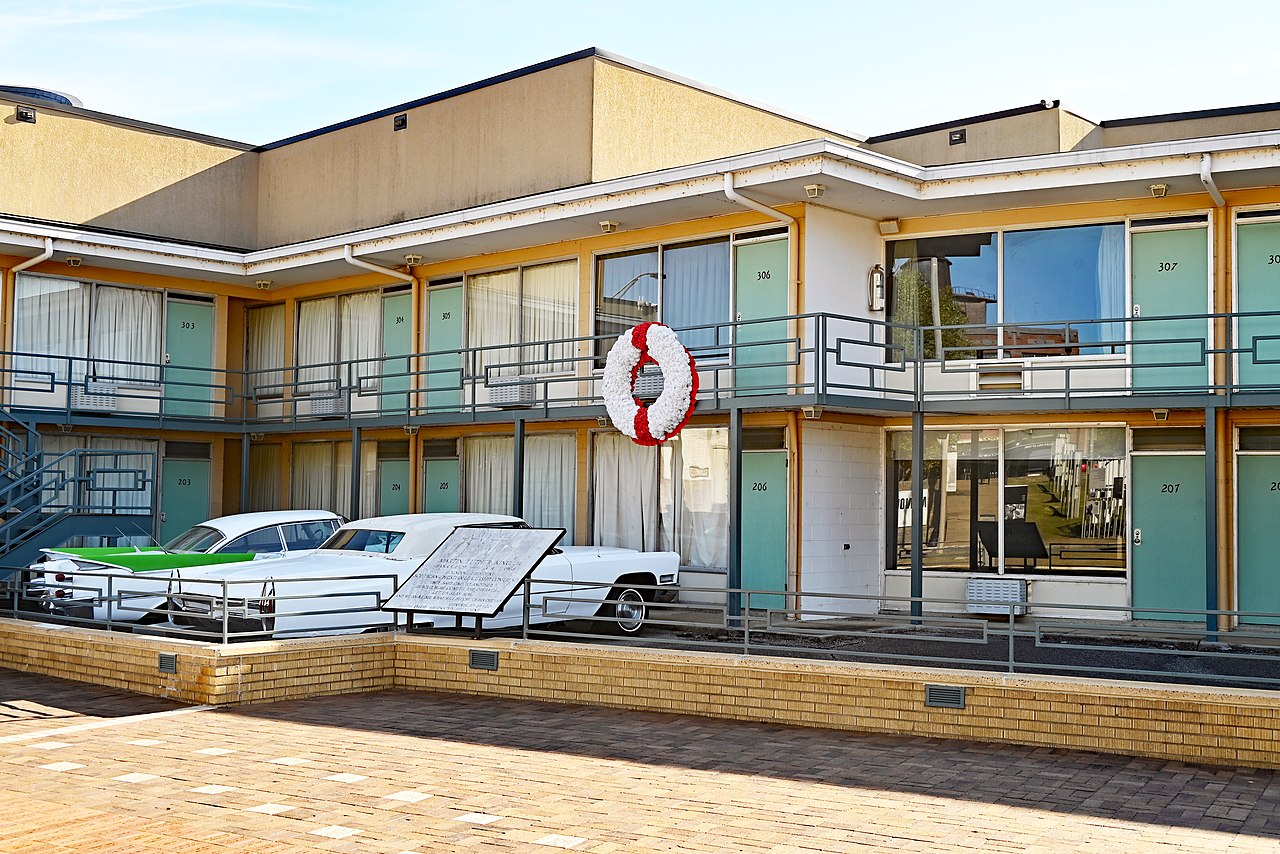


Circumstances and immediate aftermath
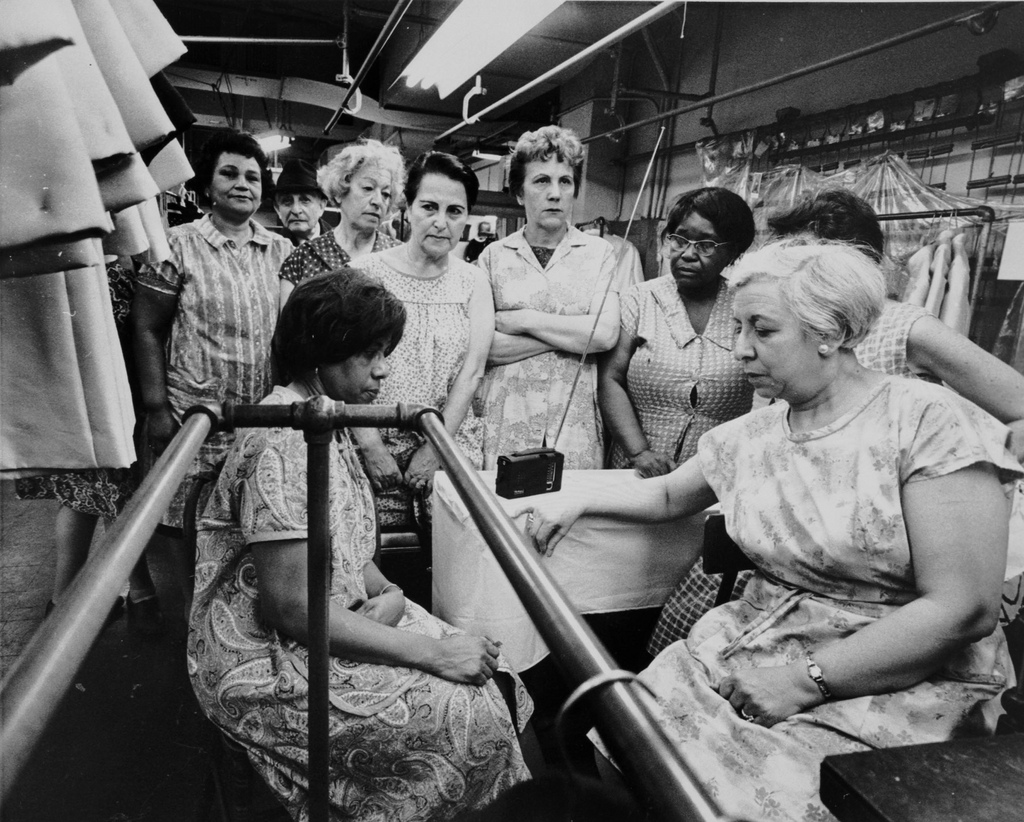
King had traveled to Memphis to support striking sanitation workers and to continue planning public demonstrations. He was standing on the motel balcony when a single bullet struck him. Emergency responders rushed him to St. Joseph's Hospital, where doctors were unable to save him. News of his death triggered spontaneous memorials, large public gatherings, and violent disturbances in many American cities. The assassination also intensified debates about racial injustice, urban policy, and political violence at a critical moment in U.S. history.
Investigation and conviction
Law enforcement conducted an extensive investigation that led to the arrest of James Earl Ray, a fugitive who had escaped from prison years earlier. Ray was charged with the killing and ultimately entered a guilty plea, receiving a lengthy prison sentence. In subsequent years he recanted his plea and sought to withdraw it, asserting his innocence and alleging a broader plot. Ray died in prison; his conviction remains the official criminal conclusion.
Official inquiries and controversy
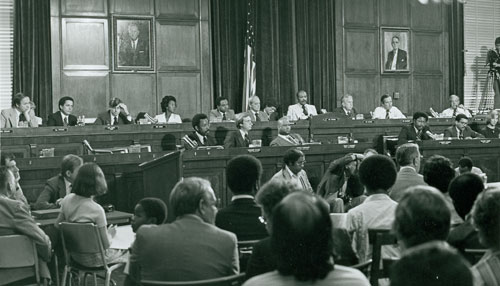
The circumstances of King’s death generated persistent controversy and conspiracy claims. A U.S. congressional inquiry in the 1970s concluded there was a likelihood of conspiracy, although it could not definitively identify all participants. In the 1990s a private claim surfaced from a local restaurateur who alleged involvement of others in the killing; the King family later pursued a civil suit. In a 1999 wrongful-death trial a jury found that the businessman and unnamed co-conspirators had been part of a conspiracy, a finding that remains disputed by some scholars and government officials. Debates over the completeness of official investigations and the weight of later claims continue to shape public understanding.
Legacy and significance
King’s assassination had immediate and long-term consequences. It helped spur passage of anti-discrimination legislation enacted shortly afterward, significantly affected public opinion about civil rights and social policy, and prompted national reflection on political violence. The Lorraine Motel has been preserved and converted into the National Civil Rights Museum, which commemorates King’s life and the broader movement for racial equality. King's death is remembered annually in ceremonies and remains a defining event in modern American history.
Notable facts and distinctions
- Legal outcome: The criminal conviction of James Earl Ray is the formal resolution of the murder in criminal court.
- Civil findings: A 1999 civil trial produced a jury finding that implicated other parties; civil verdicts and criminal convictions follow different standards of proof.
- Historical debate: Official records, journalistic investigation, congressional reports, and later testimony have all contributed to a complex public record with remaining disagreements.
Further reading and resources
- Contemporary news accounts and timelines
- Biographical overview of Martin Luther King Jr.
- History of the civil rights movement
- Primary-source reports on the assassination
- Information on the Lorraine Motel site
- Materials on nonviolent protest philosophy
- Context on civil disobedience in the 1960s
- Records related to James Earl Ray
- Arrest and extradition documents
- Court records and trial summaries
- Sentencing and prison records
- Information about Ray's death
- Medical reports and autopsy summaries
- Investigations into alleged conspiracies
- Statements and claims by witnesses
- Details of the 1999 wrongful-death civil suit
- Documentation on damages and legal outcomes
- Trial transcripts and testimony
- Scholarly reviews and historical analysis
- Visiting information for memorials and the museum
Questions and answers
Q: Who was Martin Luther King Jr.?
A: Martin Luther King Jr. was a prominent American leader of the civil rights movement and Nobel Peace Prize winner.
Q: Where did he die?
A: He died at the Lorraine Motel in Memphis, Tennessee on April 4, 1968.
Q: How old was he when he died?
A: He was 39 years old when he passed away.
Q: What is known about his death?
A: It is believed that James Earl Ray, a prisoner who ran away from the Missouri State Penitentiary, shot and killed him. Ray was arrested and charged with King's murder and sentenced to 99 years in prison.
Q: What do some people believe happened to cause King's death?
A: Some people believe there may have been a government conspiracy involved in his death as Loyd Jowers stated in 1993. The King family filed a wrongful death lawsuit against Jowers for $10,000,000 during which both parties gave evidence accusing the government of a conspiracy.
Q: What did the jury conclude based on this evidence?
A: The jury concluded that Jowers and "others were part of a conspiracy to kill King."
Related articles
Author
AlegsaOnline.com Assassination of Martin Luther King Jr. Leandro Alegsa
URL: https://en.alegsaonline.com/art/6706
Sources
- nytimes.com : nytimes.com/1999/12/09/us/memphis-jury-sees-conspiracy-in-martin-luther-king-s-killing.ht…
- cnn.com : "FBI tracked King's every move - CNN.com"
- archives.gov : Report of the Select Committee on Assassinations of the U.S. House of Representatives
- thekingcenter.org : "Trial Transcript Volume XIV"
- usdoj.gov : "USDOJ Investigation of Recent Allegations Regarding the Assassination of Martin Luther King, Jr"
- civilrightsmuseum.org : "National Civil Rights Museum"