
Assia Djebar: Algerian Novelist, Filmmaker and Chronicler of Women's History
Assia Djebar (Fatima‑Zohra Imalayen, 1936–2015) was an Algerian novelist, filmmaker and translator whose French‑language work explored women's lives, memory, colonialism and cultural identity.
Assia Djebar was the pen name of Fatima‑Zohra Imalayen (30 June 1936 – 6 February 2015). Born in Algeria, she wrote chiefly in French and became internationally known for fiction, essays and films that recover and reframe women's voices in North African history. Her Arabic name is sometimes rendered as آسيا جبار. She is widely described as an important Algerian literary figure whose work reached global readership.
Image gallery
2 Images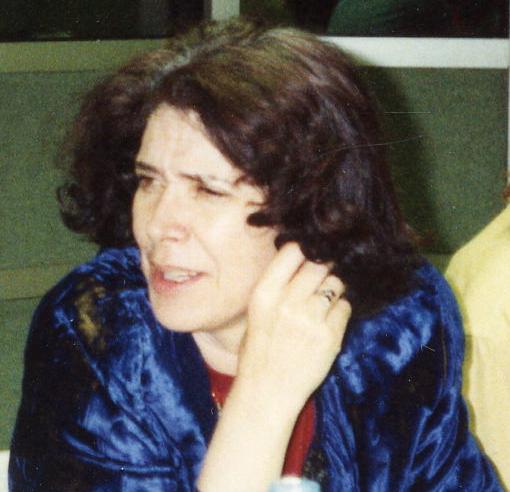

Overview of work and style
Djebar's writing combines narrative experimentation with historical investigation. She frequently used multiple perspectives, fragmented chronology and shifts of voice to represent memory and collective experience. Many of her books and films examine how women live, speak and survive within colonial and post‑colonial societies, and scholars often characterize her as a feminist author in the sense that she foregrounded women's testimonies and cultural agency.
Career highlights and recognition
Over several decades Djebar produced novels, short prose, essays and cinematic projects that blurred documentary and fiction. Her international standing was acknowledged by major honors: she received the Neustadt International Prize for Literature in 1996 and in 2005 became the first writer from the Maghreb elected to the Académie française. These distinctions reflected both literary achievement and a broader recognition of the subjects she brought into the French‑language canon.
Themes, concerns and methods
Recurring themes in Djebar's work include the effects of colonial rule, the recovery of silenced histories, language and translation as acts of identity, and the daily lives of women across generations. She often drew on archival materials, oral testimony and personal memory, weaving them into narratives that ask how history is written and by whom. Her films and prose sometimes experiment with form to suggest the limits of conventional narration.
Legacy and influence
Djebar's influence extends across literature, film studies and gender studies. Her books have been translated into many languages and continue to be taught in courses on francophone literature and post‑colonial studies. She spent her later years dividing time between Algeria, Europe and other cultural centers, and she died in Paris in 2015.
- Genres: novels, essays, short fiction, film.
- Languages: chiefly French, with translations into multiple languages.
- Notable recognitions: Neustadt Prize (1996); election to the Académie française (2005).
Today Assia Djebar is remembered as a writer who brought marginalized voices into dialogue with national and literary histories, and whose formal innovations sought to capture the complexities of memory, language and gender in the Maghreb and beyond.
Related articles
Author
AlegsaOnline.com Assia Djebar: Algerian Novelist, Filmmaker and Chronicler of Women's History Leandro Alegsa
URL: https://en.alegsaonline.com/art/6737