
Astrid Lindgren: Swedish Children's Author and Cultural Icon
Astrid Lindgren (1907–2002) was a Swedish author best known for Pippi Longstocking. Her books, characters, and themes reshaped children's literature worldwide and inspired adaptations, translations, and social debate.
Overview
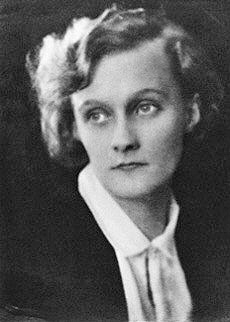
Astrid Lindgren (1907–2002) was a Swedish writer whose stories for children became internationally famous. She created enduring characters and imaginative worlds that emphasized freedom, curiosity, and moral imagination. Lindgren's work reached readers across generations and was translated, adapted for stage and screen, and published in many countries.
Image gallery
9 Images




Major works and characters
Her best-known creation is Pippi Longstocking, a fiercely independent girl with extraordinary strength, a playful outlook and a resistance to adult rules. Other notable books include tales about Emil of Lönneberga, Karlsson-on-the-Roof, and adventure stories such as The Brothers Lionheart and Mio, My Son. These works often paired humor with serious themes and memorable, empathetic protagonists.
Style, themes and impact
Lindgren's writing is marked by clear, lively prose, an emphasis on child-centered perspective, and an insistence on respect for children's autonomy. Her stories balance mischief and warmth while engaging with issues such as justice, courage, grief and resistance to authoritarianism. Because of this blend, her books have been used in schools and discussed by critics and parents alike.
History and background
Born Astrid Ericsson, she later took the name Lindgren. Early family life and experiences informed several of her characters and episodes. She first told some of her stories to family members before they were written down; for example, Pippi began as a tale to cheer a sick child. She had children, including a son named Lars, and family relationships influenced both the tone and the audience for much of her work.
Legacy and adaptations
Lindgren's books inspired films, television series, plays and illustrations worldwide. They have been translated into many languages and remain part of school reading lists and cultural conversations about childhood. Her influence extends beyond literature into debates about children's rights and the role of imagination in education.
Further reading and resources
Questions and answers
Q: What was Astrid Lindgren's birth name?
A: Astrid Lindgren's birth name was Astrid Ericsson.
Q: When was Astrid Lindgren born?
A: Astrid Lindgren was born on November 14, 1907.
Q: What nationality was Astrid Lindgren?
A: Astrid Lindgren was Swedish.
Q: What was Astrid Lindgren's occupation?
A: Astrid Lindgren was a writer.
Q: What type of books did Astrid Lindgren write?
A: Astrid Lindgren wrote many books for children.
Q: Did Astrid Lindgren have any children?
A: Yes, Astrid Lindgren had a son named Lars.
Q: Is Astrid Lindgren still alive?
A: No, Astrid Lindgren passed away on January 28, 2002.
Tags
Related articles
Author
AlegsaOnline.com Astrid Lindgren: Swedish Children's Author and Cultural Icon Leandro Alegsa
URL: https://en.alegsaonline.com/art/6822
Sources
- commons.wikimedia.org : Astrid Lindgren
- en.wikisource.org : Astrid Lindgren