
Assassination of Abraham Lincoln
The 1865 murder of U.S. President Abraham Lincoln at Ford's Theatre, the co-conspirators and attempted attacks on other officials, the manhunt that followed, trials and executions, and national consequences.
Overview
The assassination of Abraham Lincoln occurred on the evening of April 14, 1865, shortly after the effective end of the American Civil War. The nation’s leader was mortally wounded while attending a performance at Ford's Theatre in Washington, D.C. This act of political violence stunned the public and set off a large federal manhunt and a controversial legal response.
President Abraham Lincoln was shot while watching a comedy, an event often referenced in studies of 19th-century American politics and security. The killing took place on what was widely observed as Good Friday, and Lincoln died the next morning. The incident has been extensively examined for its motives, immediate effects, and long-term symbolic meaning.
Image gallery
10 Images

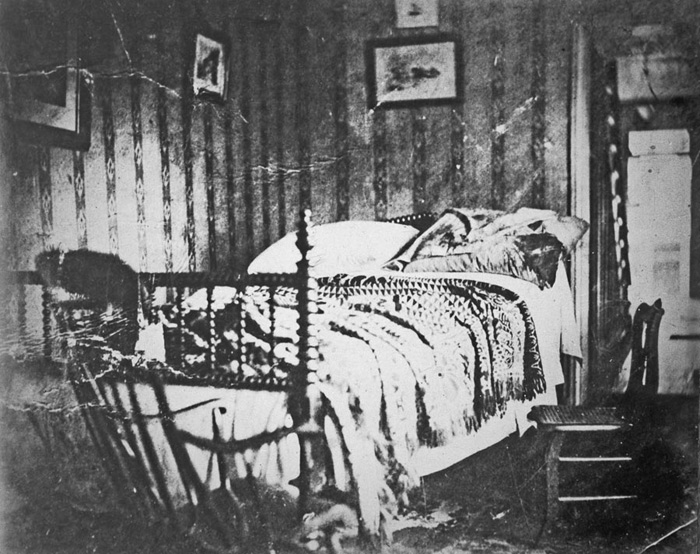

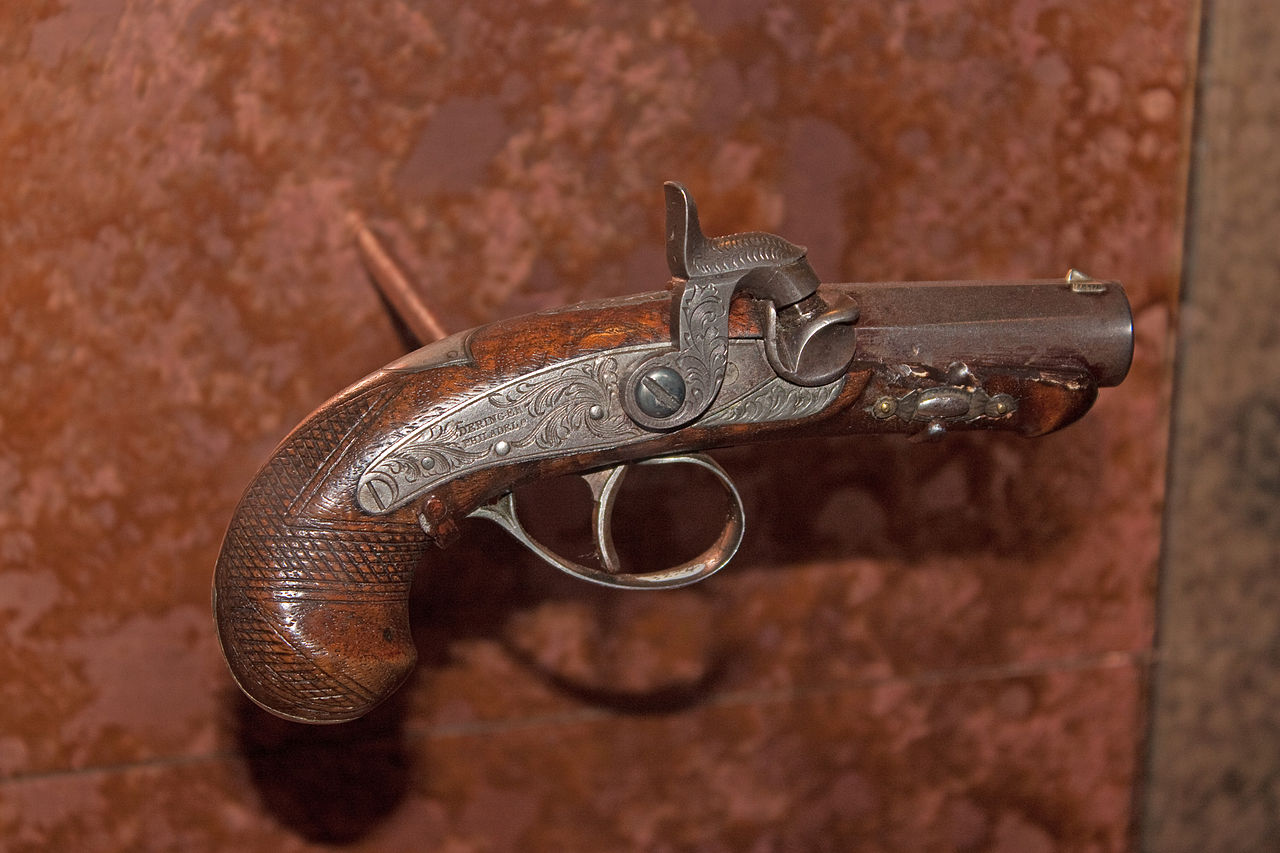


How the attack was carried out
The assassin entered the presidential box at Ford's Theatre and discharged a single pistol shot at close range. Medical attendants and physicians worked through the night, but the wound proved fatal. The gunman then fled the theatre and escaped Washington, initiating a sustained pursuit by federal troops and detectives. Contemporary accounts place the shooting during the third act of the play Our American Cousin, and the disruption of a public evening at the theatre amplified the shock felt across the city.
Conspiracy and other targets
The killing was not an isolated plan against Lincoln alone. The perpetrator was part of a small group that intended to decapitate the federal leadership by also attacking the Secretary of State and the Vice President. Their goal, as chronicled in historical records, was to create disarray in the Union government in the hopes of aiding the Confederate cause.
- John Wilkes Booth: the attacker and well-known stage actor with Confederate sympathies (Confederate support is often cited as his motivation).
- William H. Seward: the Secretary of State who was violently assaulted at his home but survived his wounds.
- Andrew Johnson: the Vice President, who was also a designated target but escaped harm.
Manhunt, capture, and legal aftermath
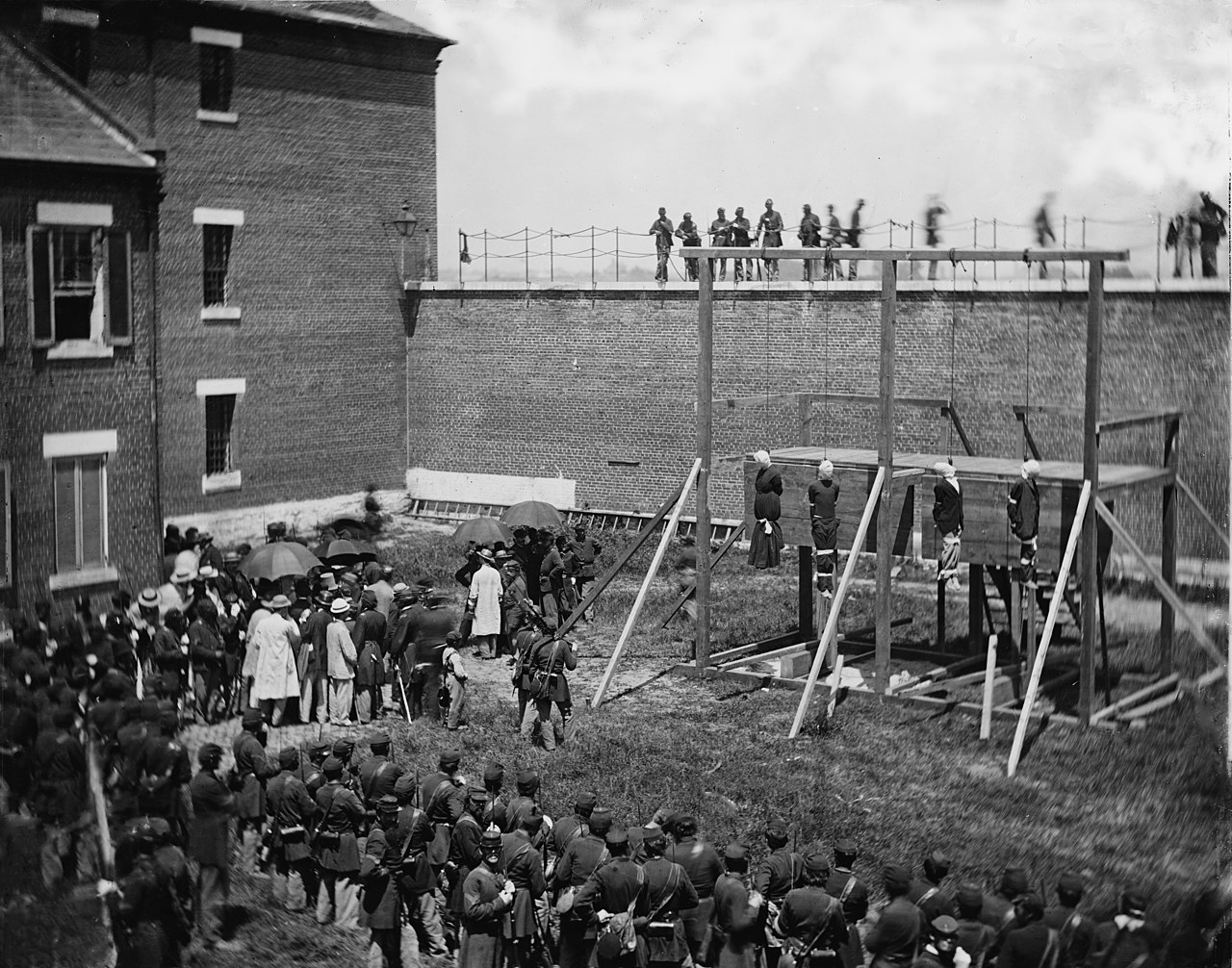
Following the shooting, authorities mounted a nationwide search. The assassin's flight and eventual discovery involved civilian informants and military detachments. He was located days later in rural surroundings and was killed during the attempt to capture him. Several alleged co-conspirators were arrested, tried by military commission, and some were executed, a response that raised questions about due process and the proper jurisdiction for trying civilians in peacetime acts of criminal violence.
Immediate and long-term significance
At the time, this event became a focal point for national mourning and had profound effects on the country’s transition from war to peace. It complicated Reconstruction politics and altered the leadership trajectory of the postwar federal government. Historically, Lincoln is remembered as the first American president to be assassinated, a distinction that shaped both contemporary reactions and later commemorations.
Key dates and legacy
- April 14, 1865: Shooting at Ford's Theatre in Washington, D.C..
- April 15, 1865: Death of the President and transfer of power to the Vice President (President succession).
- Subsequent weeks: Arrests, trials, and executions of several conspirators; national funeral and procession.
For further reading on the Civil War context and the national crisis surrounding the assassination, consult authoritative accounts of the American Civil War and biographies of the individuals involved. The event remains a pivotal moment in United States history, studied for its political implications, legal consequences, and cultural memory. Additional resources and archival materials provide detailed chronologies and primary-source documentation for researchers and the public alike (see assassination studies and collections).
Though many details of the killing and the subsequent proceedings have been intensely scrutinized by historians, the broad outlines — the shooting in a theater, the solver and the larger conspiracy, the manhunt and the trials, and the national sorrow that followed — are well established and continue to inform interpretations of the period.
Related topics: civil-military relations during Reconstruction, security of public officials, the role of partisan violence in the 19th century, and how a single act of violence can affect the course of national policy and memory.
Questions and answers
Q: When did Abraham Lincoln get assassinated?
A: Abraham Lincoln was assassinated on Good Friday, April 14, 1865.
Q: Where was Lincoln when he got assassinated?
A: Lincoln was watching the play Our American Cousin at Ford's Theatre in Washington, D.C. when he got shot.
Q: Who was responsible for Lincoln's assassination?
A: John Wilkes Booth, an actor and Confederate supporter, was responsible for Lincoln's assassination.
Q: What was the motive behind the assassination of Abraham Lincoln?
A: Booth hoped to create disorder and overthrow the Northern government by assassinating Lincoln along with other men such as William H. Seward and Vice President Andrew Johnson.
Q: Did William H. Seward and Andrew Johnson survive the assassination attempt?
A: Yes, William H. Seward and Andrew Johnson survived the assassination attempt while Lincoln did not.
Q: Who was the first American president to be assassinated?
A: Abraham Lincoln was the first American president to be assassinated.
Q: Was John Wilkes Booth successful in killing all his targets?
A: No, Booth was only successful in killing Lincoln, while his other targets survived the assassination attempt.
Related articles
Author
AlegsaOnline.com Assassination of Abraham Lincoln Leandro Alegsa
URL: https://en.alegsaonline.com/art/6699
Sources
- thecivilwarandnorthwestwisconsin.wordpress.com : "1865 April 29: The National Calamity—Further Details of the Assassination"
- beatricedailysun.com : "Beatrice resident saw Lincoln shot"
- history.co.uk : "Abraham Lincoln"
- books.google.com : The Life of Abraham Lincoln
- the-tls.co.uk : "With a smile on his face"
- backstoryradio.org : "Now He Belongs to the Ages - BackStory with the American History Guys"
- c-span.org : "President Lincoln's Thoughts on April 14, 1865"
- nytimes.com : "OUR GREAT LOSS; The Assassination of President Lincoln.DETAILS OF THE FEARFUL CRIME.Closing Moments and Death of the President.Probable Recovery of Secretary Seward. Rumors of the Arrest of the Assassins.The Funeral of President Lincoln to Take Place Next Wednesday.Expressions of Deep Sorrow Through-out the Land. OFFICIAL DISPATCHES. THE ASSASSINATION. Further Details of the Murder Narrow Recape of Secretary Stanton Measures Taken is Prevent the Escape of the Assassin of the President. LAST MOMENTS OF THE PRESIDENT. Interesting Letter from Maunsell B. Field Esq. THE GREAT CALAMITY"
- worldcat.org : 0362-4331 · archive.org