
Atomic bombings of Hiroshima and Nagasaki
The U.S. nuclear attacks on Hiroshima and Nagasaki in August 1945: what happened, how the weapons and targets were chosen, immediate and long-term effects, and the historical and ethical legacy.
Overview
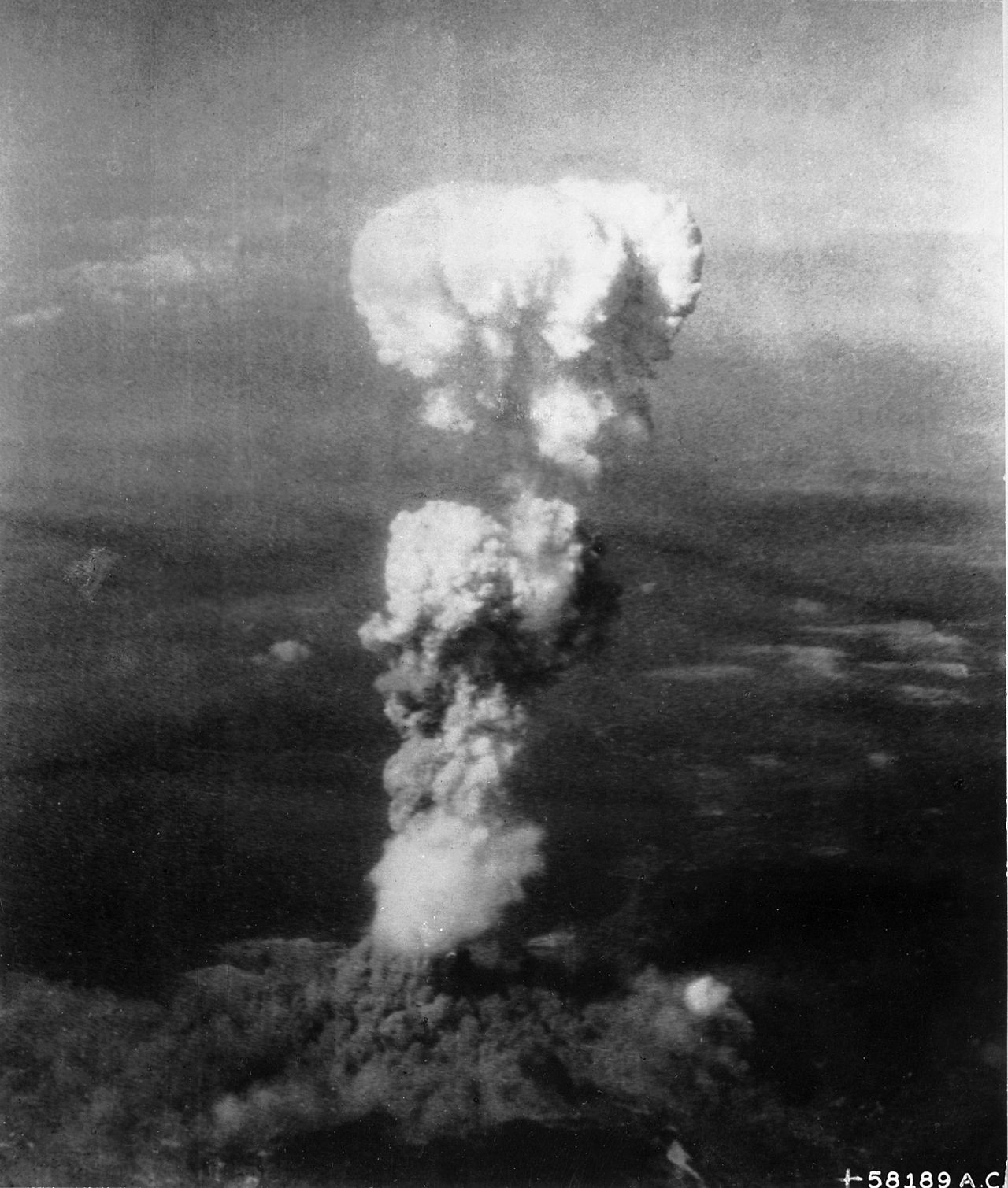
The atomic bombings of Hiroshima and Nagasaki were the first and only use of nuclear weapons in war. They occurred near the end of World War II and were carried out by the United States against the Empire of Japan. The first bomb, nicknamed Little Boy, was dropped on the city of Hiroshima on August 6, 1945. Three days later, on August 9, a second device, called Fat Man, was detonated over Nagasaki. The attacks followed years of conflict in the Pacific between the United States and other members of the Allies against the forces of Japan during World War II. The weapons were developed under the secret wartime effort known as the Manhattan Project, and the decision to use them was made by political and military leaders in the United States, including President Harry S. Truman.
Image gallery
10 Images


Weapons, targets, and selection
Two fundamentally different designs were employed: a gun-type uranium weapon (Little Boy) and an implosion-type plutonium weapon (Fat Man). These devices produced blast, thermal radiation, and prompt ionizing radiation, causing destruction that combined immediate physical damage with injuries and delayed health effects. Target cities were chosen for a mix of military and scientific reasons: they contained important military installations or industry, and their geography or built environment made it possible to measure damage for assessment of weapon effects. Hiroshima was a military command center and logistics hub; Nagasaki contained important wartime factories and shipbuilding facilities. Weather and visibility played a role in final targeting—Kokura was a primary target for the second mission but poor visibility led crews to attack Nagasaki instead. The selections and procedures were shaped by strategic, operational and technical considerations during the final months of the war.
Immediate effects and casualties
Both detonations produced intense blast waves and fires that destroyed large parts of the urban areas near ground zero. Buildings were flattened and many inhabitants were killed instantly by the explosion or by burns and collapsing structures. Those who survived the initial blast often suffered severe injuries from thermal burns, inhalation of smoke and dust, and acute radiation sickness. Casualty estimates vary and have been refined by historical and medical research; broadly cited figures place the number of deaths by the end of 1945 in the tens of thousands in each city, with many more deaths and injuries occurring later from radiation-related illnesses. Survivors, known in Japan as hibakusha, experienced long-term health effects including increased cancer risk and social and economic challenges. The urban destruction also disrupted food, shelter and medical services, compounding civilian suffering in the weeks and months that followed.
Timeline and context
- August 6, 1945: Hiroshima attacked with the uranium weapon.
- August 8, 1945: The Soviet Union declared war on Japan and invaded Japanese-held territory in Manchuria, formerly organized under Manchukuo.
- August 9, 1945: Nagasaki attacked with a plutonium implosion bomb after the primary target was obscured by clouds.
- August 15, 1945: The Japanese government announced its intention to surrender; formal signing occurred on September 2, 1945, ending hostilities in the Pacific.
These events unfolded against a background of sustained conventional bombing, naval blockade, and ground campaigns that had already inflicted heavy damage on Japan’s military capabilities and civilian infrastructure. Notably, large-scale incendiary bombing raids—such as the attack known as Operation Meetinghouse on Tokyo—had caused extensive destruction and loss of life earlier in 1945.
Aftermath, occupation and policy changes
After surrender, Japan was occupied and administered under Allied supervision; decisions about retaining the Emperor of Japan in a symbolic role and the structure of occupation were among the complex political arrangements that followed. The devastation to cities, combined with the social and medical needs of survivors, shaped postwar reconstruction and public attitudes toward nuclear weapons. In the decades that followed Japan adopted policies that limited nuclear development, and public advocacy by survivors and civil society contributed to movements for nuclear disarmament and nonproliferation. Internally, Japan also articulated principles that ruled out pursuing nuclear arms, commonly referred to as the Three Non-Nuclear Principles, reflecting a national aversion to nuclear weapons.
Controversies, legal and ethical debates
The decision to deploy atomic weapons has been debated by historians, ethicists and veterans ever since. Supporters of the decision argue that the bombings helped end the war quickly and likely avoided an invasion that would have caused many more casualties on both sides. Critics contend that Japan was already nearing collapse and that alternatives—continued blockade, demonstration of the bomb on an uninhabited area, or diplomatic conditions—might have ended the war without such mass urban casualties. Contemporary analyses also emphasize the role of the Soviet entry into the Pacific war in influencing Japan’s decision to accept surrender terms.
Prominent scientific voices had earlier warned about the implications of nuclear fission; for example, figures such as Albert Einstein played a role in the early alerts that led to government attention, while presidents and policy-makers—including Franklin D. Roosevelt and his successors—handled the political decisions. In the postwar era, international law, arms-control negotiations and treaties sought to constrain the spread and use of nuclear weapons, though the existence of such weapons has continued to shape global security dynamics.
Legacy and remembrance
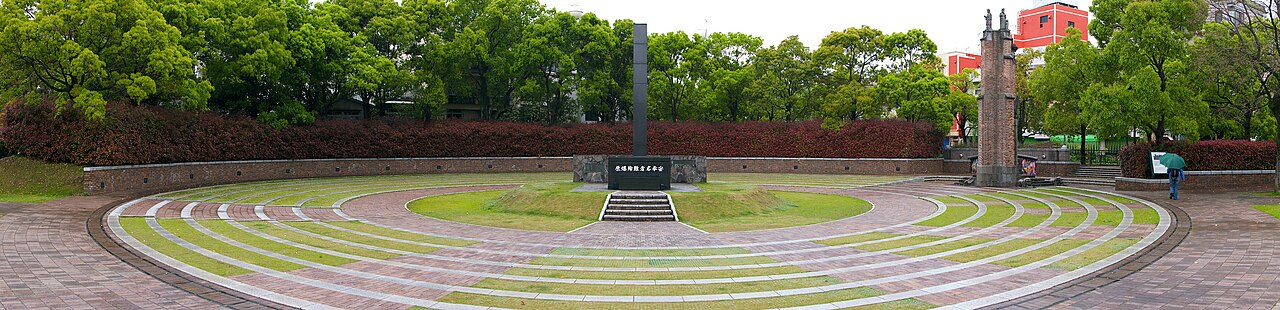
The bombings left enduring human and cultural legacies. Memorials, museums and annual ceremonies in Hiroshima and Nagasaki commemorate the victims and promote peace education. Medical research on survivors contributed important knowledge about radiation effects and informed protective standards. The events are widely studied as a turning point in modern warfare and international relations, raising profound questions about civilian protection, technological power, and the moral responsibilities of states in war. For further general historical background on the wartime and political context, readers can consult primary and secondary sources that cover the Empire of Japan, the broader course of World War II, the role of the United States and Allied strategy, and the development of nuclear weapons. Other useful entry points include studies of the cities themselves (Hiroshima, Nagasaki), the political leaders involved, and the wartime events in East Asia such as the Soviet offensive in Manchukuo.
Readers interested in technical, ethical or policy details can explore accounts of target selection and mission planning, which note practical matters such as geographical features—like river deltas that influenced bombing effects (river delta)—and the wartime practice of targeting cities that mixed military facilities with civilian populations. The occupation that followed made Japan an occupied territory for several years while its political and social systems were reformed. The atomic bombings remain a subject of documentary evidence, survivor testimony and scholarly analysis; they continue to shape debates about how modern societies should regulate the most destructive weapons ever created.
For concise introductions to specific individuals and institutions mentioned above, see materials relating to the role of presidents in wartime decisions, the scientific community’s warnings and reflections, and the administrative and moral consequences of the war’s final months. These topics connect the immediate physical consequences of the blasts to the longer processes of reconstruction, legal inquiry, memorialization and efforts to prevent future use of nuclear arms.
Note: This article provides a general, neutral summary of widely documented events and debates surrounding the atomic bombings. It does not catalogue the full range of research or primary-source evidence on casualties, policymaking or long-term health outcomes, and readers are encouraged to consult specialized historical, medical and legal studies for more detailed or technical treatment of particular aspects.
Empire of Japan World War II United States Allies Japan nuclear weapons Hiroshima Nagasaki President Harry S. Truman Manhattan Project Manchukuo river delta Emperor of Japan occupied territory Operation Meetinghouse Albert Einstein President RooseveltQuestions and answers
Q: What were the two nuclear weapons called?
A: The first bomb was called Little Boy and was to be dropped on Hiroshima, and the second bomb was called Fat Man and was to be dropped on Nagasaki.
Q: When did Japan officially surrender?
A: Japan officially surrendered to the Allied Powers on August 15th, 1945, six days after the explosion over Nagasaki. They signed the surrender paper on September 2nd.
Q: What caused Japan to surrender?
A: Japan surrendered due to a combination of factors including their lack of resources and strength as well as the atomic bombings of Hiroshima and Nagasaki. Additionally, they faced Soviet invasion of Manchukuo which further weakened their position in WWII.
Q: Why were Hiroshima and Nagasaki chosen for bombing?
A: Hiroshima and Nagasaki were chosen for several reasons. First, both cities were unsuitable for firebombing due to their river deltas preventing firestorms from being very effective. Second, both cities had areas which provided a good measurement for damage caused by the nuclear bombs. Thirdly, both cities contained strategic personnel and installations; Hiroshima was the headquarters of the 2nd General Army with 40,000 Japanese combatants stationed within its limits while Nagasaki contained two large Mitsubishi armament factories providing vital war components for Japan's war machine.
Q: Who wrote a letter about an atomic bomb before WWII began?
A: A scientist named Albert Einstein wrote a letter about an atomic bomb on August 2nd 1939 but later said "I made one great mistake in my life when I signed that letter recommending atom bombs be made."
Q: How many people died in Operation Meetinghouse Firebombing of Tokyo?
A: The Operation Meetinghouse Firebombing of Tokyo killed 100,000 civilians and destroyed 16 square miles in a single night.
Related articles
Author
AlegsaOnline.com Atomic bombings of Hiroshima and Nagasaki Leandro Alegsa
URL: https://en.alegsaonline.com/art/7043
Sources
- pbs.org : "Truman announces bombing of Hiroshima"
- cnn.com : "Why did the U.S. bomb Hiroshima?"
- history.co.uk : "Atomic bombs - WWII"
- atomicheritage.org : Summary of Target Committee Meetings May 10 and 11, 1945
- thenation.com : "The War Was Won Before Hiroshima—And the Generals Who Dropped the Bomb Knew It"
- worldcat.org : 0027-8378
- theatlantic.com : "If the Atomic Bomb Had Not Been Used"
- forbes.com : "The Nuking Of Japan Was A Tactical And Moral Imperative"
- thediplomat.com : "How Hiroshima and Nagasaki Saved Millions of Lives"
- thediplomat.com : thediplomat.com/