
Good Friday — Christian commemoration of the crucifixion
Good Friday is the Friday before Easter when many Christians commemorate Jesus Christ's crucifixion and death with solemn liturgies, fasting, processions and reflections; its date varies each year.
Overview
Good Friday is a principal day of Christian observance that commemorates the crucifixion and death of Jesus Christ. It falls on the Friday before Easter Sunday and is part of Holy Week, which begins with Palm Sunday and culminates in Easter. The day is sometimes called Holy Friday, Black Friday, or Great Friday in different languages and traditions.
Image gallery
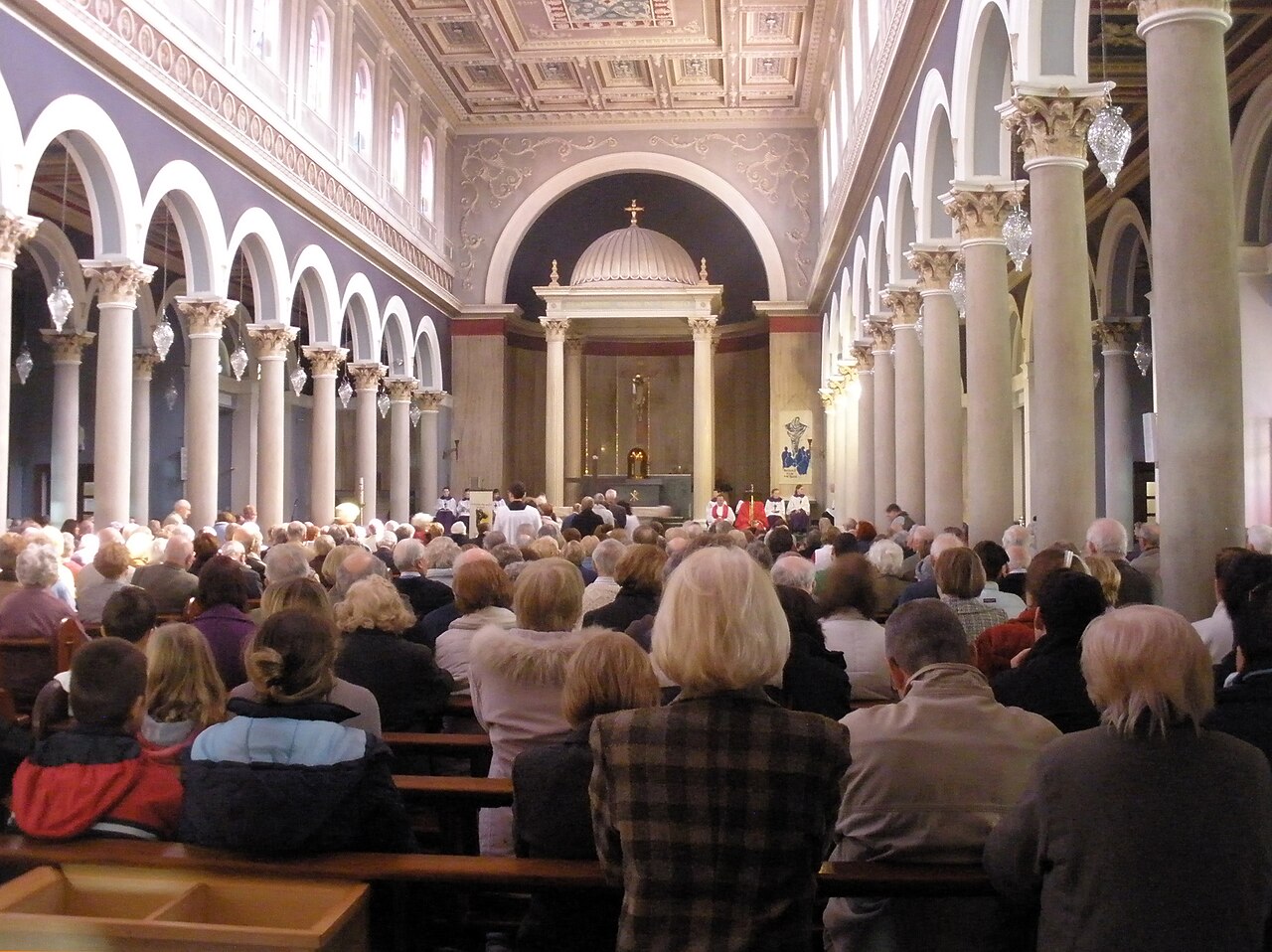
10 Images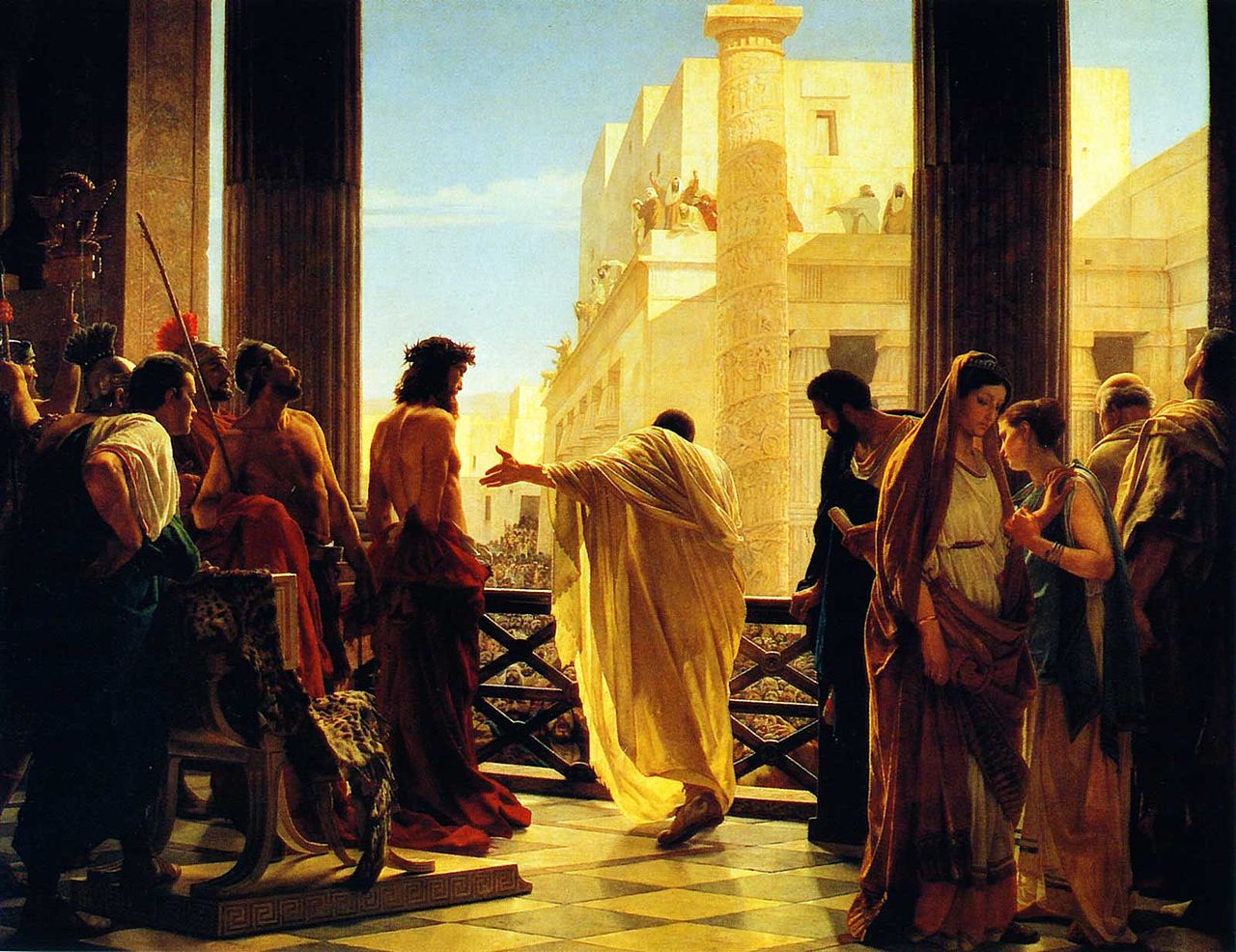






Meaning and theological significance
For most Christians, Good Friday marks the moment of Jesus’ suffering and death on the cross and is central to doctrines of atonement, reconciliation and redemption. Churches emphasize solemnity, penitence and silence. The liturgy commonly focuses on Gospel passion narratives, communal prayers, meditations, and the veneration of the cross. Different theological traditions interpret the significance of the crucifixion in distinct ways, but the event is widely regarded as foundational to Christian belief in resurrection and salvation.
Liturgy and typical practices
- Public and private liturgies: Passion readings, the Liturgy of the Word, and special devotional services such as Tenebrae.
- Veneration of the cross and Communion in many Western churches; services of Matins and Vespers or an evening service in Eastern traditions.
- Stations of the Cross and re-enactments in some communities; processions and prayers along designated routes.
- Fasting, abstinence and acts of charity as expressions of mourning and reflection.
Date, calendar and computation
The date of Good Friday changes each year because it is tied to Easter, which was set by early church rules and reaffirmed at the Council of Nicaea (AD 325). Easter is observed on the Sunday following the paschal full moon as determined by ecclesiastical tables rather than by direct astronomical observation; consequently Good Friday falls on the Friday before that Sunday. Different churches use different calendars for their ecclesiastical calculations, so Western churches that follow the Gregorian calendar and many Eastern Orthodox churches that follow the older Julian calendar can celebrate Easter and Good Friday on different dates. The timing often coincides with the Jewish festival of Passover, reflecting the Gospel narratives that place Jesus’ death in the Passover period.
History and chronology
The historical year of the events commemorated on Good Friday is debated among scholars. Many proposals place the crucifixion in the early first century AD, commonly around AD 30–33, though precise dating remains uncertain. Various historical and astronomical methods have been used to estimate a year; historically notable efforts include work by figures such as Isaac Newton, who attempted chronological reconstructions using biblical and astronomical data. Whatever the exact year, the commemoration of Jesus’ passion developed very early in Christian practice and became integral to Holy Week observances.
Regional observances and public life
Practices vary widely by denomination and country. In many predominantly Christian countries Good Friday is a civil public holiday with church services, state ceremonies, and closures of businesses and schools. Local customs often blend liturgical rites with cultural expressions: in some places elaborate processions and pageants are held, while in others the day is marked by quiet family observance. The event commemorated is the crucifixion of Jesus and the day is recognized as one of solemn reflection in Christian communities worldwide.
Ecumenical and cultural significance
Good Friday has both ecumenical and cultural resonance: it is a focal point for shared Christian memory across many denominations, and has influenced art, music, literature and public ritual. While observance and theological emphasis differ, the day commonly invites Christians to remembrance, repentance and preparation for the joy of Easter. For authoritative liturgical texts, historical accounts and denominational guidance consult recognized church resources and general reference works via trusted links such as Good Friday resources and denominational pages. Additional context on the calendar and chronology can be found through studies that discuss the relation between the Christian paschal cycle and the Jewish Passover.
For historical background and further reading see summaries of early Holy Week traditions and the debates over dating of the Passion in accessible reference works and denominational guides. A number of scholarly and devotional sources outline how centuries of practice shaped contemporary observance and how local cultures express the solemnity of the day.
Related topics: calendar computation, crucifixion accounts, life of Jesus, and studies on chronology such as work by Isaac Newton and later historians. See also general religious calendars at Good Friday overview and materials comparing Christian and Jewish observances around Passover.
Questions and answers
Q: Who observes Good Friday?
A: Good Friday is usually observed by Christians.
Q: What are some other names for Good Friday?
A: Good Friday is also called Holy Friday, Black Friday, or Great Friday.
Q: Why is Good Friday observed?
A: Good Friday is observed to remember the crucifixion of Jesus Christ, his death, and his rising from the dead.
Q: When is Good Friday usually observed?
A: Good Friday is often at the same time as the Jewish holiday of Passover.
Q: In what year is it estimated that Good Friday occurred?
A: Good Friday is estimated to have occurred in AD 33 by two different groups, and at first as AD 34 by Isaac Newton by the differences between the Biblical and Julian calendars.
Q: Why is Good Friday important to Christians?
A: Good Friday is important to Christians because it is a reminder of the sacrifice Jesus made for them and his resurrection from the dead, which is the foundation of their faith.
Q: How do Christians observe Good Friday?
A: Christians may observe Good Friday through fasting, church services, and prayer to reflect on the message of the holiday.
Related articles
Author
AlegsaOnline.com Good Friday — Christian commemoration of the crucifixion Leandro Alegsa
URL: https://en.alegsaonline.com/art/39628
Sources
- mirabilis.ca : Astronomers on the Date of the Crucifixion