
John Wilkes Booth: Actor and Assassin of President Abraham Lincoln
Biography of John Wilkes Booth covering his life, acting career, motives for assassination, the shooting of Abraham Lincoln, the manhunt and Booth’s death, subsequent trials, and historical legacy.
Overview
John Wilkes Booth (May 10, 1838 – April 26, 1865) was an American stage actor who assassinated President Abraham Lincoln at Ford's Theatre in Washington, D.C., on April 14, 1865. Lincoln died the following morning. Booth’s act brought immediate national shock and set in motion a large manhunt and the legal prosecution of several co-conspirators.
Image gallery
10 Images


Early life and theatrical career
Booth was born in Bel Air, Maryland, into a well-known theatrical family of English immigrant parents. He trained and worked on the nineteenth-century American stage and became a celebrated stage performer, admired for his physical presence, elocution, and roles in popular dramas. His public reputation as an actor contrasted with private political views that increasingly aligned with the Confederacy.
Political views and motives
During the American Civil War, Booth expressed strong opposition to President Lincoln’s policies. He was particularly angry about measures that expanded rights for formerly enslaved people, including efforts toward voting rights and legal protections. Initially involved in plans to kidnap Lincoln and exchange him for Confederate prisoners, Booth’s plot hardened into an assassination plan as the Confederacy collapsed in April 1865. He later said he intended the killing to aid the Southern cause by creating political chaos.
The assassination
On the evening of April 14, 1865, while Lincoln attended a performance of the comedy Our American Cousin, Booth entered the presidential box, shot Lincoln at close range with a derringer pistol, and leapt onto the stage, sustaining a leg injury. He escaped the theater in the ensuing confusion and fled Washington. Lincoln was taken across the street to a boarding house, where he died the following morning.
Manhunt and death
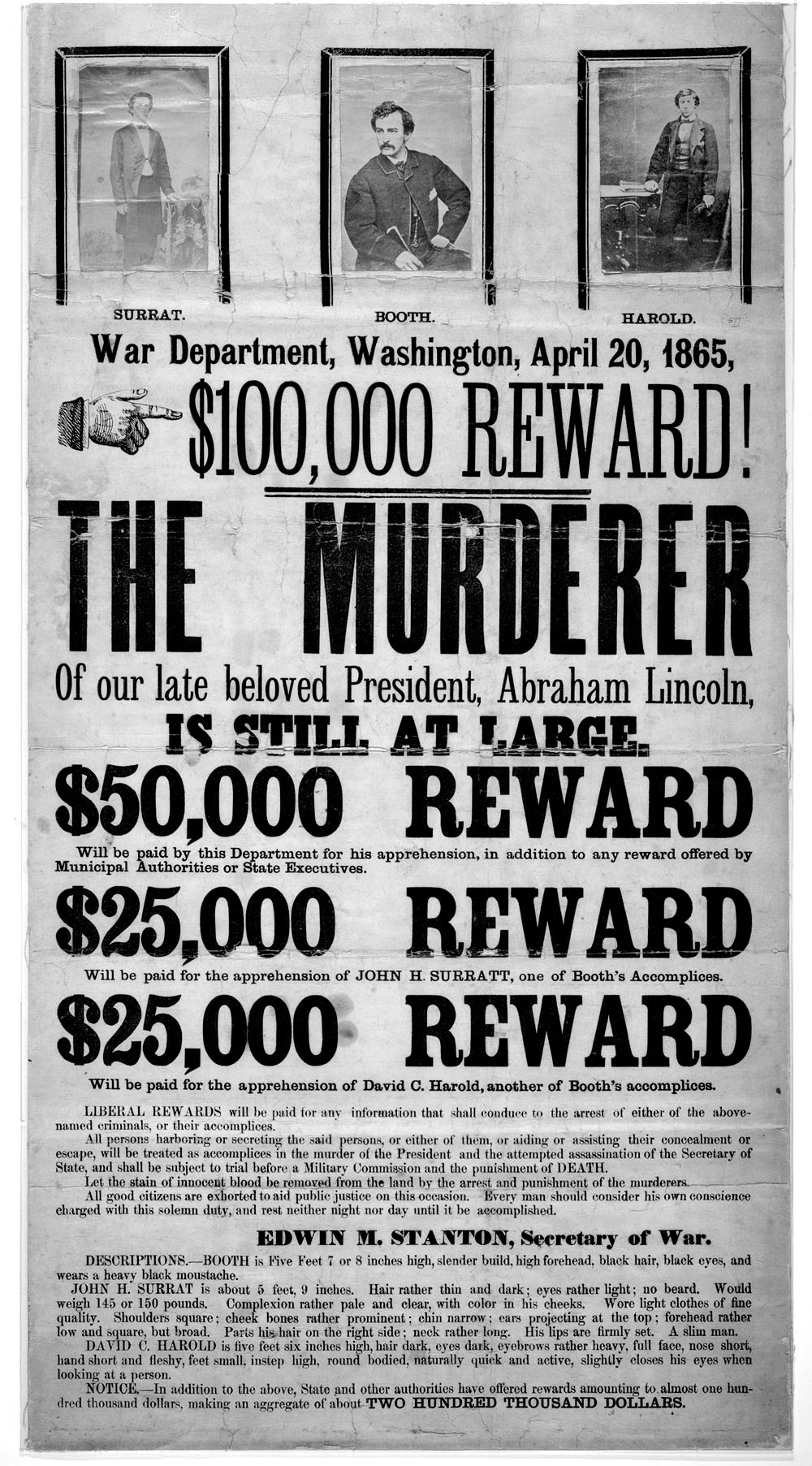
Federal authorities mounted an intensive manhunt. Booth fled through Maryland and into rural territory, seeking aid from Confederate sympathizers. Twelve days after the assassination, on April 26, 1865, he was located at a tobacco farm in rural Virginia. Surrounded by soldiers, he was shot and mortally wounded; contemporary accounts identify a member of the detachment, Corporal Boston Corbett, as the man who fired the fatal shot. Booth died a few hours later.
Conspirators, trials and consequences
Several people who had helped Booth or conspired with him were arrested. A military commission tried the principal suspects; among those executed after conviction were Mary Surratt, Lewis Powell (also known as Lewis Payne), David Herold and George Atzerodt. Other participants received prison sentences. The legal handling of the conspirators and the use of military tribunals were controversial and influenced later debates about civil liberties during emergencies.
Historical significance and legacy
The assassination profoundly affected the nation. It deepened the period of national mourning, influenced the course of Reconstruction policy by removing Lincoln’s leadership at a critical moment, and cemented Lincoln’s place in public memory as a martyr for the Union. Booth’s name became synonymous with political violence and is remembered as dramatically transforming American history with a single act. For theatrical histories and biographical overviews see general actor biographies and specialized theatre studies; for primary documents consult assassination records and official files such as assassination records and presidential archives.
Further reading and resources
Researchers often consult collections at archives and libraries that hold Civil War materials, contemporary newspapers, trial transcripts, and personal papers. Relevant collections include institutional Civil War repositories, local histories of Maryland and Virginia, and family papers such as the Booth family materials. Biographical summaries, curated primary-source compilations, and theater reference works provide context for both Booth’s public career and the assassination’s impact: see general guides and digitized collections at major archives and historical societies (theatre collections, Confederate-era materials, and voting rights era documents).
For access to digitized materials and curated exhibits, consult online portals and catalog records identified by archival institutions (Lincoln documents, Ford's Theatre resources, and other repository guides available through research libraries and historical centers).
Questions and answers
Q: Who assassinated U.S. President Abraham Lincoln?
A: John Wilkes Booth assassinated U.S. President Abraham Lincoln on April 14, 1865 in Washington, D.C.
Q: Where was John Wilkes Booth born?
A: John Wilkes Booth was born in Bel Air, Harford County, Maryland to English immigrant parents.
Q: What was John Wilkes Booth's profession?
A: John Wilkes Booth was a very well-known stage actor who supported the Confederacy during the American Civil War.
Q: Why did he assassinate Abraham Lincoln?
A: He was angry with Lincoln for supporting voting rights for former slaves and hoped to rally the remaining Confederate troops to keep fighting the war which was coming to an end.
Q: How long after shooting him did it take for United States soldiers to catch up with him?
A: It took twelve days after he shot Lincoln for United States soldiers to catch up with him and kill him at a farm in Virginia.
Q: Was there any other motive behind his assassination of Abraham Lincoln besides rallying Confederate troops?
A: Yes, he wanted revenge against Abraham Lincoln for supporting voting rights for former slaves.
Related articles
Author
AlegsaOnline.com John Wilkes Booth: Actor and Assassin of President Abraham Lincoln Leandro Alegsa
URL: https://en.alegsaonline.com/art/50861