
Assassination of Olof Palme
The 1986 murder of Swedish Prime Minister Olof Palme in central Stockholm, the long investigation, major suspects, later developments and the event's political and social legacy.
Overview
On the night of 28 February 1986 the Swedish prime minister Olof Palme was shot and fatally wounded while walking home from a cinema with his wife. The shooting occurred on the central Stockholm street Sveavägen shortly after 23:21 CET (22:21 UTC). Palme's wife, Lisbet Palme, was slightly wounded by a second shot. The couple were unguarded at the time. The killing stunned Sweden and launched one of the nation's most extensive and controversial criminal inquiries.
Image gallery
8 Images




Background
Olof Palme had been a prominent figure in Swedish and international politics for decades. As prime minister and leader of Sweden's Social Democratic Party, he was known for outspoken views on foreign policy and social issues. The assassination occurred in a country that prided itself on openness and low-security public life, and the murder undermined that perception.
The night of the murder
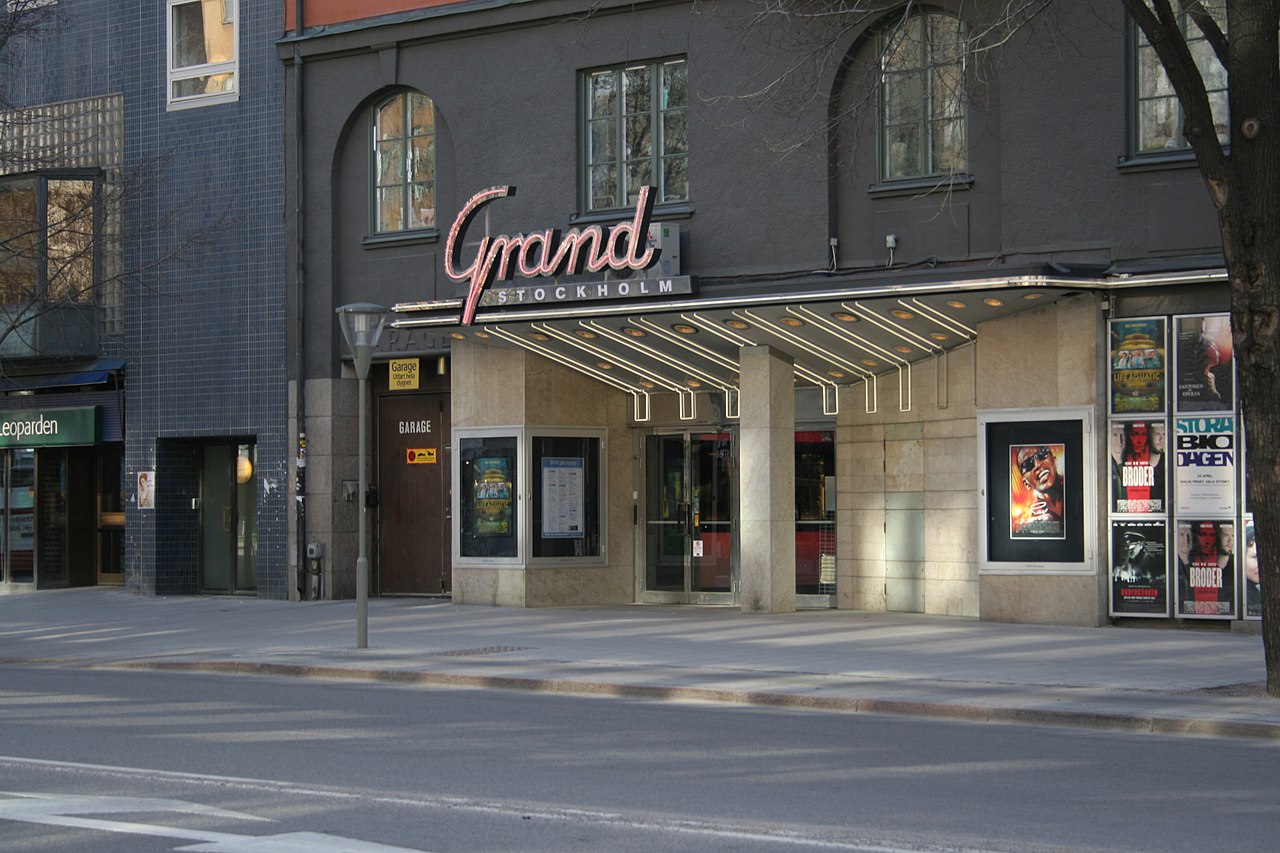
The attack took place outside the Grand cinema area on Sveavägen in central Stockholm. Eyewitnesses reported seeing the couple walking together when shots rang out. Bystanders and emergency services arrived quickly, but Palme died at the scene. Within hours, Deputy Prime Minister Ingvar Carlsson was sworn in as prime minister to ensure governmental continuity.
Investigation
The investigation grew into a long-running and often criticized effort involving thousands of leads, witness statements and forensic tests. Swedish police and intelligence agencies worked on the case for decades. The inability to produce a single, definitive and legally binding reconstruction of events left many questions open, and the case generated numerous competing theories ranging from lone criminals to politically motivated conspiracies.
Key suspects and legal proceedings
One of the best-known suspects was Christer Pettersson, who was identified by Lisbet Palme and convicted in 1988. He was later acquitted on appeal (acquitted) and died in 2004. Other individuals and groups have been suggested over the years, but many proposals remained speculative or unproven in court.
Later developments
Over subsequent decades there were intermittent breakthroughs, revisions and public debate about investigative methods and evidence. In February 2020 the chief prosecutor announced that a probable assassin had been identified and indicated that prosecutors would either bring charges or close the investigation; public statements noted that the likely suspect was deceased, complicating any final legal closure. Authorities have periodically released information and summaries as part of efforts to bring clarity to the case.
Significance and legacy
The Palme assassination had enduring political and social consequences. It shattered assumptions about the safety of public political life in Sweden, prompted changes in security arrangements for senior officials, and left a lasting imprint on national memory. The murder has inspired extensive journalism, scholarly study and public discussion, and memorials and commemorations are held annually. For readers seeking further context, contemporary reporting, biographies and government records provide primary material and interpretation (biographical, national, chronology, time reference, official, location).
Controversies and public questions
The case remains a subject of debate because of disputed witness testimony, limitations in forensic evidence from the time, and a wide range of alternative theories. Discussions about the investigation touch on policing practices, intelligence cooperation and media coverage. Although some investigative chapters are closed, the event continues to be studied as a seminal episode in Sweden's modern political history.
Related articles
Author
AlegsaOnline.com Assassination of Olof Palme Leandro Alegsa
URL: https://en.alegsaonline.com/art/6707
Sources
- regeringen.se : The investigation committee report (1999:88), p. 173
- dn.se : "Palmemordet i siffror"
- expressen.se : "Borta men inte glömda"