
Assassination of President James A. Garfield
The July 1881 shooting of President James A. Garfield in Washington, D.C., by Charles J. Guiteau, his prolonged death, trial of the assassin, and the episode's impact on U.S. civil service reform.
Overview
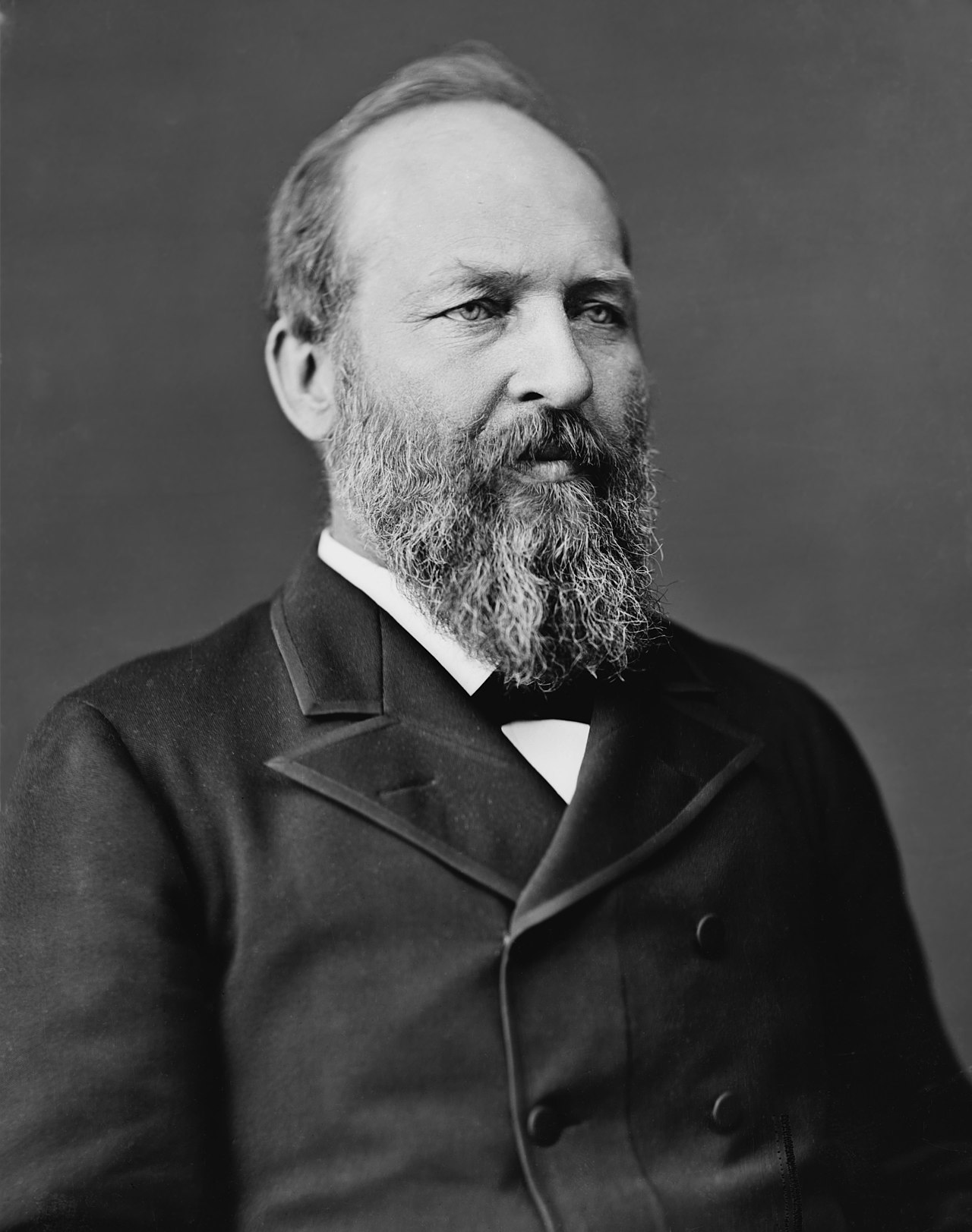
The assassination of President James A. Garfield took place in Washington, D.C., on July 2, 1881. Garfield, the 20th President of the United States, had taken office only months earlier. He was shot by Charles J. Guiteau, a disgruntled office seeker, and survived the immediate attack but died after a protracted illness on September 19, 1881. The event remains a landmark in U.S. political and medical history.
Image gallery
10 Images





The shooting and immediate circumstances
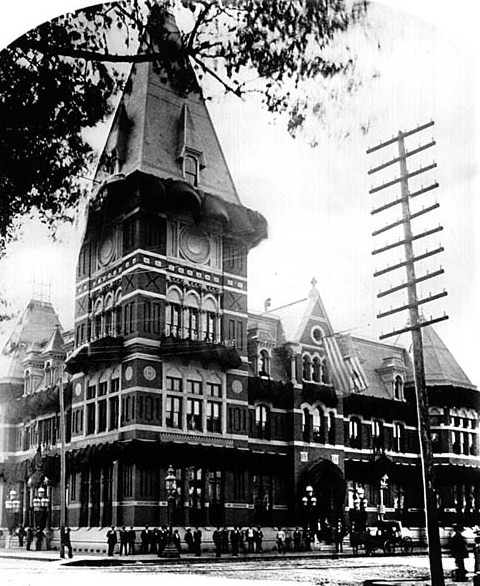
On the morning of July 2, President Garfield was at a railroad station in Washington when Guiteau approached and fired two shots. The president was struck and severely wounded. Among those at Garfield's side at the time was Secretary of State James G. Blaine. The attack was carried out by a man who believed he had been entitled to political reward for supposed contributions to Garfield's election.
Medical care, complications, and death
Garfield received care from several physicians operating with the knowledge and practices of the era. Infections set in around the wounds, and his condition deteriorated over the following weeks. He lingered for nearly eleven weeks before dying on September 19, 1881. Modern historians and medical writers have debated the relative roles of the gunshot injuries and subsequent medical treatment in causing his death.
Motive, trial, and execution
Charles J. Guiteau was an unstable and persistent office seeker who believed he deserved a government post for his support of the campaign. He was arrested at the scene, tried for murder, convicted, and sentenced to death. Guiteau was executed for the crime; the case drew extensive public attention and raised questions about criminal responsibility and mental illness.
Aftermath and political impact
Vice President Chester A. Arthur succeeded Garfield as president. The assassination intensified public debate over patronage and government appointments, helping to build momentum for civil service reform. This pressure contributed to passage of the Pendleton Civil Service Reform Act a few years later, which instituted competitive examinations and curbed the spoils system.
Notable facts and wider context
- Garfield was one of four U.S. presidents assassinated; earlier, Abraham Lincoln had been killed during his second term, and subsequently William McKinley and John F. Kennedy would also be assassinated in later years.
- The episode highlighted limitations in contemporary medical practice and prompted discussion about presidential security and the treatment of violent offenders.
Significance
The assassination of James A. Garfield is remembered both for its immediate human tragedy and for its lasting institutional effects. It changed public attitudes toward patronage, influenced reform of the federal workforce, and remains a case study in how political violence, medical practice, and legal proceedings intersect in a democracy.
For further reading, see sources on the shooting, the trial of the assassin, and the political reforms that followed, including archival materials and contemporary accounts available through historical collections. Washington, D.C. Charles J. Guiteau
Related articles
Author
AlegsaOnline.com Assassination of President James A. Garfield Leandro Alegsa
URL: https://en.alegsaonline.com/art/6702