
Assassination of Mahatma Gandhi (1948)
Overview of Mahatma Gandhi's assassination on January 30, 1948: the event, motivations of the killer, legal aftermath, and the impact on India’s politics and collective memory.
Overview
On 30 January 1948 Mohandas Karamchand Gandhi, widely known as Mahatma Gandhi, was fatally shot during a public prayer meeting at Birla House in New Delhi. The attack ended the life of the leader most associated with India’s nonviolent independence movement and triggered nationwide shock and mourning. For more on Gandhi’s life and ideas see Mahatma Gandhi.
Image gallery
4 Images
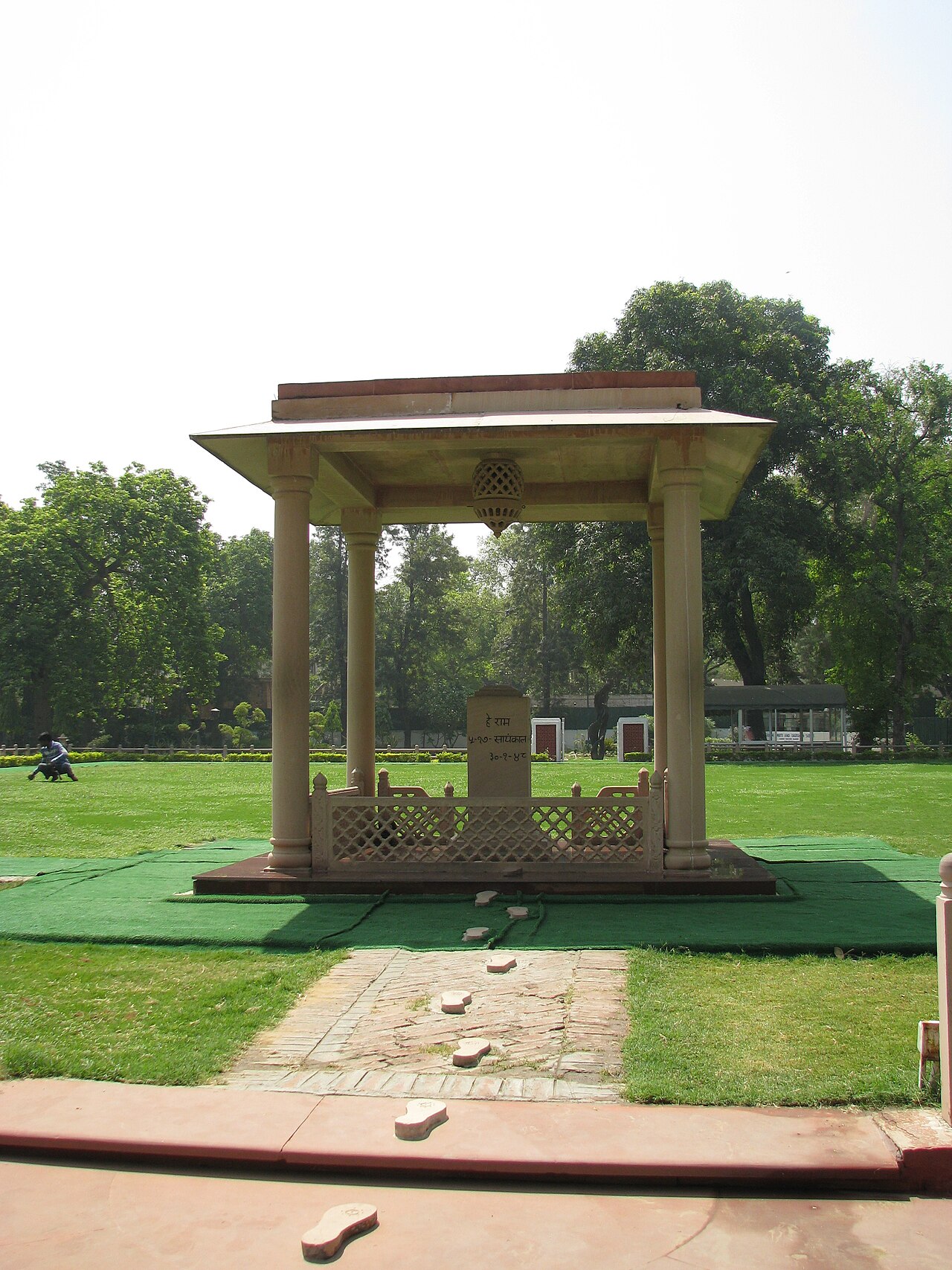


Context and motives
The killing occurred in the charged aftermath of the 1947 partition of British India and the communal violence that followed. Gandhi had campaigned vigorously for reconciliation between Hindus and Muslims and had taken public steps intended to reduce communal strife. His conciliatory stance was criticized by some Hindu nationalist activists who believed he favored Muslim interests. The assassin, Nathuram Godse, was associated with Hindu nationalist circles and later stated that he killed Gandhi because he believed Gandhi’s policies harmed Hindu interests.
Event, arrest and trial
Gandhi was shot at close range while walking to the prayer platform. The assailant was seized at the scene and identified quickly. Godse and several co‑conspirators were put on trial; the principal defendant was convicted and sentenced to death. The executions and prison sentences of others followed judicial proceedings that drew sustained public attention and debate.
Aftermath and legacy
The assassination prompted a period of national mourning and had immediate political consequences, including a temporary government crackdown on some extremist organizations. Long term, Gandhi’s assassination intensified efforts to preserve his memory and principles: his birthday and the anniversary of his death are observed in various forms, and the event remains a focal point in discussions about nonviolence, communal relations, and modern Indian history.
Notable points
- Gandhi’s commitment to nonviolence made his death especially shocking and symbolically powerful.
- The trial exposed political tensions in newly independent India and remains a subject of historical study.
- The assassination reshaped public debate about nationalism, secularism, and communal harmony.
The killing of Gandhi is a pivotal moment in 20th‑century Indian history; it is studied both for its immediate political effects and for how it changed the way Gandhi’s life and teachings are commemorated and debated.
Tags
Related articles
Author
AlegsaOnline.com Assassination of Mahatma Gandhi (1948) Leandro Alegsa
URL: https://en.alegsaonline.com/art/6705