
Moroni, capital city of the Comoros
Moroni is the principal city and administrative capital of the Comoros, on the island of Grande Comore. This article covers its geography, history, transport links, economy and cultural significance.
Overview
Moroni is the political and economic centre of the Union of the Comoros, an island nation in the western Indian Ocean. Its Arabic name is often given in local usage; see Arabic name. Moroni serves as the seat of national government and is commonly described as the country's largest city.
Image gallery
10 Images


Location and physical characteristics
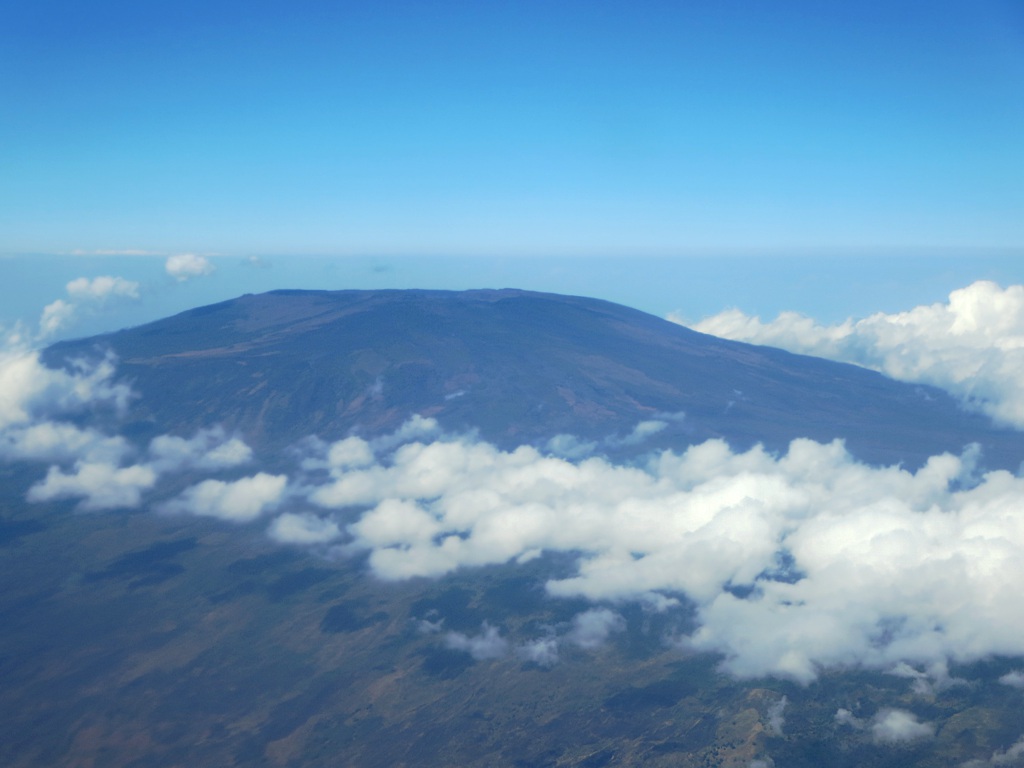
The city lies on the western coast of the main island, Grande Comore, sometimes also referred to as Ngazidja, within the volcanic archipelago that makes up the nation. Moroni fronts the sea and is built on a series of rocky promontories and sheltered bays on the island, giving it a coastal character and a harbour oriented toward regional shipping lanes.
Population and society
Moroni's population is modest by global urban standards; estimates put the city's inhabitants at about 60,200 people. The population is ethnically and culturally Comorian, with Islam the dominant religion shaping daily life, architecture and public observance. The urban area contains a mix of traditional stone houses, mosques, small markets and government buildings.
History and development
Moroni became the administrative capital in the early 1960s when the seat of government was moved from earlier colonial centres such as Dzaoudzi. Since then the city has consolidated administrative functions and grown as a centre for trade and services. Its historic core preserves narrow streets and local marketplaces that reflect centuries of Indian Ocean trade and cultural exchange.
Transport, economy and connections
Moroni is the main transport hub for the Comoros. It is served by Prince Said Ibrahim International Airport, which connects the islands with regional destinations, and by a principal harbour that handles both passenger ferries and cargo ships. Regular sea routes link Moroni with the African mainland, other islands of the archipelago, and neighbouring islands such as Madagascar. Local commerce depends on small-scale fishing, trade, government services and tourism.
- Port and ferry services connecting domestic islands and regional routes
- Air connections via the airport to regional hubs
- Market trade in spices, seafood and handicrafts
Notable facts and distinctions
As capital, Moroni hosts national institutions, ministries and the principal international representation in the country. Its coastal setting, combined with volcanic geology and historic urban fabric, gives the city a distinctive appearance compared with many mainland capitals. Visitors and researchers often note Moroni's blend of Swahili, Arabic and French influences reflected in language, cuisine and built form. For general information on the nation see Comoros.
For navigation and practical planning, users consult local authorities and transport operators for schedules and safety advisories before travel. Moroni remains central to the Comoros' identity and daily life, balancing modern administrative functions with longstanding maritime traditions.
Related articles
Author
AlegsaOnline.com Moroni, capital city of the Comoros Leandro Alegsa
URL: https://en.alegsaonline.com/art/66736
Sources
- usatoday.travel-guides.com : USA Today.com Travel Guide