
Estádio do Morumbi (Estádio Cícero Pompeu de Toledo)
Large multiuse stadium in São Paulo, Brazil; home of São Paulo Futebol Clube, named for Cícero Pompeu de Toledo, notable for its size, history, and use for football, concerts and major events.
Overview
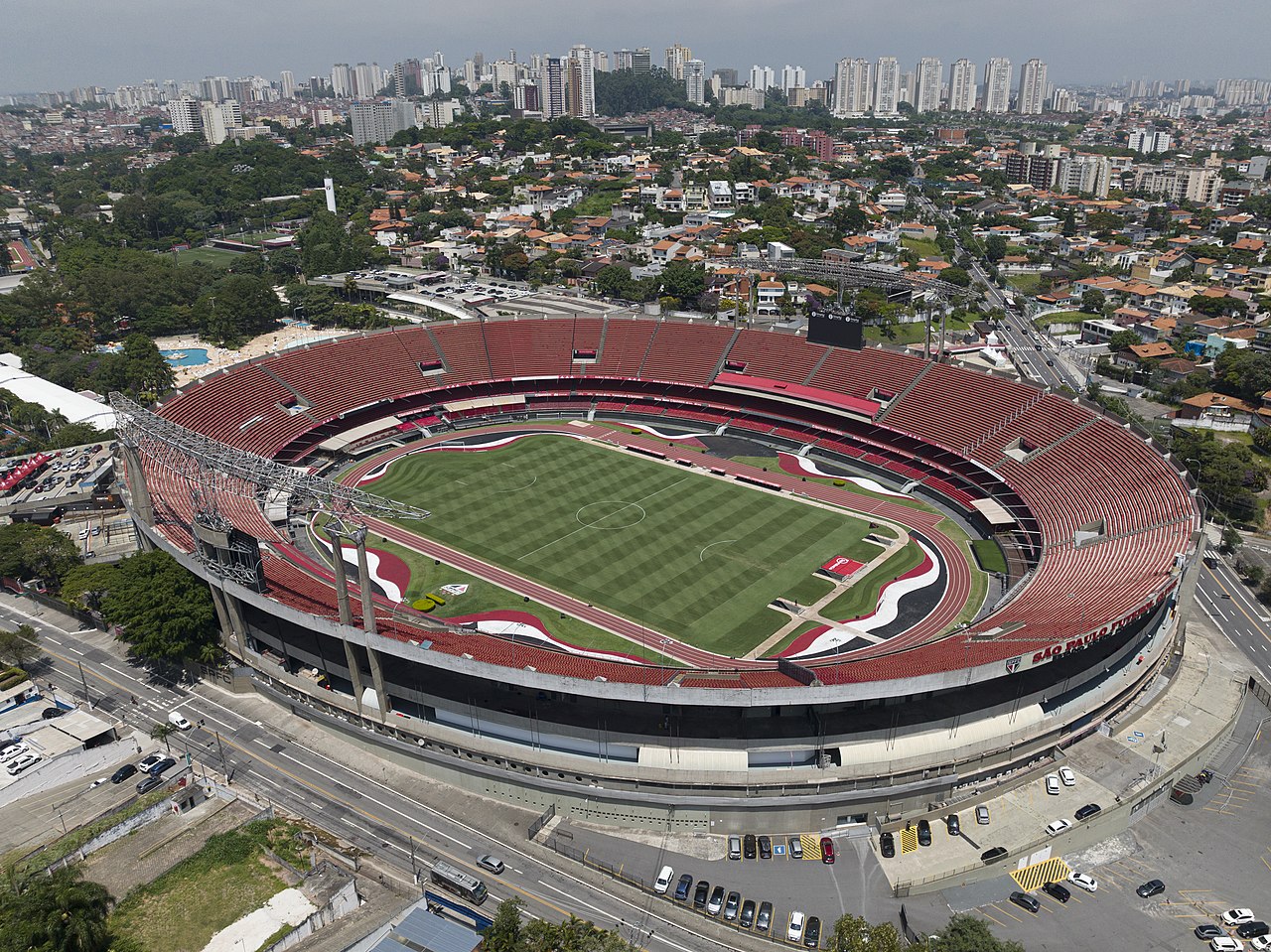
Estádio do Morumbi, officially Estádio Cícero Pompeu de Toledo, is the principal home ground of São Paulo Futebol Clube and one of the largest and best-known stadiums in São Paulo. Commonly called Morumbi after the surrounding neighbourhood, the venue has been a landmark for football in Brazil and a frequent site for major matches, concerts and civic events. It has undergone capacity reductions and upgrades over time for safety and comfort.
Image gallery
4 Images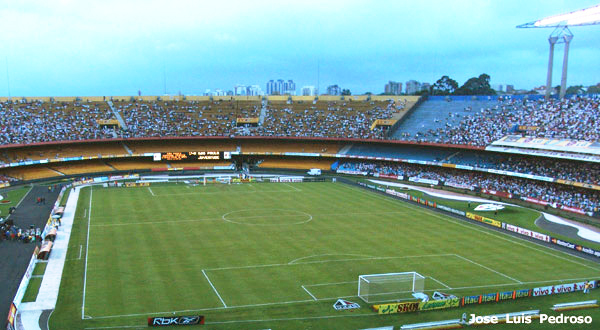


Design and characteristics
Morumbi is a multi-tiered bowl stadium with stands that surround the pitch, press facilities, corporate boxes and spectator amenities. Its layout emphasizes visibility from most seats and concentrates services—entrances, concessions and restrooms—around the concourses. Over the decades the stadium has received structural and access improvements to meet evolving safety standards and modern event requirements.
History and development
Planned and built by São Paulo FC during the mid-20th century, the venue bears the name of Cícero Pompeu de Toledo, a club leader closely associated with its construction. Construction and expansion occurred in stages; the facility has been adapted several times to accommodate changing regulations and the club's needs. These alterations reduced the formerly larger maximum spectator numbers to a more restricted, safety-focused capacity.
Uses and importance
Primarily a football stadium, Morumbi serves as the regular match venue for São Paulo FC and has hosted many important domestic and international fixtures. Beyond sport, it is used for large concerts, cultural events and occasional national-team matches, making it a multifunctional arena in city life. Organisers value its scale and central location in the metropolis for events that draw tens of thousands of spectators.
Notable facts and comparisons
- The formal dedication commemorates Cícero Pompeu de Toledo, who guided much of the project.
- At various points in its history the stadium accommodated over one hundred thousand spectators; later safety measures reduced the authorized capacity to approximately 77,000.
- Morumbi is frequently contrasted with newer, municipal or privately financed arenas, but it remains notable for its historical role and size within the city’s stadium landscape.
Today Morumbi retains cultural and sporting significance: it is an emblem of São Paulo FC, a venue with a long public history and a continuing role in the sporting and entertainment calendar of the city.
Related articles
Author
AlegsaOnline.com Estádio do Morumbi (Estádio Cícero Pompeu de Toledo) Leandro Alegsa
URL: https://en.alegsaonline.com/art/66811