
Morwenstow (parish and hamlet in north Cornwall)
A rural parish and hamlet on the Atlantic coast of north Cornwall, England, noted for its rugged coastline, Norman church, and the 19th‑century vicar and poet Robert Stephen Hawker.
Morwenstow is a small parish and hamlet on the far north coast of Cornwall in the Cornwall region of the United Kingdom. The settlement lies close to the Atlantic shore, about six miles (10 km) north of Bude, and is often described as the most northerly parish in Cornwall. Its exposed coastal position and the border with Devon to the east have shaped both its landscape and local history.
Image gallery
6 Images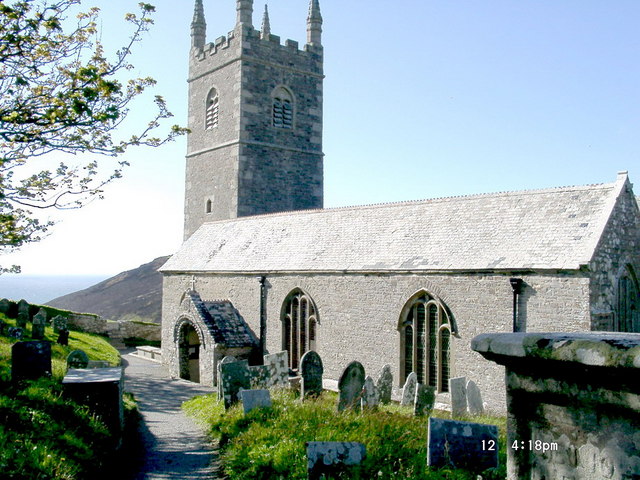


Geography and settlements
The parish occupies a stretch of rugged coastline and inland farmland. Cliffed headlands and rocky shores give way to small hamlets and dispersed farms inland. In addition to the churchtown, the parish contains several named settlements and clusters of dwellings, including:
- Shop
- Woodford
- Gooseham
- Eastcott
- Wooley
- West Youlstone
These communities are generally small and rural, connected by narrow lanes and used historically for agriculture, fishing and services for coastal boats.
Church, vicarage and architecture
The parish church is dedicated to St Morwenna and St John the Baptist and retains fabric dating from the Norman period. It has been the spiritual centre of the community for many centuries. Adjacent to the church stands the Vicarage built for Robert Stephen Hawker in the 19th century; the vicarage is notable for chimneys fashioned to resemble church towers, reflecting the personal tastes and idiosyncrasies of its most famous occupant.
Robert Stephen Hawker and local customs
Robert Stephen Hawker (1803–1875) served as vicar of Morwenstow in the mid‑19th century and is remembered for his poetry and unconventional behaviour. He is widely credited with reviving the custom of the Harvest Festival in Anglican practice and for promoting other local observances. Hawker’s tenure left a strong imprint on the parish, both in physical alterations to the vicarage and in stories about his pastoral care of shipwrecked seamen.
Maritime history and shipwrecks
The coastline around Morwenstow is exposed to Atlantic storms and contains dangerous reefs and rocks. Historically, this made the area hazardous to shipping; wrecks occurred with some regularity and bodies of drowned sailors were sometimes brought ashore. Contemporary and later accounts describe how those washed up within the parish were received, laid out in the churchyard and buried—Hawker himself is reported to have buried more than forty such victims during his incumbency.
Significance and visitors
Today Morwenstow remains a sparsely populated, largely agricultural parish prized for its wild coastal scenery and historic associations. Visitors are drawn by the church and vicarage, the dramatic cliffs, and the sense of remoteness on the north Cornish coast. Its combination of medieval fabric, 19th‑century personality and maritime heritage make Morwenstow a place of interest for those studying regional history, religious customs and coastal communities.
Notable facts:
- Most northerly parish in Cornwall.
- Parish church dedicated to St Morwenna and St John the Baptist with Norman origins.
- Robert Stephen Hawker, a vicar and poet, revived the Harvest Festival and is closely associated with the vicarage and local customs.
- Coastline historically hazardous to shipping; local burials of shipwreck victims are part of the parish story.
Questions and answers
Q: Where is Morwenstow located?
A: Morwenstow is a parish and hamlet in north Cornwall, United Kingdom.
Q: How far is Morwenstow from Bude?
A: Morwenstow is situated about six miles (10 km) north of Bude.
Q: What is the geographical position of Morwenstow?
A: Morwenstow is the most northerly parish in Cornwall, with the Atlantic Ocean to the west and Devon to the east.
Q: Who was the famous resident of Morwenstow and what did he do?
A: Robert Stephen Hawker (1803-1875) was an eccentric vicar and poet who is credited with reviving the custom of Harvest Festivals.
Q: What is the church in Morwenstow like?
A: The church of St Morwenna and St John the Baptist is of the Norman period.
Q: What was special about the Vicarage in Morwenstow?
A: The Vicarage was built for Robert Stephen Hawker and has chimneys in the form of the towers of various churches associated with him.
Q: What is the historical significance of the churchyard in Morwenstow?
A: The nearby coast is hazardous to shipping, and the corpses of drowned sailors were laid out in the churchyard and then buried. Hawker buried over forty who were washed up within the parish boundaries.
Related articles
Author
AlegsaOnline.com Morwenstow (parish and hamlet in north Cornwall) Leandro Alegsa
URL: https://en.alegsaonline.com/art/66814