
Morrow County, Oregon
Rural county in northeastern Oregon along the Columbia River. Includes Heppner (county seat), agricultural and energy landscape, historic flood of 1903, and low population density (11,173 in 2010).
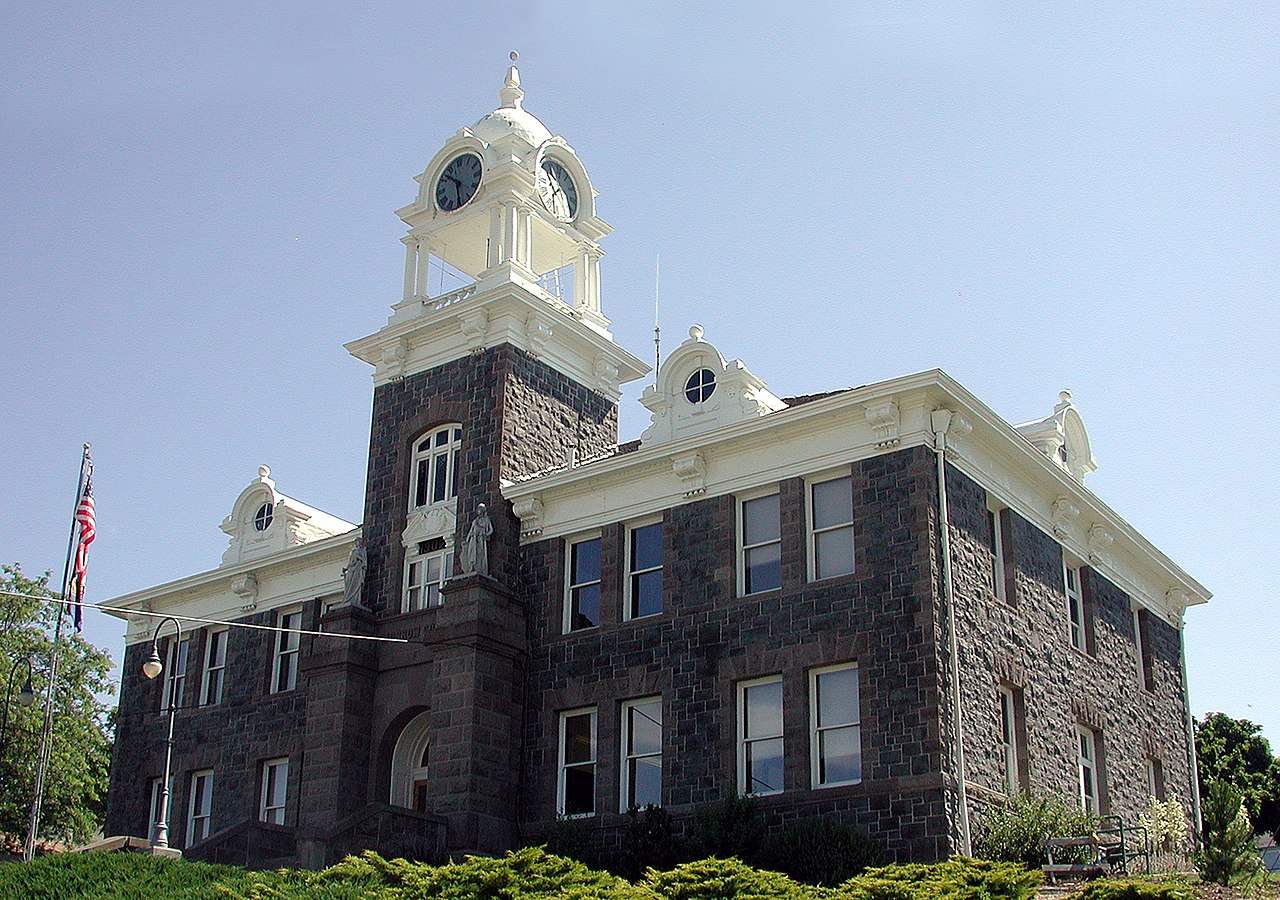
Morrow County is a largely rural county in northeastern Oregon, in the western United States. According to the 2010 census, the county's population was 11,173. The county government is based in the town commonly identified as the county seat: Heppner, which is noted for its small-town character and historic downtown core. The county lies within the political boundaries of the U.S. state and is organized as a local administrative county.
Image gallery
3 Images
Geography and landscape
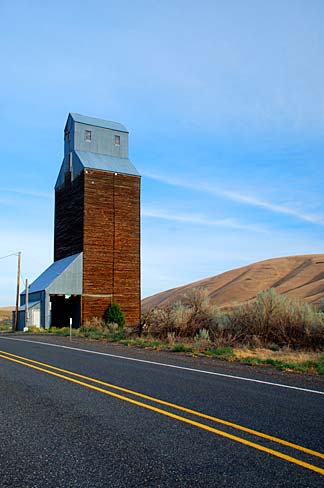
Morrow County spans a transition zone from the Columbia River valley into higher, more arid plateaus and foothills. The Columbia River forms part of the county's northern edge and contributes to irrigation projects that have supported agriculture in otherwise dry terrain. The landscape includes rolling wheatlands, rangeland for livestock, rimrock formations and river corridors that support both farming and wildlife habitat.
History and development
The county was formed in the late 19th century and is named for an early Oregon legislator. Its history reflects patterns common to eastern Oregon: settlement for ranching and dryland farming, later expansion of irrigated agriculture along the Columbia, and small towns established as local service centers. A defining event in local memory is the catastrophic flood that struck Heppner in the early 1900s, which reshaped the community and its infrastructure.
Economy and land use
The economy combines dryland and irrigated agriculture (cereal grains, hay, and livestock), energy production and transportation linked to the river corridor. In recent decades, renewable energy projects and modern irrigation systems have altered land-use patterns. Outdoor recreation—fishing, hunting and river activities—contributes to the local economy seasonally.
Communities and governance
- Heppner — county seat and administrative center.
- Boardman and Irrigon — river communities with agricultural and industrial ties.
- Various unincorporated communities and ranchlands across the county.
Morrow County remains one of Oregon’s less densely populated counties, with a dispersed population and a local government focused on supporting agriculture, transportation and basic services. For further civic, demographic and geographic details consult county and state resources via the linked references above.
Related articles
Author
AlegsaOnline.com Morrow County, Oregon Leandro Alegsa
URL: https://en.alegsaonline.com/art/66772