
Liliaceae — the lily family
Liliaceae, the lily family, is a group of monocot flowering plants in the order Liliales known for bulbous herbs with showy six‑part flowers; many taxa were reclassified in modern systems.
Overview
The Liliaceae, commonly called the lily family, is a group of monocotyledonous flowering plants placed within the order Liliales. Members are best known for their often large, colorful, six‑part (tepaled) flowers and bulbous or rhizomatous growth. The name and concept of the family have changed considerably: a broad historical circumscription included many plants now placed in other families.
Image gallery
10 Images




Characteristics
Plants in the family are typically perennial herbs with storage organs such as bulbs or rhizomes. Distinctive morphological features include:
- Flowers usually actinomorphic and bisexual with six tepals and six stamens;
- A superior ovary (fruit develops above the flower base);
- Leaves usually alternate or basal, with parallel venation common among monocots;
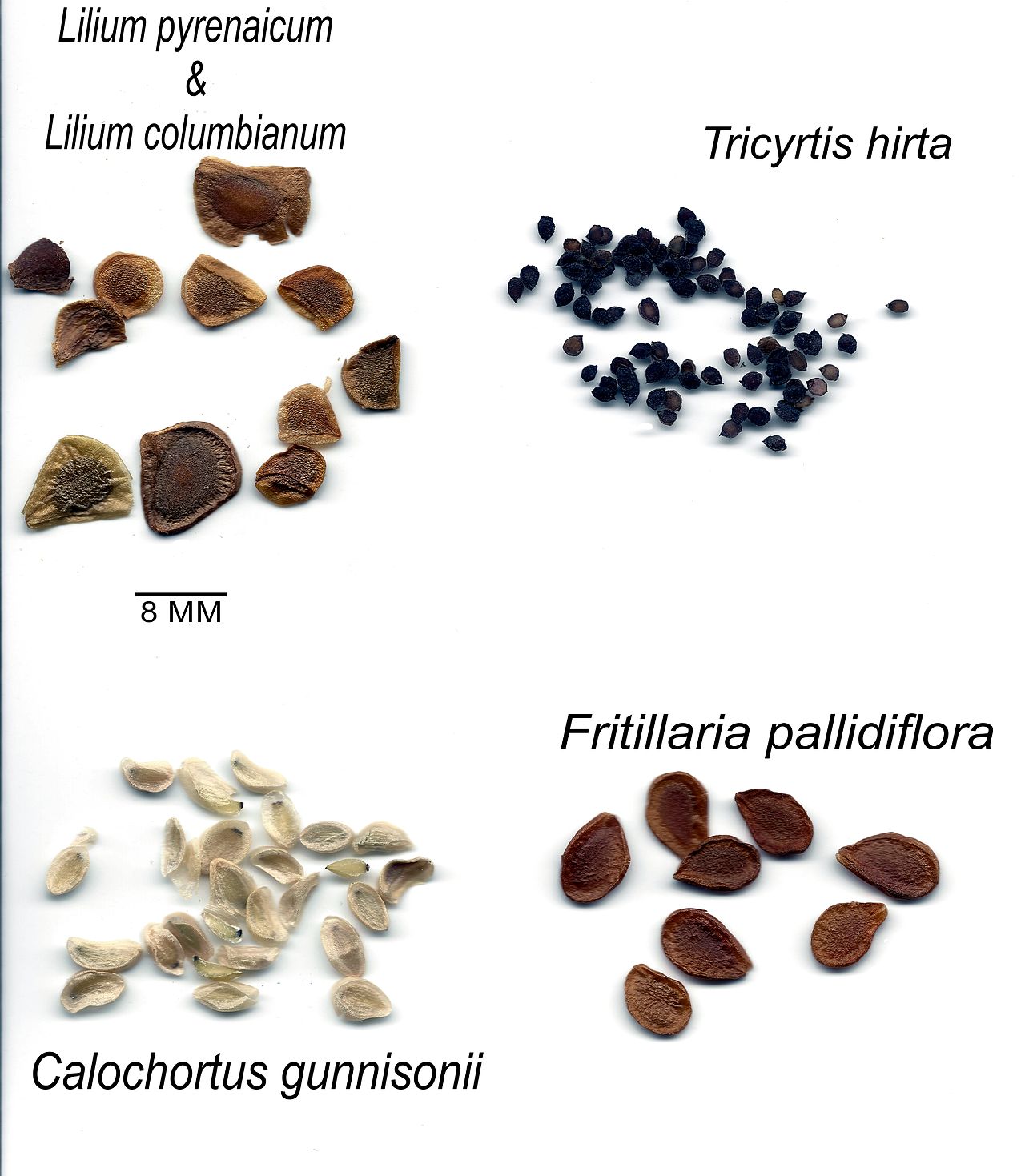
- Seeds often flattened and sometimes with specialized dispersal traits.
Taxonomy and history
Liliaceae was once a very large, catch‑all family used by early taxonomists. From the late 20th century onward, molecular studies led to a narrower, more clearly defined family (Liliaceae sensu stricto). Many groups that used to be included—such as onions, garlic and some bulbous ornamentals—were reassigned to families like Amaryllidaceae or Asparagaceae. Modern treatments retain a smaller set of genera that share core morphological and genetic characters.
Distribution and ecology
Members of the family are found mainly across temperate and colder regions of the Northern Hemisphere, often in meadows, woodlands and mountain habitats. They may form important components of spring floral displays and provide nectar and pollen for a variety of insects.
Uses and cultural importance
Many species are cultivated for ornamental value, prized as cut flowers and garden plants. Classic garden lilies (genus Lilium) and several related genera are central to floriculture. Some species have been used in traditional remedies or as food in local contexts, but uses vary and should be considered with care because parts of some lilies are toxic to animals (notably cats).
Notable facts and distinctions
Representative genera associated with the family include Lilium and Fritillaria, while other well‑known plants once placed here were later transferred. For further taxonomic context see general resources on the lily family and the order Liliales.
Related articles
Author
AlegsaOnline.com Liliaceae — the lily family Leandro Alegsa
URL: https://en.alegsaonline.com/art/58019