
Lily (Lilium): description, biology, cultivation and cultural significance
An accessible overview of lilies (genus Lilium): their appearance, growth from bulbs, natural range, garden cultivation, uses, and cultural importance, with practical notes and distinctions.
Overview
The lily is a group of perennial flowering plants in the genus Lilium, known for large, often showy flowers. Lilies belong among the broad category of flowering plants and are placed within several related plant groups by botanists. Common garden types include trumpet lilies, tiger lilies and Asiatic hybrids, while wild taxa and cultivated species vary widely in form and color.
Image gallery
3 Images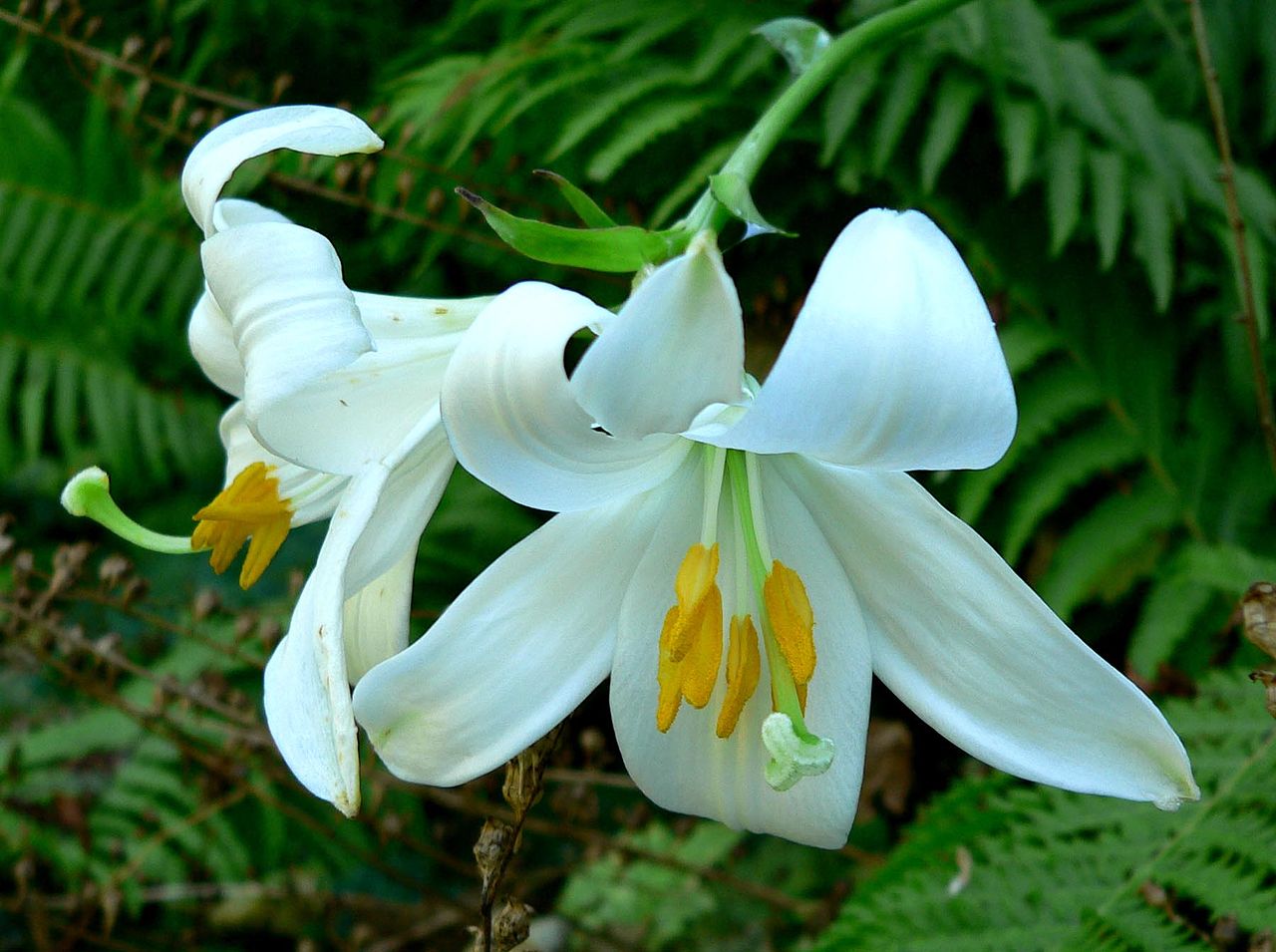

Botanical characteristics
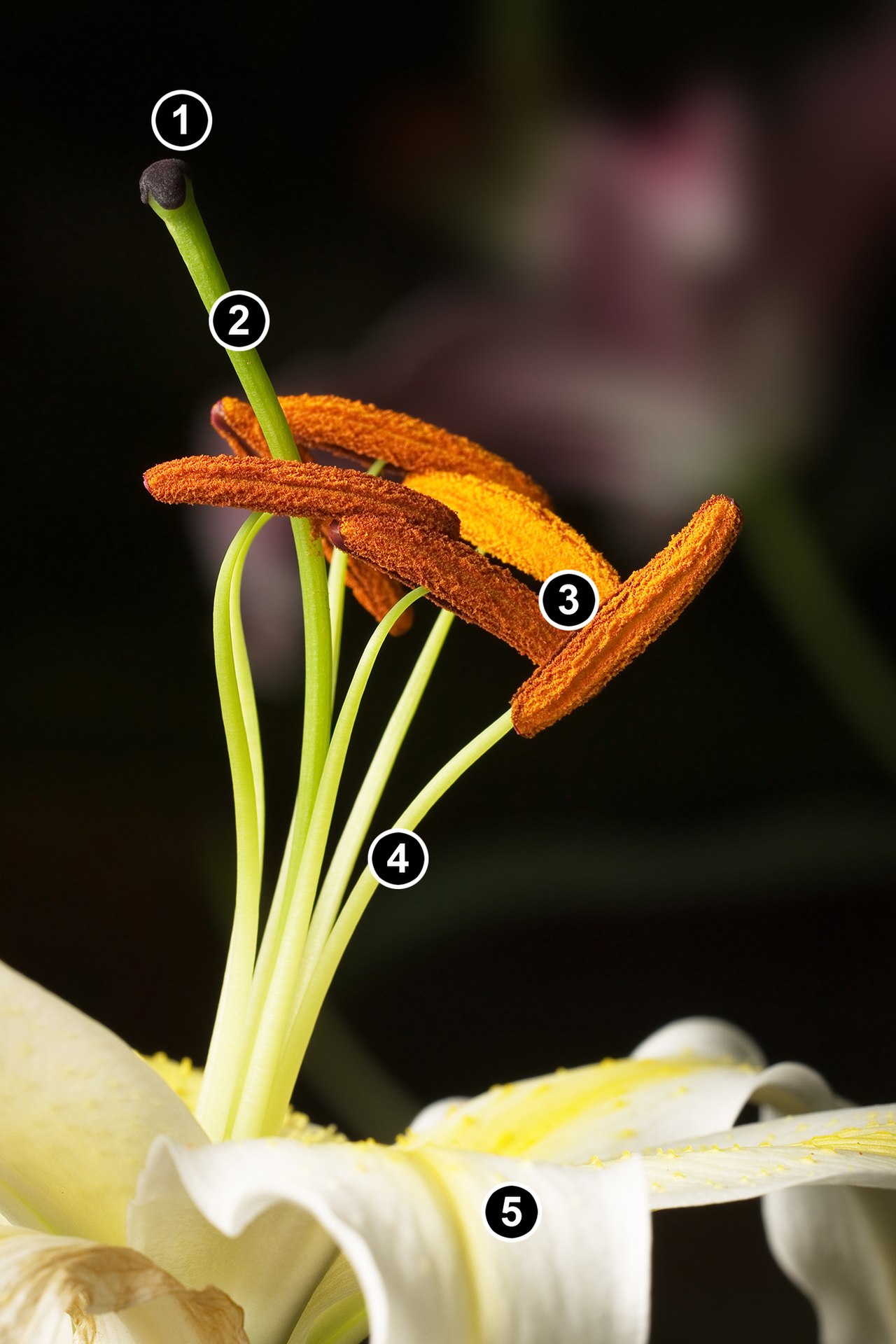
Most lilies are herbaceous perennials that emerge each year from an underground storage structure, typically a bulb. Bulbs may in some species develop into rhizome-like systems that produce offsets. Lilies characteristically have showy flowers with parts in threes: six petal-like segments (often called tepals) arranged around the reproductive organs, and frequently prominent stamens and nectaries.
Distribution and habitat
Native lilies are distributed across the temperate regions of the Northern Hemisphere, with many species occurring in Europe, North America and Asia. They occupy a range of habitats from open grassy slopes and alpine meadows to woodland understories and wetlands; some species prefer well-drained slopes while others tolerate seasonally wet ground and shaded sites. Wild lilies are often found in forest and meadows, depending on the species.
Cultivation, propagation and uses
Lilies are widely grown as ornamental plants and for cut flowers. Gardeners value them for vertical structure, long-lasting blooms and a broad color palette. There are more than a hundred wild species and countless cultivars selected for color, fragrance and hardiness. Propagation is commonly by division of bulbs or by seed; modern methods also use in vitro tissue culture to multiply desirable varieties. Typical care emphasizes a sunny to partly shaded site, rich soil with good drainage, and winter protection for tender types.
Uses, risks and cultural significance
- Ornamental: planted in borders, containers and for floral arrangements.
- Symbolism: lilies have long associations with purity, renewal and royalty; the stylized fleur-de-lis is a historic emblem derived from lily imagery.
- Practical notes: many lilies are highly toxic to domestic cats and can cause serious kidney damage if ingested; pet owners should take care.
Beyond gardens, lilies are subjects of horticultural breeding and botanical study. Conservationally, some wild species face habitat loss and collection pressure, so cultivating threatened types from reputable sources helps conserve genetic diversity. For further botanical overviews and regional species lists, consult general plant references and local floras (genus overview, flowering plant guides, taxonomic resources, species accounts).
Whether used in formal beds, cottage gardens, or as cut flowers, lilies remain beloved for their architectural stems and dramatic blooms. For practical gardening advice, propagation methods and safety information for pets, seek specialized horticultural sources and local extension services (perennial care, bulb handling, regional planting, North American guides, Asian species accounts, cultivar databases).
Related articles
Author
AlegsaOnline.com Lily (Lilium): description, biology, cultivation and cultural significance Leandro Alegsa
URL: https://en.alegsaonline.com/art/58046
Sources
- doi.org : 10.2460/javma.2002.220.49
- pubmed.ncbi.nlm.nih.gov : 12680447
- vethelpdirect.com : "Lily poisoning in cats – Vet Help Direct Blog"