
Mnemosyne: Titaness of Memory in Greek Mythology
Mnemosyne is the Greek Titaness who personifies memory; mother of the nine Muses and a figure tied to poetic tradition, recollection, and symbolic art and ritual.
Mnemosyne is the personification of memory in ancient Greek belief. She is classed among the Titans, primordial deities who predate the Olympian gods, and functions more as an abstract divine force than a narrative hero. Writers and later artists treat Mnemosyne as the source of recollection and the preservative power that allows stories, histories, and arts to be transmitted across generations. See the concept of Titan and the idea of memory in classical thought within the wider frame of Greek mythology.
Image gallery
4 Images

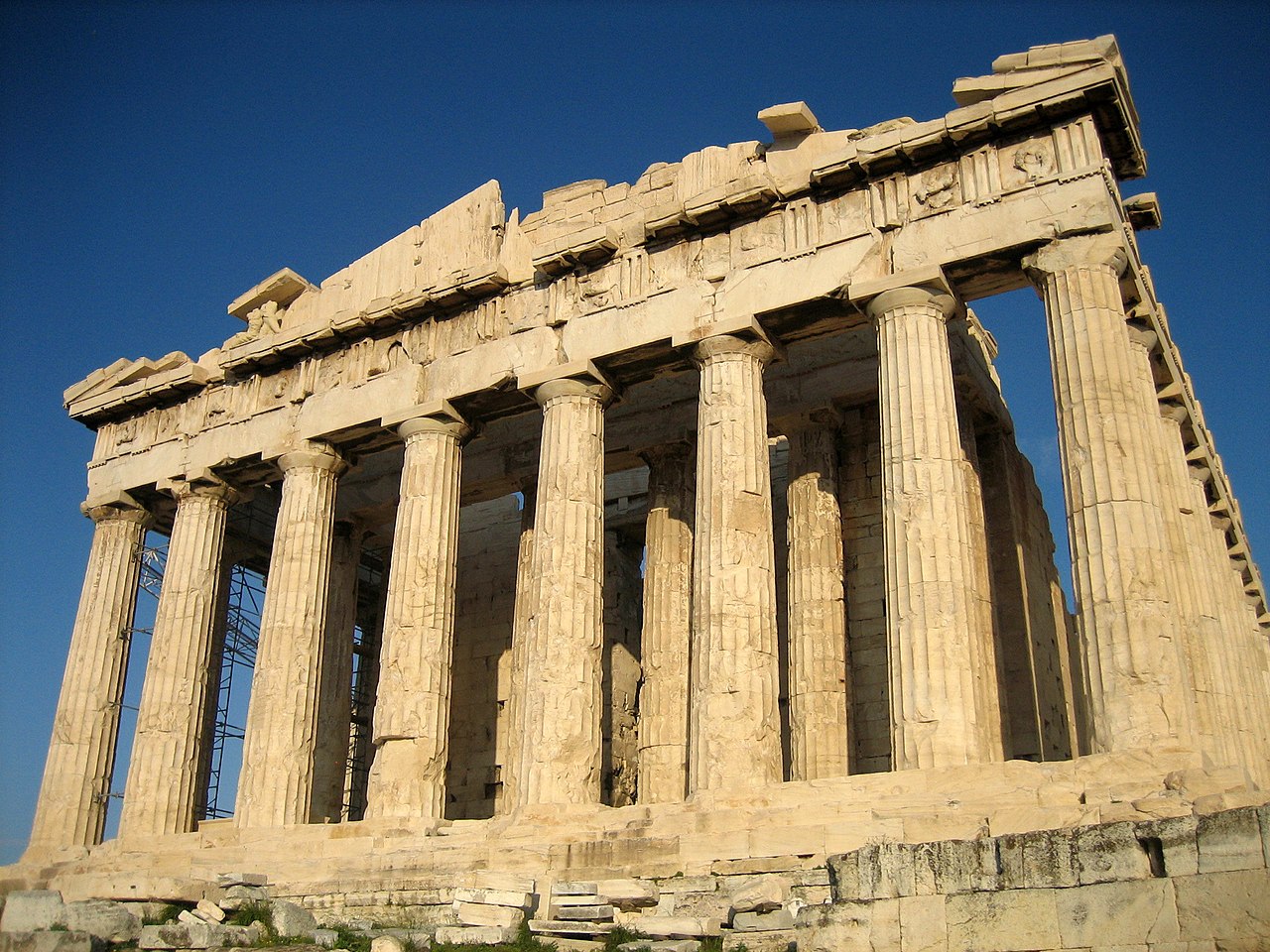

Origins and name
According to early genealogies, Mnemosyne was born of the earth and sky, the children of Gaia and Uranus. Her name comes from the Greek root related to remembrance and remembering; it is the source of English words such as "mnemonic." As a divine personification she embodies both the faculty of recall in human minds and a communal store of cultural memory reflected in myth, ritual, and song.
Children and cultural role
Mnemosyne is best known for her union with Zeus, with whom she became the mother of the nine Muses. The Muses are traditionally invoked as patrons of different arts and sciences; their names are commonly listed as:
- Calliope (epic poetry)
- Clio (history)
- Erato (lyric and love poetry)
- Euterpe (music)
- Melpomene (tragedy)
- Polyhymnia (holy song)
- Terpsichore (dance)
- Thalia (comedy)
- Urania (astronomy)
Through the Muses, Mnemosyne is indirectly linked to nearly every area of creative and intellectual activity that depended on memory and oral composition in antiquity.
Function in literature and tradition
Rather than starring in many myths, Mnemosyne appears mainly as a theological and poetic touchstone. Classical poets invoked the Muses for inspiration and the implicit power of recollection that made long oral compositions possible. In later philosophical and religious currents she is sometimes contrasted with the idea of forgetfulness (Lethe) and, in more speculative sources, associated with springs or practices that restore memory—an image used to discuss soul, knowledge, and initiation.
Iconography and symbolism
Ancient representations of Mnemosyne are relatively rare compared with major Olympian gods. In some artistic and literary traditions she is associated with symbolic attributes linked to memory and performance. A mask — emblematic of drama and the performative transmission of stories — is sometimes connected with her, and a partridge appears in a few later sources as an animal linked to her figure. Such details vary by period and remain secondary to her conceptual role as remembrance incarnate.
Legacy and notable facts
Mnemosyne's influence persists in language, literature, and cultural theory. Her name survives in terms such as "mnemonic" and in modern cultural references that evoke recollection and archival memory. As mother of the Muses she occupies a foundational place in how the Greeks imagined the origin of artistic and scholarly disciplines, and she remains a useful symbol for discussions about how societies keep and transmit knowledge.
For further reading about her mythological context see entries on Titans, the nature of memory, and broader surveys of Greek mythology. Biographical genealogies and primary-poetic accounts often mention Gaia, Uranus, and Zeus in connection with Mnemosyne.
Related articles
Author
AlegsaOnline.com Mnemosyne: Titaness of Memory in Greek Mythology Leandro Alegsa
URL: https://en.alegsaonline.com/art/65644