
Mischa Maisky: life, career and musical legacy
Overview of cellist Mischa Maisky — his early life, studies, emigration, performance style, major collaborations, repertoire and recordings, and his place in 20th–21st century classical music.
Overview
Mischa Maisky (Latvian form: Miša Maiskis) is a cellist born on January 10, 1948, in Riga, then part of the Latvian SSR. He trained in the Soviet system and later emigrated to Israel, where he became a citizen. Over a long international career he has been described as a deeply expressive performer, known for an emotionally charged approach to standard cello repertoire.
Image gallery
2 Images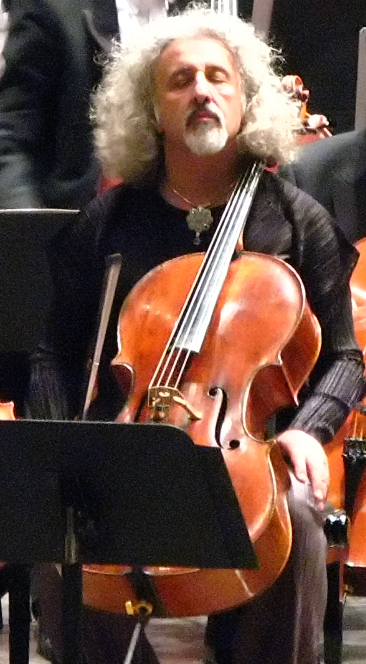

Early life and education
Maisky came of age in the Soviet musical establishment and was initially recognized as a promising Soviet cellist. He studied with the eminent pedagogue Mstislav Rostropovich at the Moscow Conservatory, a formative experience that shaped his technical foundation and interpretive outlook. In 1966 he was a prizewinner at the Tchaikovsky Competition, an achievement that marked him as an artist of international potential.
Emigration, detention and later settlement
In 1970 Maisky was imprisoned for a period in a labor camp near Gorky. After his release he left the Soviet Union and settled in Israel; he has since lived and worked in Western Europe, spending extended time in Belgium. During the years after emigration he continued advanced study with other teachers and refined a personal sound and style that would define his recordings and performances.
Artistic career and style
Maisky's concert life has included solo recitals, chamber music and concerto appearances with major orchestras. He is known for a warm, intense tone, broad use of vibrato and a romantic expressive palette that often emphasizes lyricism and dramatic pacing. Critics and audiences have noted his willingness to take interpretive risks and to shape phrases with theatrical immediacy.
Repertoire, recordings and collaborations
His repertoire spans solo works, sonatas and concertos from Baroque to contemporary composers. Maisky has recorded central works such as Bach's cello suites and many staples of the 19th and 20th centuries, and he appears frequently on commercial recordings and in festival programs. He has worked with a range of pianists, including pianists such as Martha Argerich and Radu Lupu, and with younger collaborators like Sergio Tiempo. He has also partnered with noted violinists and chamber musicians.
- Selected violin and chamber partners: Gidon Kremer, Janine Jansen
- Selected conductors he has played with: Leonard Bernstein, Zubin Mehta, Vladimir Ashkenazy, Daniel Barenboim and Giuseppe Sinopoli
Legacy and notable facts
Maisky's career illustrates several broader currents in late 20th-century classical music: the movement of artists from the Soviet sphere to the West, the rise of charismatic soloists who cultivate a distinct personal sound, and the continuing vitality of recorded performances as a way to shape public perception. His dramatic, often highly individual interpretations have made him a polarizing but enduring figure — admired by many listeners and fellow musicians for his communicative intensity.
As a performer he continues to appear on concert stages and in recordings, and his collaborations with major artists have helped introduce his playing to successive generations. For further reading or recordings, consult major discographies and specialist biographies for verified, up-to-date details about his performances and releases.
Related articles
Author
AlegsaOnline.com Mischa Maisky: life, career and musical legacy Leandro Alegsa
URL: https://en.alegsaonline.com/art/65418