
Mishaal bin Abdulaziz Al Saud
Saudi prince and senior royal who held ministerial and provincial posts mid-20th century and chaired the Allegiance Council from 2007 until 2017; son of King Abdulaziz.
Mishaal bin Abdulaziz Al Saud (5 September 1926 – 3 May 2017) was a senior member of the Saudi royal family and a long‑time public official. A son of King Abdulaziz, he belonged to the generation of princes who guided the kingdom through the mid‑20th century. Born in Riyadh, Mishaal combined public service in government ministries and provincial administration with an influential but relatively low‑profile role in royal affairs.
Image gallery
2 Images
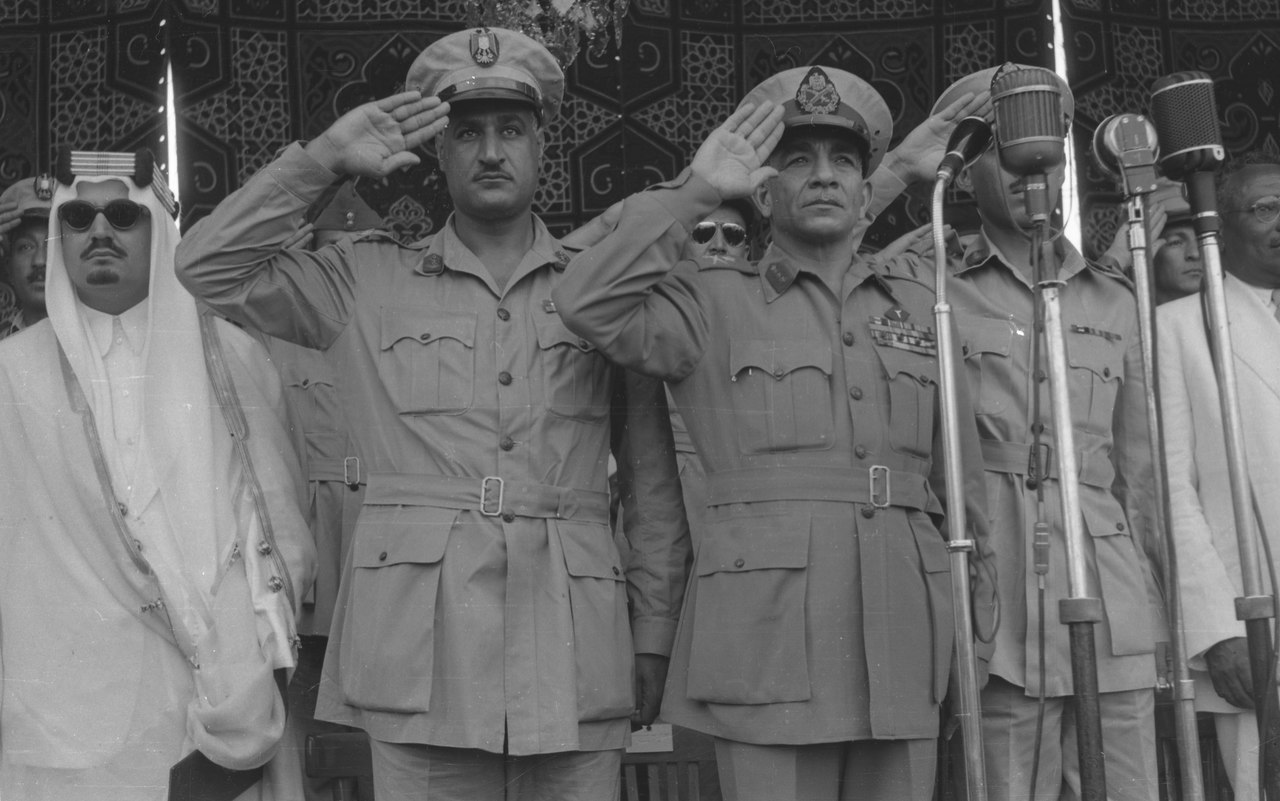
Early life and family background
Mishaal was born in 1926 into the ruling House of Saud during a period of state formation and consolidation. As one of many sons of King Abdulaziz, he was a half‑brother to several later kings and other leading princes. His upbringing took place against the backdrop of rapid social and administrative change in what became the Kingdom of Saudi Arabia, and like many of his generation he entered public service as the state expanded its institutions.
Public offices and responsibilities
Across the 1950s and 1960s Mishaal held several important government posts. He served in ministerial posts during the early 1950s, including a period as Minister of Defense. In the 1960s he moved into provincial administration and was appointed Governor of Makkah Province, a sensitive and prestigious role because it includes the cities of Mecca and Medina. His principal official positions include:
- Ministerial roles in the 1950s, including service as Minister of Defense (1951–1953).
- Governor of Makkah Province (1963–1971), overseeing administration in one of the kingdom's most important regions.
- Chairman of the Allegiance Council (2007–2017), a body involved in formalizing succession arrangements within the House of Saud.
Role in succession and the Allegiance Council
In the 2000s the Saudi monarchy sought mechanisms to manage transitions between generations of princes. Mishaal became the first chairman of the Allegiance Council, a consultative body designed to help determine and confirm future succession. In that capacity he occupied a prominent place in internal royal affairs, acting as a senior elder who could lend legitimacy and continuity to succession decisions.
Later years, health and death
In later life Mishaal experienced declining health. In October 2009 he was taken to hospital in Geneva, reportedly after suffering a serious medical event that was described in some sources as a stroke. He later returned to Saudi Arabia after receiving additional treatment abroad, including care in Beirut. Prince Mishaal died in Riyadh on 3 May 2017 at the age of 90.
Legacy and notable facts
Mishaal bin Abdulaziz is remembered as a representative of the generation of princes who bridged the founding era of the Saudi state and its modern institutions. He held roles that combined military, administrative and royal responsibilities and was tapped in later life for the sensitive task of chairing a council devoted to succession. While never as internationally prominent as some brothers who became heads of state, his career illustrates the internal governance and family dynamics that have shaped Saudi Arabia across decades.
For more detailed timelines and official documents about the monarchy and the Allegiance Council, see linked resources.
Family and dynasty reference • Birthplace and early life • Hospitalization in Geneva • Reported medical condition • Treatment abroad
Related articles
Author
AlegsaOnline.com Mishaal bin Abdulaziz Al Saud Leandro Alegsa
URL: https://en.alegsaonline.com/art/65430
Sources
- al-marsd.com : وفاة الأمير مشعل بن عبدالعزيز رحمه الله