
Mstislav Rostropovich: cellist, conductor, and advocate
Mstislav Rostropovich (1927–2007) was a Russian cellist and conductor who expanded the instrument’s repertoire, championed 20th‑century composers, and became an outspoken defender of human rights.
Mstislav Leopoldovich Rostropovich was born in Baku on 27 March 1927 and died in Moscow on 27 April 2007. He is widely recognized as one of the leading Russian musicians of the 20th century, celebrated both as a virtuoso cellist and as a conductor. Critics and fellow musicians praised his rare combination of technical command and expressive intensity. Beyond performance, he influenced the modern repertoire by encouraging many composers to write for the cello.
Image gallery
9 Images


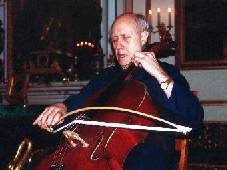
Artistry and repertoire
Rostropovich was admired for a sweeping, flexible tone and an ability to shape long musical lines while meeting demanding technical challenges; commentators often pointed to his memorable technique and musical imagination. He premiered and inspired works by leading 20th‑century composers, broadening what the instrument could do and establishing new standards for interpretation. His discography includes celebrated recordings of concertos, sonatas and solo pieces written specifically for him, and he frequently programmed contemporary works alongside standard repertoire to make modern music accessible to wider audiences.
Life, politics, and exile
Rostropovich’s willingness to defend artistic freedom and human rights brought him into conflict with authorities in the Soviet Union. He used his international prominence to speak for writers and dissidents, actions that culminated in forced relocation from his homeland in 1974. As an expatriate he continued his dual career as soloist and conductor, and he remained an outspoken voice for peace and civil liberties. In November 1989, when the Berlin Wall came down, he famously brought his cello to the site and performed publicly amid the ruins — an image that became emblematic of music’s civic power.
Later work and return
While living and working in the West he held prominent conducting posts and continued to perform worldwide; he also led major orchestras and mentored younger musicians. After the collapse of communism in Eastern Europe and the Soviet Union, Rostropovich was able to visit and perform again in his homeland, receiving recognition and honors late in life. He left a legacy not only in recordings and premieres but in the many students, colleagues and audiences he influenced across continents.
Legacy and notable associations
- Advocate for contemporary composition: commissioned and premiered important 20th‑century cello works by major composers (see composers).
- Public figure: combined artistic leadership with visible support for dissidents and civil liberties (Soviet era context).
- Iconic moments: public performances tied to historical events, such as the Berlin Wall performance in 1989.
- Enduring influence: celebrated by generations of musicians for his interpretive depth and technical gifts (technique).
Rostropovich’s life combined extraordinary musical achievement with civic engagement. For listeners and players, his example remains a model of how musical artistry and moral conviction can intersect to shape both culture and public life. Further reading and resources about his recordings, premieres and public actions can be found through archival collections and specialist music bibliographies (birthplace, final years, national context).
Questions and answers
Q: Who was Mstislav Leopoldovich Rostropovich?
A: Mstislav Leopoldovich Rostropovich was a Russian cellist and conductor.
Q: What is he famous for?
A: He is famous for being considered by many the greatest cellist of all time and for his amazing technique and musicianship.
Q: How did he get into trouble with political leaders in the Soviet Union?
A: He got into trouble with political leaders in the Soviet Union because he said that people should be free to say their own ideas and opinions.
Q: What happened to him after he was exiled from his country in 1974?
A: After he was exiled from his country in 1974, he continued his career as a cellist and conductor in the west, and worked hard to support peace and justice in the world.
Q: What did he do when the Berlin Wall came down?
A: When the Berlin Wall came down, he took his cello there and sat outside by the ruins of the wall and played.
Q: Did he ever return to his own country?
A: Yes, he was allowed back to his own country after the collapse of communism.
Q: Did Mstislav Leopoldovich Rostropovich receive any recognition for his work?
A: Yes, he received lots of medals and honours for his work.
Author
AlegsaOnline.com Mstislav Rostropovich: cellist, conductor, and advocate Leandro Alegsa
URL: https://en.alegsaonline.com/art/127275