
City-state: independent urban polity and its historical and modern forms
A concise guide to the city-state: a sovereign city that functions as an independent political unit. Covers defining features, historical examples, modern cases, uses, and distinctions from autonomous cities.
A city-state is an urban settlement that functions as an independent political unit, exercising sovereignty over its territory and population. In the broadest sense a city-state combines the institutions of a city with those of a state: local government, law-making capacity, taxation, and the ability to enter relations with other polities. The term highlights that the primary political community is the city itself, rather than a larger territorial state. Historical usage often describes a city that enjoys full sovereignty and is effectively a country in miniature.
Image gallery
8 Images


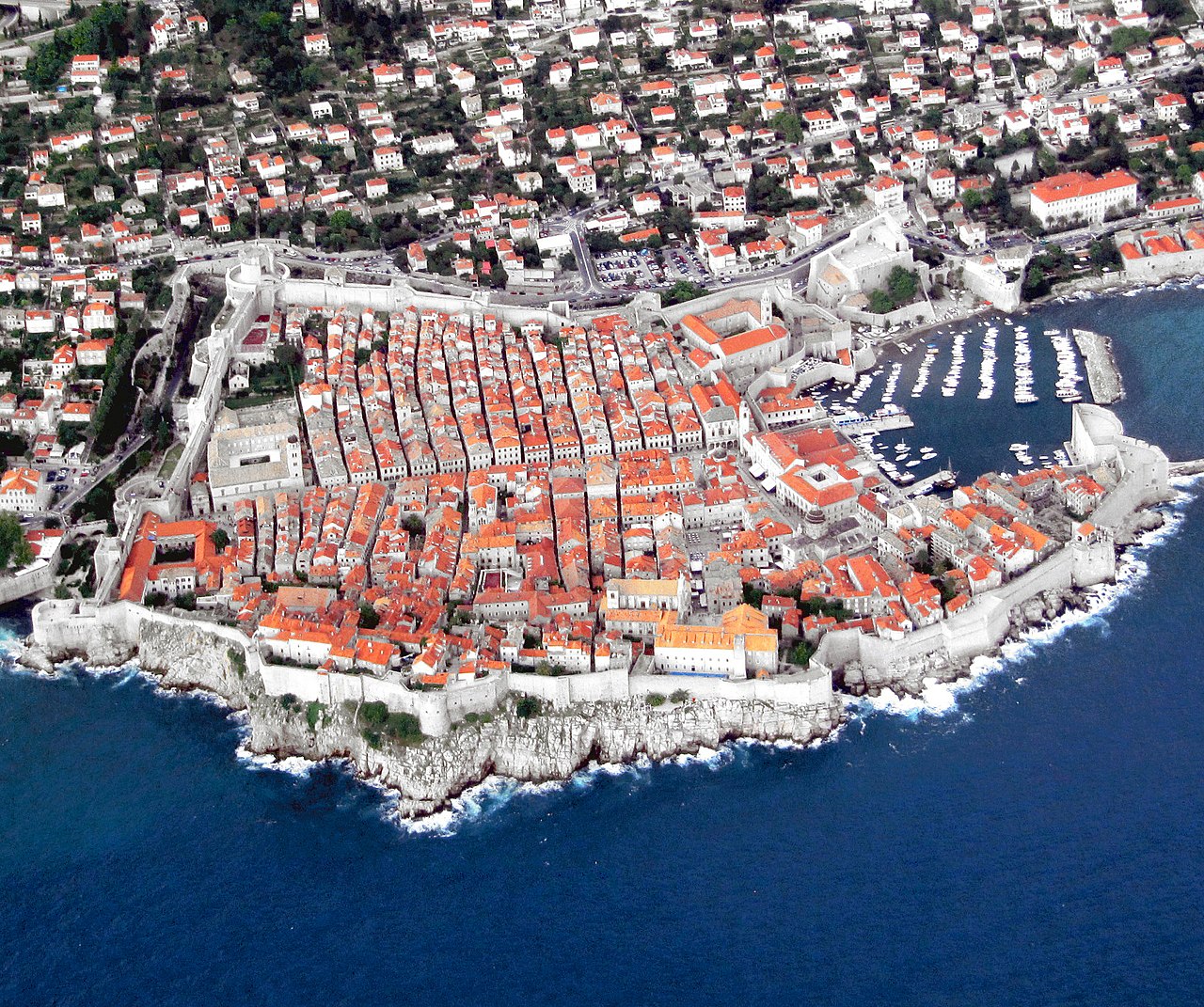

Characteristics
Typical features of city-states include compact territory centered on an urban core, concentrated population, autonomous institutions for governance, control of local taxation and law enforcement, and the capacity to defend or otherwise secure its independence. Recognition by other states and membership of international organizations can strengthen a city-state's external legitimacy, though such recognition varies by case.
- Defined urban territory and population
- Independent government and legal system
- Control of economic policy and taxation
- Ability to conduct foreign relations
History and development
City-states have appeared across eras and regions. Prominent examples include the Greek poleis of the classical period, where independent communities such as Athens and Sparta combined civic life with political autonomy. In medieval and early modern Europe, maritime and mercantile cities—Venice, Genoa, and members of the Hanseatic League—operated much like states, controlling trade and diplomacy. The phenomenon reflects how urban centers with concentrated wealth and institutions often developed autonomous political identities; see also the city-states of ancient Greece.
Modern examples and status
Today only a handful of sovereign city-states exist. Well-known contemporary examples include Singapore, Monaco, and Vatican City: small territories whose polity is essentially a single urban area. These are sometimes described as microstates because of their limited land area and population. International recognition and participation in global bodies can vary; for instance, membership of the United Nations is one indicator of full diplomatic recognition but is not the sole measure of a city's autonomy or statehood.
Distinctions and relevance
City-states differ from other forms of urban autonomy such as special administrative regions, federal cities, or heavily decentralized municipalities. Regions like Hong Kong or federal capital districts exercise substantial self-rule yet remain constitutionally part of larger states and are not sovereign in the same way as a city-state. The concept remains relevant today as a model for understanding concentrated political authority in urban centers, the role of cities in global trade and finance, and experiments in governance suited to dense, economically specialized territories.
Questions and answers
Q: What is a city-state?
A: A city-state is a city that has its own sovereignty and is its own country.
Q: Were there any important city-states in ancient Greece?
A: Yes, there were many important city-states in ancient Greece.
Q: Do cities in the modern world have differing degrees of self-governance?
A: Yes, cities in the modern world can have differing degrees of self-governance.
Q: What are the requirements for a city to be considered a city-state?
A: A city must govern itself independently, by regulating its own taxes, or having independent representation at the United Nations to be considered a city-state.
Q: Is a city-state required to regulate its own taxes to be considered a city-state?
A: Yes, a city must regulate its own taxes or have independent representation at the United Nations to be considered a city-state.
Q: Can a city be considered a city-state if it does not have independent representation at the United Nations?
A: Yes, a city can be considered a city-state if it governs itself independently by regulating its own taxes.
Q: Is it common for cities to be considered city-states in the modern world?
A: No, it is not common for cities to be considered city-states in the modern world.
Tags
Related articles
Author
AlegsaOnline.com City-state: independent urban polity and its historical and modern forms Leandro Alegsa
URL: https://en.alegsaonline.com/art/20564