
Metallurgy: science and engineering of metals and alloys
Metallurgy is the science and technology of metals and metallic alloys — their extraction, structure, processing, properties, and applications across industry and research.
Metallurgy is the interdisciplinary science and engineering field concerned with the physical and chemical behavior of metallic elements and their mixtures. It encompasses the extraction of metals from ores, the design and production of alloys, the study of microstructure and properties, and the methods used to shape, join and surface-treat metallic components. Practitioners combine principles from chemistry, physics and materials science to understand and improve how metals perform in service.
Image gallery
10 Images



Branches and core activities
Traditionally metallurgy is divided into major subfields that reflect different goals and methods:
- Physical metallurgy — focuses on the structure of metals at atomic, crystalline and microscopic scales and how structure relates to mechanical and physical properties.
- Chemical (or extractive) metallurgy — addresses the separation and purification of metals from ores and recycling streams, including smelting and hydrometallurgical techniques.
- Mechanical and process metallurgy — covers forming, heat treatment, joining and machining processes that produce parts with desired shapes and properties.
- Corrosion and surface engineering — studies degradation mechanisms and protective coatings or treatments.
Key processes, concepts and characteristics
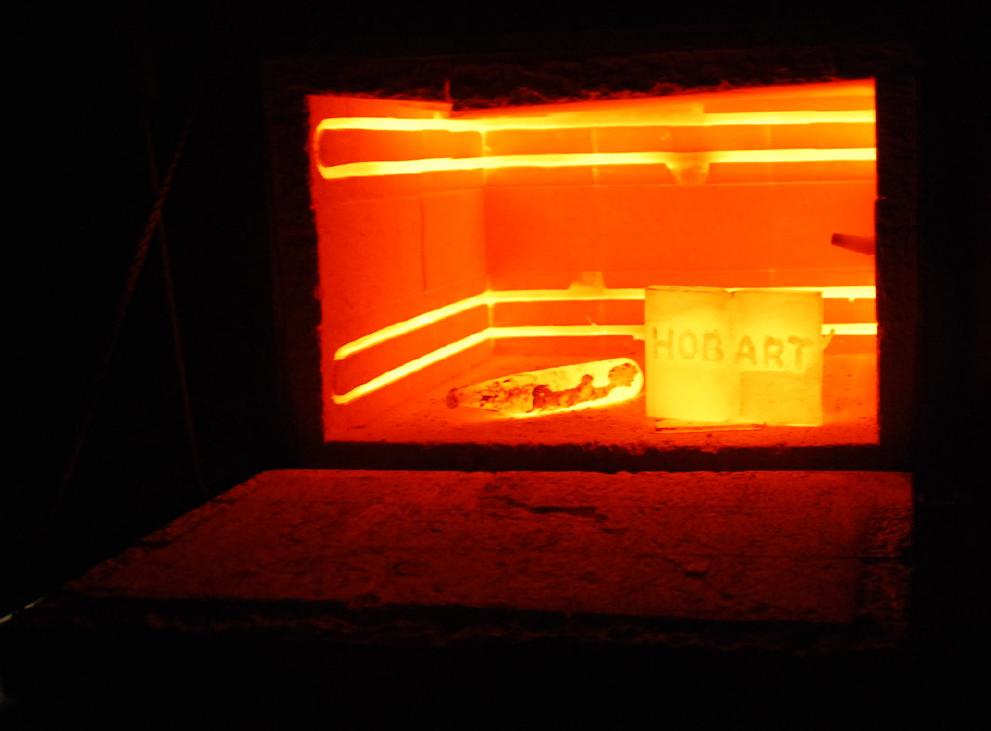
Metallurgy relies on several recurring concepts: crystal structure, phase diagrams, diffusion, dislocations and defects, and phase transformations. Practical processes include alloy design, casting, rolling, forging, heat treatments such as annealing and quenching, and joining methods like welding and brazing. These techniques are used to tailor strength, ductility, toughness, hardness, electrical conductivity and resistance to wear or corrosion.
Historical development
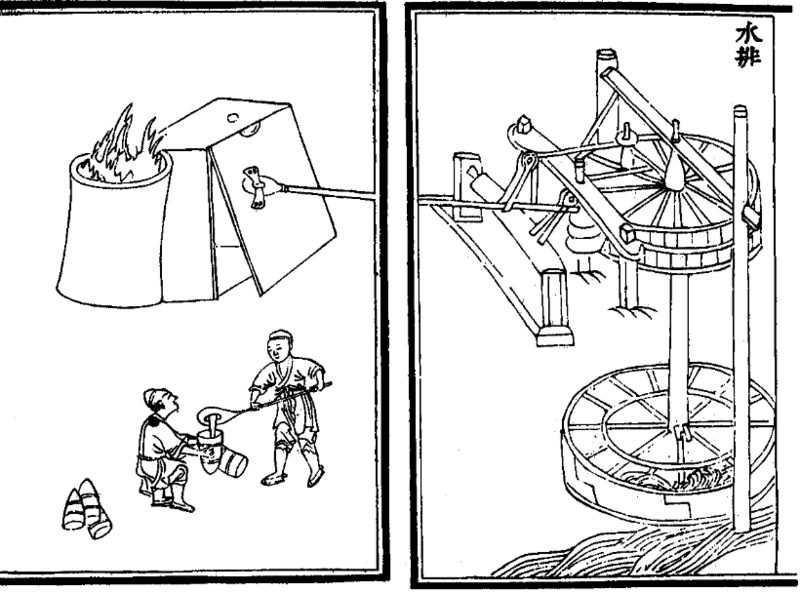
The origins of metallurgy reach back to prehistoric times when humans first found native metals and later learned to extract and work copper, giving rise to the Bronze Age and subsequently the Iron Age. Over centuries the field has evolved from empirical craft—blacksmithing and foundry work—into a rigorous scientific discipline, influenced by advances in thermodynamics, electron microscopy and computational modeling.
Applications and industries
Metallurgy underpins a wide range of sectors: construction, transportation, energy, aerospace, electronics and biomedical devices. Engineers and scientists develop structural steels for buildings and bridges, lightweight aluminum and titanium alloys for aircraft, corrosion-resistant stainless steels for chemical plants, and conductive materials for semiconductors and electronic packaging. The design of new alloys and processing routes is central to improving performance and sustainability.
Careers, education and notable distinctions
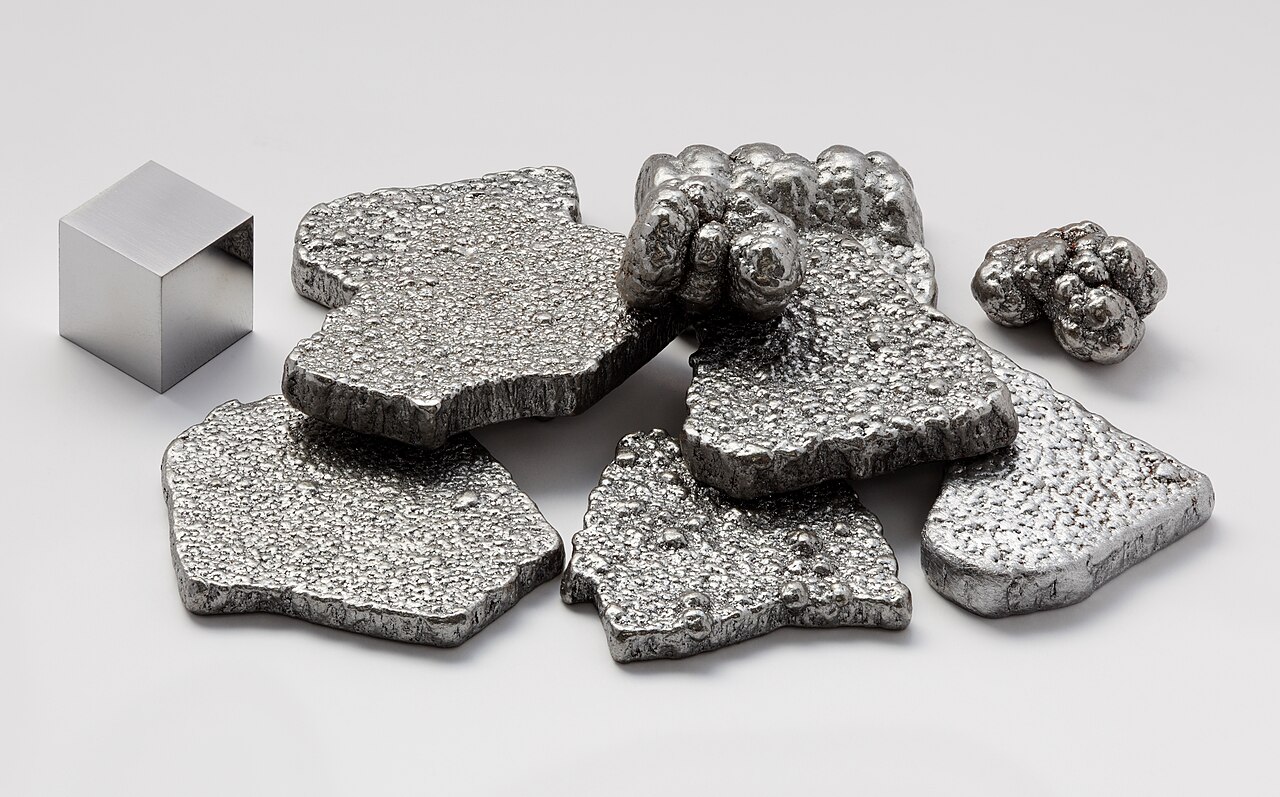
Professionals in this field may carry titles such as metallurgist, materials scientist or metallurgical engineer. Typical roles include research and development, process engineering, quality assurance and failure analysis. Many hold university degrees in metallurgy, materials science or engineering, and they often work for mining companies, manufacturers, research institutions or consulting engineering firms. Practical expertise spans working with pure metals, designing alloys, and solving field problems related to fatigue, fracture and corrosion.
Metallurgy remains essential to modern technology and infrastructure: by understanding how composition and processing affect microstructure and properties, metallurgists create safer, more efficient and longer-lasting metallic products used throughout society.
Related articles
Author
AlegsaOnline.com Metallurgy: science and engineering of metals and alloys Leandro Alegsa
URL: https://en.alegsaonline.com/art/64165